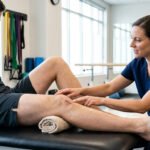
You want a workout routine that helps you train hard, stay healthy, and actually show up better for your sport. Not just “get sore” in the gym, then limp through practice.
This guide gives you a PT-style weekly plan you can repeat, adjust, and progress next week. You will get strength training, speed, agility, cardio, mobility, and core work, plus simple rules for recovery and muscle repair.
Who This Workout Program Is For
This workout program is built for an athlete who wants better athletic performance, not just a better mirror photo. It works for basketball, field sports, running-based sports, and general athleticism. If you are brand new to training, you can still use it. You will just start with fewer reps, lighter weight, and a smaller challenge.
How Many Days a Week Should Athletes Train
Most athletes do best with structure, not maximum volume. A weekly schedule often lands well at 4 to 6 days a week, depending on your sport schedule and your fitness level. Guidelines suggest ensuring 1 to 2 days of active recovery to maximize athletic performance. That is not “doing nothing.” It is planned rest with light movement.
What Is Happening in Your Body When You Train
Training is stress on purpose. Your muscle, tendon, and nervous system adapt when you recover well, not only when you grind. Muscle growth and strength gains happen when your body repairs the small training stress and comes back stronger. Sleep and protein matter because they support muscle repair.
The Athlete Mindset That Keeps You Progressing
Athletic training is about movements, not isolated muscle groups. You want functional movement that transfers to your sport, your reaction time, and your ability to control your body under fatigue. A calm plan beats a chaotic plan. You want a routine you can maintain, then build on.
Common Reasons Athlete Routines Fail
A lot of body workouts fail because they copy bodybuilding splits without a performance goal. Others fail because there is no progression, no mobility, and no real rest. The other common problem is trying to hit speed, endurance, strength, and power every day. Your body cannot focus if your plan has no focus.
A Quick Self-Check Before You Start
If you can do a smooth squat, a hip hinge, a lunge, and a push-up with control, you are ready to train. If one of those movements hurts, feels unstable, or looks “off,” adjust the plan and consider a PT assessment. If you are in Scottsdale, AZ and training year-round, heat, hydration, and recovery habits matter. Sports performance physical therapy in Scottsdale, AZ can help you match your training to your actual demands. Your plan needs to match real life, not just your motivation.
Standardized Warm-Up and Cool-Down Template
Warm-Up (8-10 minutes):
-
Light cardio (jump rope, brisk walking, or easy cycling) – 3 to 5 minutes
-
Dynamic mobility drills (hip circles, leg swings, arm circles) – 3 minutes
-
Movement prep (bodyweight squats, lunges, push-ups) – 2 to 3 minutes
Cool-Down (5-10 minutes):
-
Light aerobic activity (slow walking or cycling) – 3 to 5 minutes
-
Static stretching (hips, hamstrings, shoulders, lower back) – 3 to 5 minutes
-
Deep breathing and relaxation exercises – 1 to 2 minutes
Your PT-Approved Weekly Workouts Overview
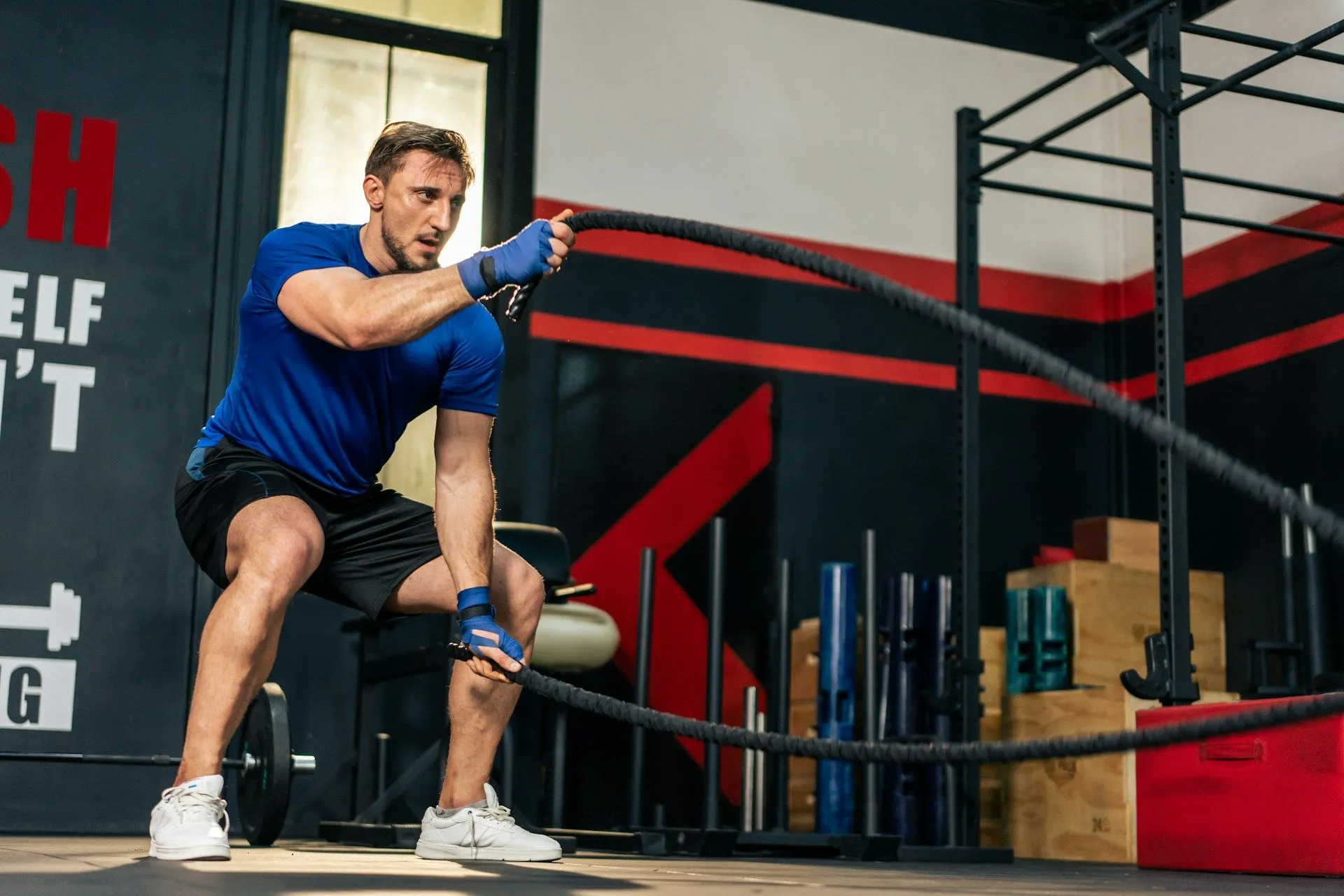
A comprehensive athlete workout routine requires a balanced approach to strength, endurance, and flexibility. Dedicated flexibility and mobility workouts for peak athletic performance help support that balance. A simple starting template is 2 to 3 days of compound resistance training for strength, 2 to 3 days of cardio for endurance, and 1 to 2 days of dedicated mobility and flexibility work.
That gives you weekly workouts that build muscle, improve endurance, and protect joints. It also keeps your program realistic.
Option A. 4-Day Workout Split
A 4-day workout split allows athletes to target major muscle groups while incorporating sport-specific training. It is a great fit if you have practices, games, or a busy work week.
You will still hit upper body, lower body, core strength, and conditioning. You just do it with better spacing.
Option B. 5-Day Workout Split
A 5-day workout split is typically used by more advanced athletes who require additional specialization. It can work well when you want more power work, more speed, or extra mobility without cramming everything into one session.
If you choose this option, your rest and sleep have to be non-negotiable. Otherwise your performance drops.
In-Season vs Off-Season Guidance
During the off-season, you can focus on building strength, mobility, and aerobic base with a bit more volume and intensity. This is the time to prioritize progressive overload and longer conditioning sessions.
In-season training should emphasize maintaining fitness while minimizing fatigue. Shift harder lower body workouts away from game days and prioritize recovery. Use lighter sessions or active recovery on days before competition. Adjust your schedule so that the most demanding workouts do not interfere with performance.
The 7-Day Weekly Training Plan
Below is the plan for the week. Think of it as a workout routine you can repeat, then progress with small increases in load, reps, or speed.
If your sport has games, move the hardest lower body exercises away from game day. Your plan should support your sport, not compete with it.
Day 1. Lower Body Strength and Explosive Power
Warm-up for 8 to 10 minutes including the standardized warm-up template above.
Main lifts (3 to 5 sets): squats, deadlift pattern, and one leg work like split squats. Add power cleans if you are trained to do them safely, because Olympic lifts and heavy compound lifts can build power when coached well.
Accessory (2 to 3 sets): lower body exercises for hamstrings and calves, plus ab exercises like hanging leg raises if your hips tolerate them. Finish with short carries for functional strength.
Day 2. Speed and Agility
Start with a warm-up routine that builds heat and range. Use marching drills, skips, and quick feet, then add a few short accelerations.
Agility and reactive speed are vital for success in various sports. Agility drills such as the 5-10-5 and T-Drill improve lateral quickness and deceleration.
Day 3. Upper Body Strength Plus Core Work
Train upper body with presses, rows, and vertical pulling if your shoulders tolerate it. Keep the goal functional strength that supports your sport.
Add core work that challenges stability and control. Think anti-rotation presses, side planks, and a controlled hanging leg raise variation if it feels good.
Day 4. Active Recovery and Mobility
Active recovery may include light exercise or foam rolling to promote blood flow. This can be a 20 to 40 minute walk, light cycling, or easy swimming.
Active recovery on off-days can involve low-intensity movement like yoga or light swimming. Keep it easy, focus on breathing, and leave feeling better than when you started.
Day 5. Full Body Workout and Conditioning
This day is about combining strength and stamina. Use a full body workout with compound lifts at moderate weight, then finish with conditioning.
Routine focus for conditioning may include interval training to potentially improve anaerobic capacity.
Endurance can be improved by using HIIT, which alternates between high-intensity efforts and recovery periods.
Day 6. Sport-Specific Work and Endurance Base
Your cardio can match your sport. Routine for cardiovascular training should include consistent long-distance running, cycling, or swimming if you are building a base.
If your sport is sprint-heavy, keep this day shorter and use tempo runs, bike intervals, or circuits. Elite athletes often tailor their conditioning to mimic the movements of their sports while aiming to reduce injury risk.
Day 7. Rest or Easy Movement
Take a true rest day if you are cooked. If you feel good, do 15 to 25 minutes of easy mobility and a short walk. Recovery is essential for athletes to maximize the benefits of their training sessions. This is where you lock in adaptation.
How to Progress This Plan Next Week
Applying progressive overload involves gradually increasing weight, intensity, or reps to ensure continued adaptation. You can add 2.5 to 5 pounds, add one rep per set, or add one extra set. The key is small steps that you can repeat, not huge jumps that risk injury.
What to Do If You Feel Beat Up
Do not panic and do not push through everything. Pull back volume, keep movement quality high, and lean into mobility and active recovery.
High-rep, lower-weight resistance training builds muscle endurance without excessive bulk. That approach can be useful during a deload week.
Strength Training Principles for Athletes
Athletic strength training focuses on functional movements rather than isolating individual muscles. You still train muscle groups, but you train them through movement patterns.
Strength training should focus on compound movements and explosive exercises to build power. That is how you improve athleticism, not just size.
Fast Twitch Muscle Fibers and Explosive Power
Activation of fast-twitch muscle fibers is thought to be important for athletes requiring explosive strength. This is why short sprints, jumps, and heavy lifts are commonly used for many sports.
Contrast training, which pairs a heavy strength exercise with an explosive movement, may help prime the nervous system. An example is heavy squats, then a few jump reps with full rest.
Conditioning That Actually Transfers
Effective athletic performance training often combines sport-specific drills, resistance training for power, and HIIT for conditioning. You do not need random workouts every day.
Incorporating interval training may increase lactate threshold, which can help hold pace longer before fatigue.
Speed and Agility Add-Ons You Can Rotate In
Use these as short “finishers” after warm-ups or on speed days. Keep quality high, stop before your form falls apart. Ladder runs can build both top-end speed and aerobic capacity in running endurance training. Keep them short and crisp, not sloppy.
Mobility and Stability Priorities
Incorporating mobility work for hips, shoulders, and lower back enhances range of motion and may help prevent injury. A mobility-focused approach to boosting athletic performance emphasizes that you do not need an hour. You need consistency.
A focus on multi-planar movement and core stability is essential in athlete training routines. Concepts like mobility vs. stability for golf performance show that means rotation, lateral movement, and single-leg stability, not only straight-line lifting.
Lower Body Stability for Runners and Field Athletes
Focusing on lower-body stability can improve running economy and may help prevent common overuse injuries. Stability training for injury prevention highlights how this includes glute strength, calf capacity, and hip control. Build stability with step-downs, single-leg RDL patterns, and lateral lunges. Control matters as much as weight.
At-Home Workouts for Athletes
At-home workouts can help athletes maintain fitness during off-seasons or lockdowns. They can also help you maintain overall fitness when you cannot get to the gym.
Athletes can perform a variety of exercises at home without specialized equipment, including bodyweight exercises and cardio drills. If you are coming back from a strain or sprain, sports injury physical therapy for fast healing can guide what is safe to do. Your body is still a training tool.
Simple Equipment That Helps
Athletes can use simple equipment like resistance bands or dumbbells to enhance their at-home workouts. A jump rope, a band, and one pair of dumbbells can cover a lot. Circuit workouts can be an effective way to structure at-home training for athletes. You can alternate legs, upper, and core to keep your heart rate up.
Sample At-Home Circuit
Do 3 to 5 rounds, rest as needed, and keep reps smooth. Use squats, push-ups, rows with a band, single-leg hinges, and plank variations. Core exercises are essential for athletes to improve stability and performance during at-home workouts. Add hanging leg raises only if you can control your pelvis and do not feel hip pinching.
Warm-Up Rules at Home
Incorporating a warm-up routine before workouts can help prevent injuries during at-home training. Your warm-up should include mobility, light cardio, and a few practice reps of the main movements.
Athletes should focus on functional movements that mimic the actions of their sport during at-home workouts. If you cut, jump, or sprint in your sport, your warm-up should prepare for that.
Staying Consistent When Training at Home
Maintaining a consistent workout schedule is important for athletes training at home. Choose the same days a week and treat it like practice. If you miss a day, do not “double up” with panic. Just train the next planned session and keep the week moving.
Signs You Should Adjust Load
These are common signals your body may not be tolerating the current training load. They do not always mean something is “wrong,” but they are useful feedback.
Watch for lingering joint pain, sharp pain with a specific movement, swelling, or a big drop in performance. Also watch for sleep disruption, unusual fatigue, or soreness that keeps getting worse.
Pain Rules Box
-
If pain is sharp or stabbing, stop the movement immediately.
-
Persistent or worsening pain over days is a sign to reduce load or seek professional advice.
-
Pain that changes your movement or causes instability should be evaluated.
-
Do not ignore numbness, progressive weakness, or new loss of bowel/bladder control — seek urgent care.
Red Flags: When to Seek Urgent Care
If you have chest pain, severe shortness of breath, fainting, or a sudden severe headache during workouts, seek urgent care. If you have a major injury with deformity, inability to bear weight, or uncontrolled swelling, get evaluated quickly. If you have numbness, progressive weakness, or new loss of bowel or bladder control, do not “wait it out.” Those are not normal training issues.
How Physical Therapy Helps Athletes Train Smarter
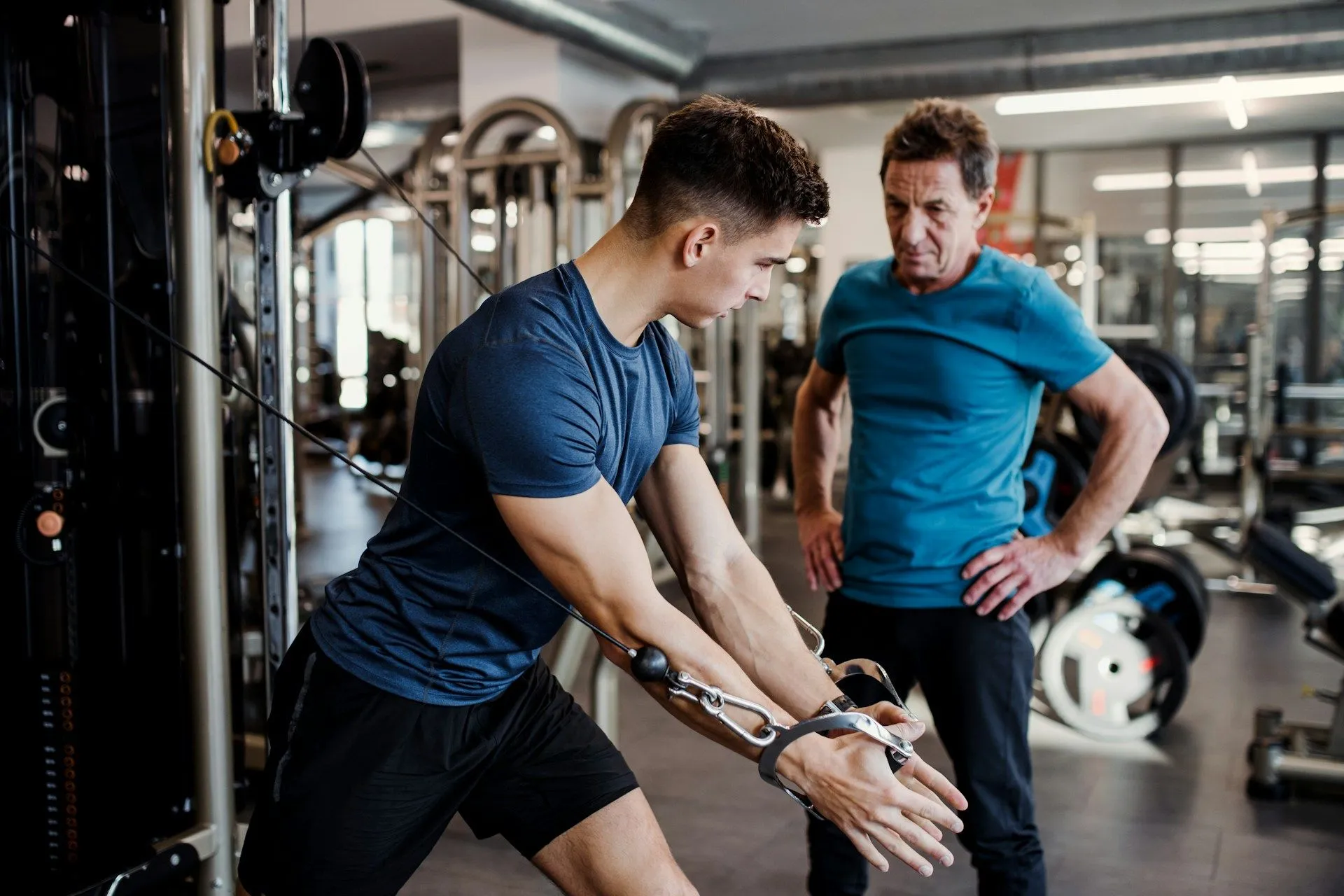
A PT visit is not just rehab. It can be performance support, especially when you keep getting the same pain or the same “tight” feeling. A PT assessment often looks at your movement patterns, mobility, strength, balance, and control. Then the plan matches your sport, your body, and your goals.
What a PT-Designed Plan Changes
You get progressions that match your fitness level. You get modifications that keep you training while protecting irritated tissue. You also get clarity on what to focus on first. Working with Dr. Tyler Sinda at Scottsdale Physical Therapy & Performance gives you that focus so you can achieve better performance without guessing.
Examples of Structured Athlete Programs You May See Online
Some athletes like following a ready-made workout program for accountability. Others prefer personalized physical therapy and performance training at Scottsdale Physical Therapy & Performance that adapts to their sport and injury history. One example you may come across is Athlete 25, described as a free 2-week athlete workout program that blends simple lifts with speed, power, balance, and mobility work.
Athlete 25 is described as including 10 unique workouts designed to build muscle used in everyday life, with modifications offered for all fitness levels. It is also described as including a downloadable workout tracker PDF and daily follow-along videos on YouTube to guide every rep.
Another Common Program Style
You may also see plans described as an “Ultimate All-Around Athlete Workout Program.” These programs are often described as aiming to improve power, endurance, mobility, and resistance to injury. They are often described as using a five-day-a-week workout plan with pre-hab routines, plus a mix of strength training, conditioning drills, and mobility work. Golfers, for example, may benefit from golf-specific PT and rehab programs that view the body as a collection of movements rather than isolated muscles.
What Elite Athlete Routines Teach Us
Elite athletes often have unique and tailored workout programs that reflect their specific sport and personal goals. The lesson is not to copy their volume, but to copy their structure. For example, some professional athletes train 5 to 6 days a week, combining weight training, skill work, and low-impact recovery sessions like cycling or yoga. The key takeaways are consistency, intentional work, and prioritizing recovery.
Recovery Basics That Protect Your Progress
Prioritizing 7 to 9 hours of sleep and high-quality protein supports recovery in athletes. If sleep is short, your coordination, reaction time, and muscle repair tend to suffer. Plan recovery like you plan workouts. Use rest, mobility, and active recovery so your body can actually adapt.
FAQ
Is a Full Body Workout Better Than Splits for Athletes?
A full body approach can work well, especially for busy athletes, because you hit key movements more often. Splits can also work if they match your sport schedule and you recover well. The best plan is the one you can maintain and progress. Consistency beats the “perfect” routine.
How Much Cardio Should I Do for Overall Fitness?
It depends on your sport and your goal, but 2 to 3 cardio sessions per week is a common starting point. Mix steady aerobic work with intervals if your sport demands repeated bursts. Maximal oxygen consumption (VO2max) and aerobic efficiency are often priorities in many athletic training plans. Build the base, then layer intensity.
Should Athletes Do Ab Exercises Every Day?
You can train your core frequently, but vary the load. Heavy core work every day can irritate hips and lower back in some athletes. Aim for 2 to 4 focused core sessions per week, then add light stability work inside warm-ups. Keep it about control, not just fatigue.
Are Power Cleans Necessary for Explosive Power?
No. Power cleans can be useful, but they are not required. Jumps, sprints, throws, and heavy lifts can also build explosive power. If you are going to do Olympic lifts, get coaching. Technique matters more than weight.
What If I Only Have Dumbbells at Home?
You can still build muscle and maintain performance. Use dumbbells for split squats, RDLs, presses, rows, and carries, then use circuits for conditioning. You can also add bands and a jump rope for speed and cardio. You do not need fancy equipment to train.
Brief Medical Disclaimer
This article is for general education and is not medical advice. Training tolerance varies, and pain can have many possible causes. If you have persistent pain, repeated flare-ups, or you are not sure what is safe, get evaluated by a qualified healthcare professional.
Ready for a PT-Built Plan That Matches Your Sport?
If you want a workout routine for athletes that fits your body, your sport, and your week, a performance-focused PT evaluation can help. We will assess movement, strength, mobility, and control, then build a clear program you can follow in the gym or at home.
Book an evaluation with Scottsdale Physical Therapy & Performance and we will map out your next phase of training, so you can progress with confidence.