Thoracic outlet syndrome (TOS) occurs when the space between your neck and upper chest compresses nerves, blood vessels, or both, leading to symptoms such as pain, tingling, weakness, or swelling in the upper body.
Effective management focuses on relieving this compression to restore normal function. Physical therapy is often the first line of treatment, aiming to reduce symptoms while improving posture and strength.
Understanding Thoracic Outlet Syndrome
TOS is a group of conditions caused by compression of neurovascular structures passing through the thoracic outlet the space between the neck and upper chest. Key structures affected include nerves from the brachial plexus and major blood vessels like the subclavian artery and vein. When compressed, symptoms arise from nerve irritation, blood vessel obstruction, or both.
The Three Main Types Of TOS
- Neurogenic Thoracic Outlet Syndrome (Neurogenic TOS): The most common form, often reported to account for the majority of cases, involving nerve compression.
- Vascular Thoracic Outlet Syndrome: Includes venous thoracic outlet syndrome (venous TOS) and arterial thoracic outlet syndrome (arterial TOS), where blood vessels are compressed.
- Non-Specific TOS: Symptoms resemble TOS but lack clear diagnostic findings, requiring careful differential diagnosis.
What Happens In Your Body
Neurogenic TOS involves irritation of the brachial plexus nerves, causing pain, tingling, and weakness often radiating down the arm. Vascular TOS affects the subclavian vein or artery, leading to signs like swelling, discoloration, or coldness in the hand. Related conditions such as pectoralis minor syndrome may mimic or overlap with TOS.
Causes And Risk Factors
TOS often results from multiple factors. Common contributors include poor posture and weak upper back muscles, which alter shoulder position and increase outlet pressure; repetitive overhead activities like swimming or baseball; anatomical variations such as cervical ribs; and past trauma or neck injuries causing stiffness, muscle guarding, or scar tissue.
Muscle and tissue issues can also increase pressure even in anatomically normal individuals. Overactive scalene muscles, elevated first ribs, limited cervical spine motion, depressed shoulders, and trapezius weakness can all contribute.
Traumatic Injuries And Anatomical Abnormalities
Traumatic injuries, including neck trauma or whiplash, can lead to inflammation, muscle spasm, and scar tissue formation, which may compress nerves or blood vessels in the thoracic outlet. Anatomical abnormalities such as cervical ribs, extra ribs, or abnormal first ribs can narrow the thoracic outlet space and predispose individuals to developing thoracic outlet syndrome. These anatomical factors may not cause symptoms until combined with other risk factors like repetitive motion or trauma.
Developing Thoracic Outlet Syndrome
Individuals engaged in repetitive overhead activities such as swimmers, baseball players, painters, hairstylists, mechanics, and even golfers are at higher risk of developing thoracic outlet syndrome, making golf-specific therapy and performance evaluation in Arizona valuable for those with swing-related symptoms. Poor posture, especially forward head and rounded shoulders, increases the risk by altering the alignment and increasing pressure on neurovascular structures. Weight gain can also contribute by increasing pressure on the thoracic outlet.
Symptoms And Differential Diagnosis

Thoracic Outlet Syndrome Symptoms
- Neurogenic TOS: Neck, shoulder, or upper arm pain; finger tingling; hand fatigue; grip weakness; symptoms worsening with overhead activity; possible hand muscle atrophy in chronic cases.
- Venous TOS: Swelling of the arm, hand, or fingers; heaviness; prominent veins; discomfort increasing with activity.
- Arterial TOS: Cold or pale hand; pain with overhead motions; arm fatigue; risk of embolic events.
Conditions That Can Look Like TOS
TOS symptoms overlap with other disorders such as cervical radiculopathy, peripheral nerve entrapments (carpal tunnel, cubital tunnel), shoulder blade pain and other shoulder or rib dysfunction, and neurological disorders. Proper diagnosis may require a multidisciplinary approach to differentiate between these conditions.
Vascular Safety Note
If vascular signs such as sudden arm swelling, severe discoloration, or signs of blood clots appear, immediate medical evaluation is essential before starting other treatments. Suspected vascular TOS requires medical clearance before initiating physical therapy to ensure safety.
Diagnosis And Evaluation
What Clinicians Look For: A Checklist
- Detailed medical history including symptom triggers and activity patterns
- Physical examination focusing on posture, shoulder mechanics, neurological screening (nerve mobility, upper limb tension test), and vascular screening (pulse, swelling, color changes)
- Imaging tests (chest X-ray, MRI) to identify anatomical abnormalities or rule out other conditions
- Electrodiagnostic studies if neurogenic TOS is suspected and symptoms persist
- Provocative tests such as the Adson maneuver, Roos test, and Spurling’s test to reproduce symptoms and aid diagnosis; however, these tests support the diagnosis but are not definitive on their own
Diagnosing Neurogenic TOS
Diagnosing neurogenic thoracic outlet syndrome can be challenging due to overlapping symptoms with other neurological disorders. Electrodiagnostic studies help detect nerve conduction abnormalities. Imaging may reveal anatomical causes such as cervical ribs or scalene muscle anomalies. A thorough physical exam combined with history and diagnostic tests is essential to diagnose thoracic outlet syndrome accurately.
Management And Treatment

At-Home Relief You Can Try Right Now
- Avoid prolonged overhead arm positions and repetitive reaching
- Take posture breaks every 30 to 45 minutes, especially if working at a desk
- Use gentle neck and scapular mobility exercises without pushing into pain
- Support breathing with slow nasal breaths and relaxed shoulders
- Apply heat or ice based on muscle guarding or irritation
- Use over-the-counter pain medications as advised, such as NSAIDs or pain medicine
- Stop Rules: If numbness, swelling, color changes, or severe pain spike, pause activities and seek medical evaluation promptly
Lifestyle Changes That Reduce Flare-Ups
- Modify activities to avoid sustained overhead positions and repetitive motions during flare-ups
- Adjust workstation ergonomics (keyboard, mouse, monitor)
- Manage weight to reduce pressure on neurovascular structures
- Use supportive devices such as ergonomic chairs or shoulder braces if recommended
How Physical Therapy Fits Into Thoracic Outlet Syndrome Management
Physical therapy is a cornerstone of conservative care, aiming to reduce compression by strengthening and coordinating muscles around the thoracic outlet, especially for active adults pursuing a broader health and wellness journey with Scottsdale Physical Therapy. Therapy focuses on education, pain control, range of motion, nerve gliding, strengthening, and stretching.
Physical Therapy Phase Progression And Expected Early Benefits
In the first 2 to 4 weeks of physical therapy, patients can typically expect:
- Reduction in pain and tingling symptoms
- Improved posture awareness and correction
- Increased neck and shoulder mobility
- Enhanced breathing mechanics reducing muscle tension
- Early improvements in scapular and upper back muscle activation
- Better nerve mobility leading to decreased nerve irritation
Physical Therapy Techniques
Physical therapy may include:
- Nerve gliding exercises to improve nerve mobility and reduce irritation
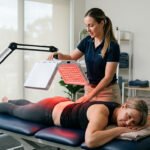
- Manual therapy such as soft tissue mobilization and myofascial release targeting tight scalene and pectoralis minor muscles
- Postural re-education to correct forward head posture and rounded shoulders
- Breathing exercises focusing on diaphragmatic breathing to reduce accessory muscle overuse and improve thoracic outlet space
- Strengthening and stretching exercises tailored to individual needs to support the shoulder girdle and upper back
What A PT Assessment Looks Like
Physical therapists combine history, movement assessment, and targeted tests to identify contributing factors. This includes evaluating posture, shoulder blade mechanics, cervical spine mobility, nerve mobility testing (e.g., upper limb tension test), and soft tissue assessment of scalene muscles, pectoralis minor muscle, trapezius, and first rib area.
When Conservative Care Is Not Enough
Surgical intervention may be recommended for patients with severe symptoms, structural damage, or vascular involvement unresponsive to conservative treatment, and understanding availability and cost of Scottsdale PT & Performance services can help patients plan their care if surgery or extended rehab is needed. A multidisciplinary approach involving vascular surgery, orthopaedic surgeons, physical medicine specialists, pain medicine experts, and rehabilitation professionals is often necessary.
Surgical Options For Thoracic Outlet Syndrome
Indications For Surgery
Surgery is considered when patients have debilitating symptoms, neurological deficits such as muscle wasting or weakness, vascular complications like blood clots, or when conservative treatments have failed to relieve symptoms. It is often recommended for those with true neurological signs or symptoms, including weakness or atrophy of the hand muscles, or when diagnostic studies such as nerve conduction velocity indicate significant nerve impairment. Additionally, surgery may be necessary in cases of vascular thoracic outlet syndrome where blood flow is compromised, or when blood clots have formed due to vein compression.
Surgical Overview For Patients
Common surgical treatments aim to relieve compression by removing or releasing anatomical structures causing pressure, such as parts of the first rib or scalene muscles. The choice of surgical approach depends on the type of TOS and individual anatomy. Surgery may also involve addressing blood clots or repairing damaged blood vessels in vascular cases. While surgery can offer definitive relief, it carries risks such as nerve injury, pneumothorax, infection, and scar tissue formation. Recovery may take several weeks to months, and postoperative physical therapy is important for restoring function and preventing complications.
Return-To-Activity And Prevention Tips
- Gradually increase overhead tolerance with proper form
- Strengthen upper back and rotator cuff muscles to support the shoulder girdle to reduce strain on the shoulder and lower the risk of rotator cuff injuries managed with physical therapy, using physical therapy exercises for strengthening weak shoulders to guide safe progression
- Maintain good posture throughout daily activities
- Break up prolonged sitting or repetitive tasks with movement breaks
- Perform daily rib and neck mobility exercises to maintain thoracic outlet space and consider a physical therapy check-up when symptoms persist or recur
- Avoid activities that cause symptoms to flare up
- Use ergonomic adjustments at work and home to prevent thoracic outlet syndrome
Frequently Asked Questions
How Do I Know If My Symptoms Are Neurogenic Or Vascular?
Neurogenic symptoms include tingling, burning, aching, or weakness that changes with posture and arm position. Vascular symptoms involve swelling, color changes, prominent veins, or coldness. Evaluation by a clinician with history, exam, and imaging helps differentiate.
What Exercises Help Most With Neurogenic Thoracic Outlet Syndrome?
A combination of posture support, scapular endurance, and gentle nerve mobility exercises works best. A physical therapist can tailor the program to avoid aggravating symptoms.
Can Posture Alone Fix Thoracic Outlet Syndrome?
Posture correction helps but is rarely sufficient alone. Strengthening, breathing mechanics, and gradual exposure to provocative positions are also important.
When Is Surgery Considered For TOS?
Surgery is considered for severe, persistent symptoms or structural compression not responsive to conservative care, and for vascular cases with vessel injury or clot risk. The surgical plan depends on TOS type and underlying cause.
What Should I Expect If I Start Physical Therapy For TOS?
Your first visit includes a detailed history, physical exam, and targeted tests to identify your TOS type and contributing factors. You’ll leave with a clear, personalized treatment plan including home exercises and lifestyle modifications.
Brief Medical Disclaimer
This article is for general education and is not a diagnosis. If you have severe symptoms, rapid swelling, color changes, or signs of reduced blood flow, seek urgent medical care.
Ready For A Clear Plan
If you want a calm, thorough assessment and step-by-step thoracic outlet syndrome management, our Scottsdale Physical Therapy and Performance team can help identify your specific drivers, rule in or out key patterns, and build a conservative program that fits your life. Your evaluation includes a detailed history, physical examination, and targeted tests. You will leave with a clear, personalized plan outlining next steps, including home exercises and lifestyle changes tailored to your needs. Book your evaluation today.