
- Home/
- Buy Clomid Online in the United States – Fast Delivery and Easy Ordering
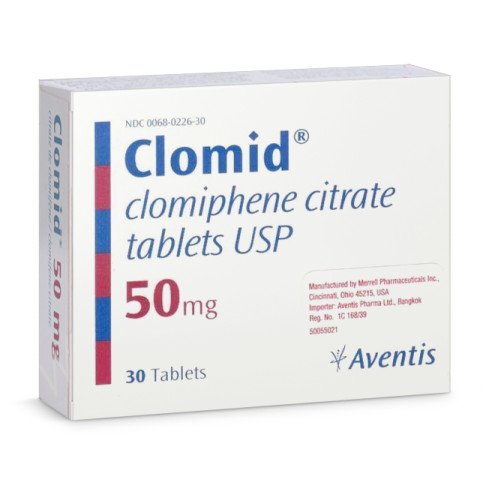
Clomid (Clomiphene) for Female Infertility: The Definitive United States Guide
Key Takeaways: Clomid at a Glance
| Parameter | Details |
|---|---|
| Active Ingredient | Clomiphene citrate |
| Indication | Ovulation induction in female infertility |
| Prescription Required in United States? | Yes – by law, only with a valid prescription |
| Typical Dose | 50 mg once daily for 5 days (variable by patient) |
| Onset of Effect | Ovulation typically within 5–10 days after last dose |
| Main Contraindication | Liver disease, abnormal vaginal bleeding, ovarian cyst (not PCOS-related) |
| Availability | In retail and online pharmacies across United States |
| Insurance Coverage | May be covered by some commercial plans; check with insurer |
Can I Buy Clomid Without Prescription in United States?
No, you cannot buy Clomid without prescription in United States. Clomid (clomiphene citrate) is classified as a prescription-only medication by the U.S. Food and Drug Administration (FDA). This means you must obtain a valid prescription from a licensed healthcare provider before you can purchase Clomid in a pharmacy or order Clomid online legally.
Websites offering Clomid without prescription are operating illegally and may put your health at risk (counterfeit products, incorrect dosing, or no professional medical assessment). For your safety, always consult a qualified doctor and use a licensed U.S. pharmacy when you wish to purchase Clomid.
How Does Clomid Work? (Mechanism Explained)
Clomid (clomiphene citrate) acts as a selective estrogen receptor modulator (SERM). In simple terms, it “tricks” your brain into thinking estrogen levels are lower than they are, which leads your pituitary gland to release more follicle-stimulating hormone (FSH) and luteinizing hormone (LH). This hormonal surge prompts your ovaries to mature and release eggs – triggering ovulation in women who aren’t ovulating regularly or at all.
In-depth: Clomiphene competitively binds to estrogen receptors in the hypothalamus, preventing natural estrogen from exerting its negative feedback. As a result, gonadotropin-releasing hormone (GnRH) secretion increases, stimulating FSH and LH release. The net effect is increased ovarian follicle development and, ideally, ovulation.
Simple Metaphor: Think of Clomid as lowering the “estrogen thermostat” in your brain, prompting your hormonal system to “turn up the heat” and stimulate egg release.
Key Point: Clomid only works if your ovaries can respond to hormonal stimulation. It is not effective for women with primary ovarian insufficiency or certain other types of infertility.
Recent Evidence: A 2023 meta-analysis (PubMed) found Clomid to be effective in inducing ovulation in about 80% of women with anovulatory infertility, with a live birth rate of 25–40% per cycle.
Who Should Consider Clomid for Infertility?
- Clomid may be appropriate if you:
-
- Have irregular or absent ovulation (anovulation), such as in polycystic ovary syndrome (PCOS)
- Have unexplained infertility as part of initial therapy
- Are undergoing timed intercourse or intrauterine insemination (IUI)
- Clomid is not recommended if you:
-
- Have ovarian failure (primary ovarian insufficiency)
- Have ovarian cysts not related to PCOS
- Have certain liver diseases
- Have unexplained abnormal vaginal bleeding
Your doctor will conduct a thorough evaluation, possibly including lab tests and ultrasound, before prescribing Clomid in United States.
Clomid Dosage, Schedule, and Administration
Standard starting dose: 50 mg by mouth once daily for 5 days, usually beginning on day 3, 4, or 5 of your menstrual cycle.
- If ovulation does not occur, the dose may be increased in subsequent cycles (up to 100–150 mg per day, but not exceeding 150 mg daily).
- Do not take more than prescribed. Higher doses do not necessarily improve pregnancy rates and increase side effect risks.
- Most practitioners recommend up to 6 cycles; prolonged use is generally discouraged due to diminishing returns and increased risk of ovarian cysts.
Peak Effect: Ovulation typically occurs 5–10 days after the last Clomid tablet. Monitoring with ovulation predictor kits or ultrasound is sometimes advised.
Splitting Tablets: Most Clomid tablets are scored and can be split, but always follow your doctor’s instructions. Crushing or breaking non-scored tablets may affect dosing accuracy.
Missed Dose: If you miss a dose, take it as soon as you remember. If it’s almost time for your next dose, skip the missed one. Do not double up.
Special Populations: Dose adjustments may be necessary in certain conditions. No clinical studies conclusively support Clomid use in women over 40 or in those with significant liver dysfunction.
Food, Alcohol, and Lifestyle: What to Know with Clomid
| Item | Can Be Combined? | Notes |
|---|---|---|
| Food | Yes | No clinically significant effect on absorption. Can be taken with or without food. |
| Alcohol | Caution | Alcohol is not contraindicated, but heavy use may increase side effects (dizziness, mood swings) and is discouraged. |
| Grapefruit Juice | Unclear | No clinical data on interaction, but best to avoid as grapefruit can affect metabolism of various medications. |
| Other Fertility Drugs | Sometimes | Clomid may be combined with other agents under medical supervision (e.g., gonadotropins) but only on specialist advice. |
Lifestyle: No restrictions on driving or operating machinery have been reported, but some women experience visual disturbances or dizziness. If you notice these effects, avoid such activities.
Clomid Contraindications and Warnings
Absolute Contraindications (Never Use):
- Pregnancy
- Liver disease or abnormal liver function tests
- Ovarian cysts not related to PCOS
- Unexplained abnormal uterine bleeding
- Known allergy to clomiphene or any component of Clomid
Relative Contraindications (Use with Caution):
- Polycystic ovary syndrome (PCOS): increased risk of ovarian hyperstimulation syndrome (OHSS)
- Visual disturbances during prior use
- Thyroid or adrenal dysfunction (must be corrected before therapy)
Why These Risks? Liver disease may impair drug metabolism, increasing toxicity. Abnormal bleeding could indicate cancer. Ovarian cysts can enlarge dangerously with Clomid. Allergic reactions (even rare) can be severe.
What Side Effects Are Most Common with Clomid?
Very Common (>1/10):
- Hot flashes
- Abdominal bloating or discomfort
Common (1/100–1/10):
- Mood swings, irritability
- Breast tenderness
- Nausea or vomiting
- Headache
- Visual disturbances (blurred vision, “floaters”)
Rare (1/10,000–1/1,000):
- Ovarian hyperstimulation syndrome (OHSS)
- Multiple pregnancies (twins or more, up to 10% risk)
- Reversible ovarian cyst formation
- Allergic skin reactions
Very Rare (<1/10,000):
- Visual symptoms persisting after discontinuation
- Deep vein thrombosis
- Liver injury
If you experience severe abdominal pain, vision changes, fainting, or shortness of breath, stop Clomid and contact your doctor or emergency services immediately.
Most side effects resolve after stopping Clomid. Regular monitoring and reporting symptoms help reduce risks.
Clomid vs Alternatives: How Does It Compare?
| Medication | Mechanism | Onset of Ovulation | Common Side Effects | Cost Range (per cycle, USD) |
|---|---|---|---|---|
| Clomid (Clomiphene) | SERM: increases FSH/LH | 5–10 days after last dose | Hot flashes, mood swings, ovarian cysts | $15–$125 (generic vs brand) |
| Letrozole (Femara) | Aromatase inhibitor: reduces estrogen synthesis | 5–10 days after last dose | Fatigue, dizziness, joint pain | $40–$180 |
| Gonadotropins (injections) | Direct FSH/LH stimulation | Variable (requires monitoring) | OHSS, injection site pain | $1,000–$5,000 |
Bottom line: Clomid is generally less expensive and easier to use than injectable therapies, with a solid history of effectiveness for ovulation induction. Letrozole may be preferred in some PCOS cases or when Clomid fails. Gonadotropins offer greater efficacy in select scenarios but at much higher cost and risk.
Clomid: Key Characteristics Table
| Formulation | Oral tablets, 50 mg (commonly) |
| Metabolism | Mainly hepatic (liver) |
| Elimination | Biliary and fecal, minimal renal excretion |
| Half-life (T1/2) | 5–7 days (prolonged presence in body) |
| Time to Peak Level | 5–7 hours |
| Pregnancy Category | X (contraindicated–do not use in pregnancy) |
Clinical note: Due to its long half-life, Clomid’s effects may last beyond the final dose; this is important for cycle timing and side effect management.
How to Buy Clomid Legally in United States (Step-by-Step)
- Consult a Qualified Specialist: Schedule an appointment with a reproductive endocrinologist or OB/GYN, either in person or via a HIPAA-compliant telemedicine platform.
- Undergo Medical Assessment: Your doctor will evaluate your infertility, rule out contraindications, possibly order labs/ultrasound, and determine if Clomid is appropriate.
- Receive a Prescription: If indicated, your physician will send an electronic or paper prescription to your preferred pharmacy.
- Purchase Clomid from a Licensed Pharmacy: Fill your prescription at a brick-and-mortar pharmacy or a licensed online pharmacy with a valid U.S. address and pharmacist on staff.
- Follow Usage Instructions: Take Clomid exactly as prescribed. Do not buy Clomid from websites that don’t require a prescription—risk of counterfeit or unsafe medicine is high.
Insurance note: Some U.S. insurance plans may cover Clomid. Check your specific policy and ask about generic clomiphene for lower out-of-pocket cost.
Clomid in Pharmacies and Online: What to Watch For
You can order Clomid through local pharmacies in major U.S. cities (e.g., CVS, Walgreens, Rite Aid) or purchase Clomid online from licensed digital pharmacies that meet FDA and state board of pharmacy regulations. All legal retailers will require a valid prescription, conduct identity and drug interaction checks, and provide pharmacist counseling.
Risks with Unregulated Sources: Buying Clomid without prescription or from “cheap” online sellers exposes you to:
- Counterfeit medications (wrong dose or no active ingredient)
- Products contaminated with harmful substances
- No recourse if side effects or adverse outcomes occur
- Legal penalties for importing prescription drugs without authorization
How to verify a pharmacy: Look for the VIPPS (Verified Internet Pharmacy Practice Sites) seal, state licensure information, and clear U.S. contact details.
In short: For your safety, always buy Clomid in pharmacy settings (in person or online) that comply with U.S. law. Never order Clomid from online sources advertising “Clomid without prescription”—it’s unsafe and illegal.
Generics, Counterfeits, and Quality Checks in United States
Original vs Generic Clomiphene
- Patent for branded Clomid expired; FDA-approved generics (clomiphene citrate) are widely available.
- Generics are required by the FDA to have the same active ingredient, strength, dosage form, and efficacy as the original.
- Some inactive ingredients (excipients) may vary—rarely relevant unless you have allergies to dyes or fillers.
How to Spot Counterfeits:
- Genuine U.S. Clomid or clomiphene packaging is professional, with NDC code, expiration date, and lot number.
- Tablets are usually white, round or oval, often scored, and marked with product code.
- U.S. packaging should include manufacturer’s name (e.g., Sanofi, Teva, or generics like Hikma, Amneal).
- Be wary of “Clomid cheap” offers from non-licensed sources or those lacking physical address verification.
Quality Assurance Checklist:
- Does the pharmacy require a prescription?
- Is packaging sealed and professional?
- Are QR codes, barcodes, or tamper-resistant features present?
- Does the pharmacy have a licensed pharmacist and valid U.S. address?
Tip: You save money safely by choosing FDA-approved generics—not risking your health with questionable, non-U.S. products.
Special Patient Populations and Clomid
Women Over 40: Clomid is less likely to be effective. Discuss alternatives with your doctor.
PCOS: More frequent monitoring is needed due to higher risk of ovarian overstimulation.
Liver disease: Clomid is contraindicated if you have abnormal liver function.
Renal impairment: No studies show increased harm, but always alert your doctor if you have kidney disease.
Driving/Machinery: Rare visual symptoms or dizziness may impair ability. Use caution.
Family Planning: Clomid may increase risk of twins or triplets (multiple pregnancy rate up to 10%).
What To Do in Case of Clomid Overdose
- Stop taking the medication immediately.
- Contact Poison Control (1-800-222-1222) or call 911 if you experience serious symptoms such as persistent vomiting, visual changes, or severe abdominal pain.
- Provide healthcare professionals with complete details: amount taken, timing, symptoms.
- Do not attempt to “flush out” with food, water, or other remedies unless directed by medical staff.
Bottom line: Clomid overdose is rare, but immediate professional help is vital to reduce health risks.
Clomid Myths vs. Realities (Quick Insights)
- Myth: Clomid guarantees pregnancy after the first cycle.
Reality: While ovulation rates are high, cumulative pregnancy rates per cycle are about 25–40% (PubMed 2023). - Myth: More Clomid equals better results.
Reality: Higher doses increase side effects and risks without significantly improving pregnancy rates. - Myth: You can use Clomid indefinitely.
Reality: Most guidelines recommend no more than 6 cycles due to risks of ovarian cysts and diminishing benefit. - Myth: Buying Clomid cheap online without prescription is safe.
Reality: This exposes you to unsafe, counterfeit, or ineffective products. Always order Clomid from a licensed U.S. pharmacy.
Frequently Asked Questions: Clomid in United States
- Is Clomid covered by insurance in United States?
- Some commercial insurance plans cover Clomid or generic clomiphene; coverage varies, so verify with your insurer.
- Can I buy Clomid without a prescription in United States?
- No. Federal law prohibits dispensing Clomid without prescription. Never trust sources that advertise otherwise.
- How quickly will Clomid work?
- Ovulation typically occurs 5–10 days after the last dose in women who respond, but pregnancy may require multiple cycles.
- What are the signs that Clomid is working?
- Signs of ovulation may include mid-cycle pelvic pain, changes in cervical mucus, or confirmation with ovulation predictor kits or bloodwork.
- Can I order Clomid online in United States?
- Yes, but only from licensed U.S. pharmacies that require a valid prescription and pharmacist review. Avoid websites offering Clomid without prescription.
- Is it safe to use Clomid if I have PCOS?
- Clomid is often used in PCOS, but you may need more careful monitoring due to higher risk of overstimulation. Discuss with your reproductive endocrinologist.
- How much does Clomid cost in pharmacy or online?
- Generic clomiphene can cost as little as $15–$40 per cycle; brand Clomid may be up to $125. Prices vary by pharmacy and insurance.
- What are the risks of buying Clomid cheap from non-U.S. websites?
- You risk receiving counterfeit, contaminated, or ineffective products, which can endanger your health and violate U.S. law.
- Can men use Clomid?
- Clomid is sometimes prescribed off-label for male infertility, but this requires specialist supervision and is not FDA-approved for men.
References
- Practice Committee of the American Society for Reproductive Medicine. “Use of clomiphene citrate in the treatment of ovulatory infertility.” Fertil Steril. 2023. Read
- FDA Drug Label for Clomiphene Citrate. Updated 2024. Read
- Legro RS, et al. “Ovulation induction in polycystic ovary syndrome: an update.” Endocrinol Metab Clin North Am. 2023. Read
- Verified Internet Pharmacy Practice Sites (VIPPS) Program. National Association of Boards of Pharmacy (NABP), 2026. Read
- Centers for Disease Control and Prevention (CDC). “Infertility FAQs.” Accessed June 2026. Read
Final Note: If you are considering Clomid, always consult a board-certified reproductive endocrinologist or OB/GYN in United States. Never attempt to buy Clomid without prescription. Your safety and success matter.