Answering Your Biggest Question: “Will Physical Therapy Actually Help My Injury?”
You rolled your ankle on a Camelback trail last Saturday. Or maybe you got rear-ended on the 101 three weeks ago and your neck still aches every time you check your blind spot. Perhaps your shoulder has been nagging since that ambitious round at Grayhawk, and now you can’t sleep on your side without waking up at 2 a.m.
Whatever brought you here, you’re probably wondering the same thing: Will physical therapy actually help?
The short answer is that physical therapy often helps your body heal after sprains, strains, tendon injuries, joint pain, and post-surgical recovery like ACL reconstruction or rotator cuff repair. It works because a skilled physical therapist can guide your body through the healing process with appropriate movement, at the right time, aiming to help you come back stronger than before. The benefits of physical therapy may include pain relief, improved mobility, strengthening muscles, and reducing the risk of future injuries, making it a comprehensive approach to recovery and long-term health.
At Scottsdale Physical Therapy & Performance, recovery plans are built around your specific injury and your specific life. A trail runner dealing with a stress fracture gets a different approach than a weekend golfer with elbow tendinopathy. A desk worker with chronic low back pain needs something different than a CrossFitter recovering from shoulder surgery. These personalized treatment plans are important for achieving better outcomes and preventing re-injury, as they address your unique needs and goals.
It’s important to note that physical therapy is usually safe to start once your acute symptoms have stabilized, but in some cases, such as suspected fractures, severe pain, or neurological symptoms, you should seek medical evaluation first before beginning therapy.
What you can expect from a well-designed PT plan:
- Potential reduction in pain and better pain management without relying solely on medications
- Gradual restoration of range of motion so you can move more comfortably
- Rebuilding strength in areas important for your sport and daily life
- Increasing confidence to return to normal activities, running, lifting, hiking, golf, without constantly worrying about re-injury
- A clear roadmap from day one so you have guidance on your recovery journey
- Support for recovery that balances safety and long-term health
- Physical therapy helps patients regain lost function, mobility, and confidence after injury, enabling a return to daily activities

Why Physical Therapy Is Important After an Injury
Here’s what can happen when you “just rest” an injury without proper rehabilitation: the pain may eventually fade, so you assume you’re healed. Then months later, you’re back to your usual activities, running, golfing, lifting, and something feels off. Your ankle gives out again. Your back locks up. Your shoulder aches in the same spot it did before.
This isn’t just bad luck, it often reflects incomplete recovery. Individuals who skip rehabilitation may experience slower recovery and have a higher risk of developing chronic pain or instability in the affected area.
Physical therapy is not just generic exercise handed out on a photocopied sheet. It’s a structured, step-by-step rehabilitation process that guides your body from the acute phase of injury through to full return to activity. Each phase serves a purpose: managing inflammation, restoring mobility, rebuilding strength, and ensuring you can handle the real-world demands of your life and sport. Common injuries we see at Scottsdale PT & Performance include:
- Rolled ankles from pickup basketball at local courts
- Low back strains from deadlifts or kettlebell work at Scottsdale gyms
- Whiplash and neck stiffness after car accident injuries on busy roads
- Knee pain from training for the Arizona Rock ‘n’ Roll Half Marathon
- Shoulder impingement and rotator cuff issues from swimming, tennis, or overhead lifting
- Golf-related wrist, elbow, and low back problems
We also frequently treat sports injury cases, where physical therapy plays a vital role in helping athletes and active individuals recover more effectively, restore function, and reduce the risk of future injuries. Why PT is important, not just “nice to have”:
- It can reduce the need for pain medication by addressing the source of pain, not just masking symptoms
- It may help patients avoid injections or surgery when conservative care is appropriate
- It prevents muscle weakness, joint stiffness, and scar tissue buildup that contribute to chronic pain
- It identifies and addresses root causes that made you vulnerable to injury in the first place
- It provides realistic timelines and clear milestones so you’re not guessing when you’ll feel normal again
When to Seek Medical Care Before Starting Physical Therapy
Before beginning physical therapy, it’s important to ensure your injury is properly evaluated, especially in cases of trauma or severe symptoms. Seek immediate medical attention if you experience:
- Suspected fractures or dislocations
- Severe, uncontrolled pain or swelling
- Numbness, tingling, weakness, or loss of function in any limb
- Loss of bowel or bladder control
- Persistent dizziness, headaches, or neurological symptoms after a head injury or accident
Your physical therapist will collaborate with your healthcare providers to ensure therapy begins safely and at the appropriate time based on your medical condition.
Understanding the Injury Healing Process
Your body has a built-in repair system that activates when tissue is damaged. This system works best when it receives the right signals. Too much rest can cause tissues to stiffen and weaken, while too much activity too soon can aggravate healing tissue before it’s ready.
The healing process follows a sequence: inflammation, repair, and remodeling, with each phase responding differently to movement and load. Physical therapy supports each phase with appropriate activity levels, enough to stimulate healing and prevent stiffness, but not so much that you risk setbacks.
Different tissues heal at different speeds. A mild muscle strain might improve in 4–6 weeks, a Grade II ligament sprain often takes 8–12 weeks to regain strength, and tendons may take months. Knowing these timelines helps set realistic expectations and prevents frustration from pushing too hard too soon.
How PT supports each healing stage:
- Acute phase (first days): Control swelling and pain, protect the injury, begin gentle motion to prevent stiffness
- Repair phase (1–6 weeks): Introduce targeted exercises to guide tissue repair and restore basic function
- Remodeling phase (weeks to months): Progressively load tissues, rebuild strength, and return to sport-specific demands
The Body’s Initial Response to Injury
In the first 48–72 hours after injury, your body initiates inflammation. Blood flow increases to bring cells that clean damaged tissue and start repair. You may notice swelling, warmth, redness, and pain. Surrounding muscles often tighten to protect the joint.
This response is normal and necessary. However, pushing too hard or complete immobilization can both cause problems.
A physical therapist helps find a balance during this phase. Controlled rest is important, but early gentle movement can keep joints from stiffening and muscles from shutting down. Early PT involvement may include:
- Using crutches or a brace appropriately while doing safe ankle pumps and circles for an ankle sprain
- Gentle neck range-of-motion exercises after a rear-end collision, even while symptoms persist
- Education on normal soreness versus warning signs needing medical attention
- Cold therapy and elevation to manage swelling without over-icing or dependency
- Guidance on safe daily movements to avoid aggravating the injury
The goal isn’t to eliminate all discomfort immediately but to set the stage for a smoother recovery by avoiding extremes of overdoing or doing nothing.
From Inflammation to Movement: The Repair Phase
Around days 4–7, your body shifts to repair mode. New collagen fibers patch damaged tissue but are weak and disorganized. They need gentle, controlled loading to align properly and gain strength.
Physical therapy supports this by providing low-intensity, purposeful exercises such as:
- Isometric quad sets and heel slides after a knee injury
- Light resistance band work for rotator cuff strains once acute pain settles
- Gentle spinal mobility drills for low back injuries
- Progressive weight-bearing for ankle sprains, monitored by symptoms
Pain guides progression, but complete rest here can delay healing and cause muscle atrophy and joint stiffness. Your therapist adjusts the program based on your response, not a rigid protocol.
Remodeling and Returning to Real Life
The remodeling phase lasts weeks to months. Tissue becomes stronger, and therapy shifts from mobility and strength to functional movement and sport-specific training. This phase prevents muscle atrophy by progressively loading tissues and rebuilding strength.
Early rehab may get you walking without pain. This phase prepares you to run, cut, jump, lift, or engage in daily life without fear. Remodeling-phase PT may include:
- Progressing from bodyweight to loaded squats, lunges, and single-leg work for knee injuries
- Running progressions for stress fractures or hamstring strains
- Rotational power and core stability drills for golfers recovering from low back pain
- Change-of-direction and agility drills after ACL reconstruction
- Functional lifting mechanics for parents or workers who need to carry, push, and pull without pain
Skipping this phase is a common cause of re-injury. Feeling better doesn’t always mean fully ready; gradual progression is key.
How Physical Therapy Manages Pain and Swelling Without Just “Masking” Symptoms
Many injury treatments focus on quickly eliminating pain, rest, ice, anti-inflammatories, or injections. While these can help, they don’t address underlying issues and only provide temporary relief.
Physical therapy aims to reduce pain while building your capacity to handle activity. The approach is to be calm but strong, not just comfortable.
At Scottsdale PT & Performance, pain management combines hands-on manual therapy, targeted exercises, and strategic use of modalities to promote healing rather than just symptom relief. Education on what sensations are normal and which require caution is also crucial.
Reducing fear around movement encourages consistency and progress.
Hands-On Techniques to Calm Irritated Tissues
Manual therapy is a core tool to reduce pain, restore function, and prepare tissues for exercise. Techniques include joint mobilizations, soft tissue manipulation, and targeted work to decrease muscle guarding and improve joint movement. These specifically target affected joints to improve stability, support recovery, and help prevent re-injury.
Examples include:
- Gentle cervical mobilizations after whiplash to restore neck rotation
- Ankle joint mobilizations after sprains to improve dorsiflexion
- Soft tissue work around the shoulder blade for impingement discomfort
- Thoracic spine mobilizations to improve overhead reach for athletes
Sessions are one-on-one with a Doctor of Physical Therapy, allowing personalized care and adjustments.
Manual therapy supports active rehab but isn’t a standalone fix.
Targeted Exercise to Decrease Pain Long-Term
Appropriate exercises can reduce pain signals by improving circulation, lubricating joints, and teaching the nervous system the injured area is safe.
Examples:
- Heel slides and quad sets after knee surgery to maintain activation and reduce stiffness
- Gentle spinal mobility drills for mechanical low back pain
- Scapular strengthening for shoulder impingement
- Controlled calf raises for Achilles tendon issues
Exercises are chosen based on individual response, not generic protocols. Home programs are realistic and manageable.
Safe Use of Modalities When They Help
Modalities like ice, heat, electrical stimulation (TENS), and ultrasound can support rehab but aren’t the main treatment.
Typical uses:
Modality | Use Case |
|---|---|
Ice/cold therapy | First week after ankle sprain to manage swelling and pain |
Heat | Before shoulder mobility work to relax muscles |
Electrical stimulation | Early after ACL reconstruction to help muscle activation |
Ultrasound | Occasionally for deep tissue injuries alongside active treatment |
Learn more about how physical therapy for a sprained ankle can support faster recovery and lasting results.
The goal is to reduce dependency on passive treatments as strength and mobility improve.
Restoring Mobility, Strength, and Confidence After an Injury
After injury, you may lose motion, strength, and control. These changes affect your whole body, potentially causing compensations and new problems.
Recovery focuses on three pillars, progressed logically:
- Mobility: Restoring full, pain-free range of motion
- Strength: Rebuilding muscle strength in injured and supporting areas
- Control: Retraining balance, coordination, and sport-specific movement patterns
Treatment is tailored to your lifestyle and goals.
Regaining Range of Motion
Limited mobility can make daily activities frustrating.
Restoring motion involves:
- Joint mobilizations to address tightness
- Stretching and soft tissue work for muscle restrictions
- Controlled mobility drills in clinic and at home
Goals focus on usable, pain-free motion that improves function.
Rebuilding Strength in the Right Areas
Muscle strength declines quickly after injury due to pain and inactivity.
Physical therapy starts with gentle strengthening and progresses based on goals.
Examples:
Injury/Condition | Key Muscle Groups | Exercises |
|---|---|---|
IT band pain in runners | Glutes, hip stabilizers | Clamshells, side-lying hip abduction, bridges are common exercises used in physical therapy for plantar fasciitis. |
Plantar fascia injury | Calf, foot intrinsics | Calf raises, towel scrunches, single-leg balance |
Tennis elbow | Forearm extensors, rotator cuff | Eccentric wrist extensions, band external rotation |
Low back strain | Core, glutes, hip flexors | Dead bugs, bird dogs, hip hinge patterns |
Restoring Balance, Coordination, and Sport-Specific Skills
Even after pain and strength return, the nervous system may need to relearn movement patterns.
Skipping this phase increases re-injury risk.
Examples:
- Balance drills after ankle sprain: single-leg stance, wobble board
- Change-of-direction drills after ACL reconstruction
- Rotational power work for golfers
- Running gait analysis for stress injury recovery
Gradual progression with clear return-to-sport plans is essential.
Physical therapy continues until you regain confidence in real-life movements.
Preventing Re-Injury and Future Problems
Many patients experience repeat injuries because their initial recovery was incomplete.
Common root causes include: improper rehabilitation or lack of recommended physical therapy exercises after knee surgery.
- Weak hip stabilizers causing knee pain
- Limited ankle dorsiflexion causing compensations
- Poor lifting technique leading to back strains
- Posture issues creating shoulder and neck vulnerability
- Rapid training volume increases before tissue readiness
Effective injury prevention physical therapy addresses these issues so you can continue your activities without repeated setbacks.
Identifying Root Causes
Movement assessments look beyond the painful area, including:
- Single-leg squat tests for hip and knee control
- Gait and running analysis for recurring lower-body problems
- Shoulder and spine mobility screens for overhead athletes and desk workers
- Functional strength testing to uncover asymmetries
Addressing these factors helps prevent symptom recurrence.
Education, Ergonomics, and Daily Habits
Injury prevention extends beyond the clinic.
Therapists provide individualized guidance on:
- Optimizing workstations to reduce strain
- Safe lifting techniques
- Gradual training progressions
- Activity pacing strategies
This education empowers you to maintain long-term health.
Maintenance and Performance Check-Ins
For those with recurring injuries or training goals, periodic check-ins can prevent issues.
Examples include:
- Pre-race screenings for runners
- Movement assessments before tournaments for golfers
- Mobility work before new strength cycles for lifters
- Tune-ups for those with multiple injury episodes
These visits refine your program and address minor issues early.
Preventing Improper Technique and Overcoming Challenges During Recovery
Proper technique is essential for safe rehabilitation and successful recovery. Physical therapists teach proper body mechanics and movement patterns to protect healing tissues, prevent soft tissue damage, and avoid scar tissue formation that limits motion. Attending physical therapy sessions ensures personalized feedback, helping you build strength, improve mobility, and reduce the risk of re-injury.
Improper technique can slow progress and cause new problems, so trusting your therapist’s guidance throughout recovery is crucial.
Recovery can be challenging due to pain, limited mobility, and emotional stress. With the right support and comprehensive physical therapy, you can overcome obstacles and achieve your recovery goals. Therapists develop individualized plans addressing your unique challenges with manual therapy techniques, strengthening exercises, and therapeutic exercises.
These strategies help manage pain, reduce muscle stiffness, and improve movement, enabling a return to normal activities and an active lifestyle. Physical therapy also emphasizes injury prevention to support long-term health.
Starting therapy early and committing to your personalized plan can lead to faster recovery, improved mobility, and reduced re-injury risk. With expert support, you can confidently overcome setbacks and enjoy a healthier future.
What to Expect at Scottsdale Physical Therapy & Performance
At Scottsdale PT & Performance, you receive one-on-one care with a Doctor of Physical Therapy. No double-booking or rushed sessions. Your plan is built around your injury, goals, and life.
You can schedule directly, often within days, without long waits for referrals or imaging.
We serve Scottsdale, Phoenix, Tempe, and surrounding areas, treating a range of orthopedic and sports injuries.
Your First Visit: Assessment and Immediate Plan
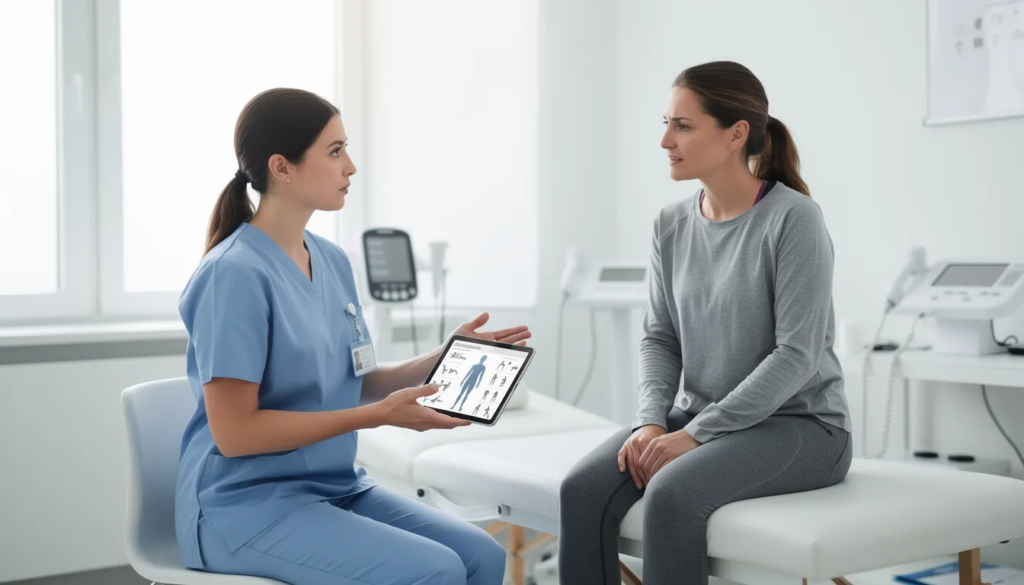
Your initial session lasts about 60 minutes and includes:
- Detailed history: injury details, symptom triggers, activity level, past injuries, goals
- Movement assessment: walking, squatting, reaching relevant to your injury
- Strength and mobility testing: range of motion, muscle strength, joint stability
- Physical examination: hands-on assessment including ligament tests and special maneuvers
You leave with an initial treatment, a clear diagnosis or working hypothesis, and 3–5 tailored home exercises.
Examples:
- Testing ankle ligaments after a trail-running sprain
- Assessing shoulder range of motion and rotator cuff strength for athletes
- Evaluating spine mobility and hip strength for recurring low back pain
You have time for questions and clarity.
Ongoing Sessions and Progress Tracking
Follow-ups combine hands-on care, exercise progression, and education.
Frequency is typically 1–2 times per week initially, tapering as you improve.
Progress is tracked using:
Metric | Tracking Method |
|---|---|
Pain levels | 0–10 scale at each visit |
Range of motion | Goniometer measurements |
Strength | Manual muscle testing or dynamometer readings |
Functional tests | Squat depth, plank holds, single-leg balance, hop tests |
Plans adjust based on progress, life demands, and upcoming events.
How Long Will It Take to Feel Better?
Timelines vary by injury:
Injury Type | Typical Improvement Timeline |
|---|---|
Mild ankle sprain | 2–4 weeks |
Moderate muscle strain | 4–8 weeks |
Grade II ligament injury | 8–12+ weeks |
Post-op ACL reconstruction | 6–9+ months to return to sport |
Chronic tendinopathy | 3–6+ months (may be stubborn) |
Factors like health, job demands, sleep, and stress influence healing. Your evaluation includes a personalized timeline with short- and long-term goals. If recovery is expected to be longer, you’ll get a clear step-by-step plan.
Ready to Start? How to Take the Next Step in Your Recovery
If your injury has lingered more than 1–2 weeks, or just happened and you want to get ahead of it, don’t wait for it to resolve on its own. The longer you wait, the more stiffness, weakness, and compensations develop.
Getting started with Scottsdale Physical Therapy & Performance is simple:
- Call the clinic directly to schedule
- Request an appointment online
- Send an email inquiry if you have questions
Whether you rolled your ankle last weekend or have chronic shoulder pain, there’s a clear path forward. The team will help you understand insurance options, out-of-pocket costs, and what your first visit includes.
You’ve got runs to finish, rounds to play, hikes to complete, and a life that doesn’t wait for pain to sort itself out. Schedule an evaluation this week, and let’s build a plan to get you back to doing what you love, with confidence.