You’ve been showing up. You’re lifting the same dumbbells, doing the same sets and reps, and putting in real effort week after week. But the number on the bar hasn’t moved in months, and your strength feels stuck in place. That’s usually a sign your body has adapted to the workload you’re giving it, and without a real progressive overload workout plan, it has no reason to change any further.
This isn’t a motivation problem. It’s a programming problem. Your muscles only grow and get stronger when you consistently ask them to do a little more than they’re used to, and “more workouts” isn’t the same thing as “more overload.” Once you understand how to apply progressive overload correctly, and how to build it into an actual plan instead of guessing week to week, the plateau starts to break.
We see this constantly with clients here in Scottsdale, people putting in consistent gym time but never actually changing the number on the bar. You don’t need to train harder in a way that beats up your joints. You need a structured way to increase the demand on your muscles safely, track it, and adjust it as your body adapts.
What Is a Progressive Overload Workout Plan?
A progressive overload workout plan is a structured approach to strength training where you gradually and deliberately increase the demand placed on your muscles over time, rather than repeating the same weights, reps, and sets indefinitely. It’s the training principle behind every strength program that actually produces results, whether you’re after muscle growth, general strength, or simply feeling stronger in everyday life. Strength is only one piece of a bigger picture, and it’s worth understanding how it fits alongside the other core components of fitness like mobility and cardiovascular health.
The Three Drivers of Muscle and Strength Adaptation
Your body adapts to resistance training through three main mechanisms working together. Mechanical tension is the force your muscles experience when you move a challenging load through a full range of motion, and current research points to it as the primary driver of muscle growth. Muscle damage refers to the small amount of stress and microscopic breakdown that happens in muscle fibers during a hard set, which your body repairs and rebuilds slightly stronger than before.
Metabolic stress is the third piece, and it’s the burning, fatigued feeling you get from pushing a muscle group close to failure. Research has linked muscle damage and repair to muscle protein synthesis, the biological process your body uses to rebuild and add new muscle tissue after training. Progressive overload works because it keeps generating enough of these stimuli to justify further adaptation, instead of letting the body settle into a comfortable baseline.
Why Repeating the Same Workout Stalls Your Results
If you’re lifting the same weight for the same reps and sets every single session, your body eventually stops treating that workout as a challenge. It’s already built the strength and muscle it needs to handle that specific stress, so there’s no biological reason for it to keep changing. That’s the plateau most people run into a few months after starting a new routine.
Progressive overload prevents that plateau by continually increasing the training demand just enough to keep forcing adaptation. It doesn’t mean every single session has to be harder than the last. It means the overall trend, across weeks and months, needs to point upward, whether that’s through heavier weight, more reps, more sets, or a handful of other methods.
Methods for Applying Progressive Overload Safely
There’s more than one way to progressively overload a muscle group, and weight is only the most obvious one. Understanding the full toolbox matters because relying on a single method, especially adding weight every week, is one of the fastest ways to stall out or get hurt.
Increase the Weight Gradually
Adding load is the most direct form of progressive overload, and it’s the first one most people think of. The key word is gradually. A good target is increasing weight by roughly 2 to 5 percent once you can complete your current sets and reps with good form, which for most exercises means small, consistent jumps rather than big leaps that compromise your technique.
Jumping too much too soon puts unnecessary stress on joints and tendons before they’re ready for it, which raises injury risk without adding much benefit. If your last few reps at a given weight start to feel noticeably easier and your form stays clean through the entire set, that’s usually the signal it’s time to add a small amount of weight rather than a reason to guess.
This method works best on compound lifts where load is easy to measure and adjust, like squats, presses, and rows. It works less well for smaller isolation movements, where the jump between available weights is often too large to apply gradually, so the other methods below become more useful there instead.
Add Reps Before You Add Weight
A common and effective strategy is the double progression method, which means increasing reps within a target range before adding weight at all. If your program calls for 8 to 12 reps and you can currently only manage 8, the first goal isn’t more weight. It’s working up to 12 reps with the same weight and good form across all your sets.
Once you consistently hit the top of that rep range, that’s your cue to add weight and drop back down toward the bottom of the range to start the process again. This approach reduces how often you’re adding load outright, which keeps your joints and connective tissue from being rushed while still building real strength and muscle size over time.
Double progression is also a useful reset point if a plateau has already set in. Dropping back slightly on weight and focusing on climbing the rep range again gives your body a fresh, achievable target instead of pushing against a number that’s stopped moving for weeks.
Add an Extra Set
Increasing your total training volume, meaning the total number of hard sets you perform for a muscle group, is another legitimate way to progress without touching the weight on the bar at all. Moving from three sets of an exercise to four is a straightforward way to increase the workload your muscles have to recover from and adapt to.
This method works especially well when you’ve hit a wall on weight or reps but still have recovery capacity left. It’s also useful for people managing an old injury, since adding a set puts less acute stress on a joint than jumping straight to a heavier weight. The tradeoff is that more sets mean more total time in the gym and more fatigue to manage, so this method works best layered in gradually rather than all at once.
Shorten Your Rest Time
Decreasing rest time between sets is a way to increase workout intensity without changing the weight, reps, or sets at all. Shorter rest periods keep your heart rate up and don’t let your muscles fully recover between efforts, which increases metabolic stress, one of the three drivers behind muscle growth.
A simple way to apply this is shortening rest by 10 to 15 seconds at a time, watching how your performance holds up before cutting further. This method has real limits, though. Heavy compound lifts like squats and deadlifts still need enough rest to recover the nervous system, so this is generally a better tool for accessory or isolation work than for your heaviest lifts of the day.
Slow Down Your Tempo
Slowing the lowering phase of a lift, sometimes called the eccentric portion, increases how long your muscles stay under tension during each rep. A three to four second controlled descent on a squat, row, or press makes the same weight feel noticeably more challenging without adding a single pound.
This is a particularly useful method when joints need a break from constantly increasing load, since it emphasizes control and muscle tension over raw weight. It also tends to improve technique, since moving slowly makes it much harder to rely on momentum or sloppy form to move the weight.
Expand Your Range of Motion
Moving through a fuller range of motion recruits more muscle fibers and stretches the muscle further under load, both of which contribute to strength and muscle size gains. Squatting to proper depth instead of a partial range, or fully extending on a row instead of stopping halfway, is its own form of progressive overload even at the exact same weight.
This method also exposes weaknesses that partial range training can hide, particularly around mobility and stability. Improving range of motion gradually, rather than forcing depth your body isn’t ready for, is generally the safer path and pairs well with a personal trainer who can spot where your mobility is actually limiting you.
Train the Same Muscle Group More Often
Training each muscle group two to three times per week tends to produce better strength and muscle growth than hitting it once a week with the same total volume, since more frequent, moderate sessions keep the training stimulus more consistent. This is particularly useful once you’ve been training a while and adding weight or reps in a single session is producing diminishing returns.
Increasing frequency works especially well for people who’ve plateaued on load alone, since it spreads the same total workload across more sessions instead of asking for one brutal session to do all the work. It does require more overall planning to avoid overtraining a muscle group without enough recovery in between. If you’re structuring a full training week around a specific sport, our guide to building a workout routine for athletes covers how to spread frequency across muscle groups without overloading any one of them.
Improve Your Form and Control
Simply moving with better control and a stronger mind-muscle connection is an underrated way to increase the actual demand on a target muscle without touching the weight. Poor form often shifts the workload to the wrong muscles entirely, which means you can be lifting heavy without actually overloading the muscle you’re trying to train.
Maintaining good form through the full range of motion, especially on the last few reps of a set when fatigue sets in, ensures the stress is actually landing where it should. This is one of the reasons a coached eye matters. It’s very easy to compensate with momentum or other muscle groups without realizing it, especially as reps get harder.
Building a Progressive Overload Workout Plan Step by Step
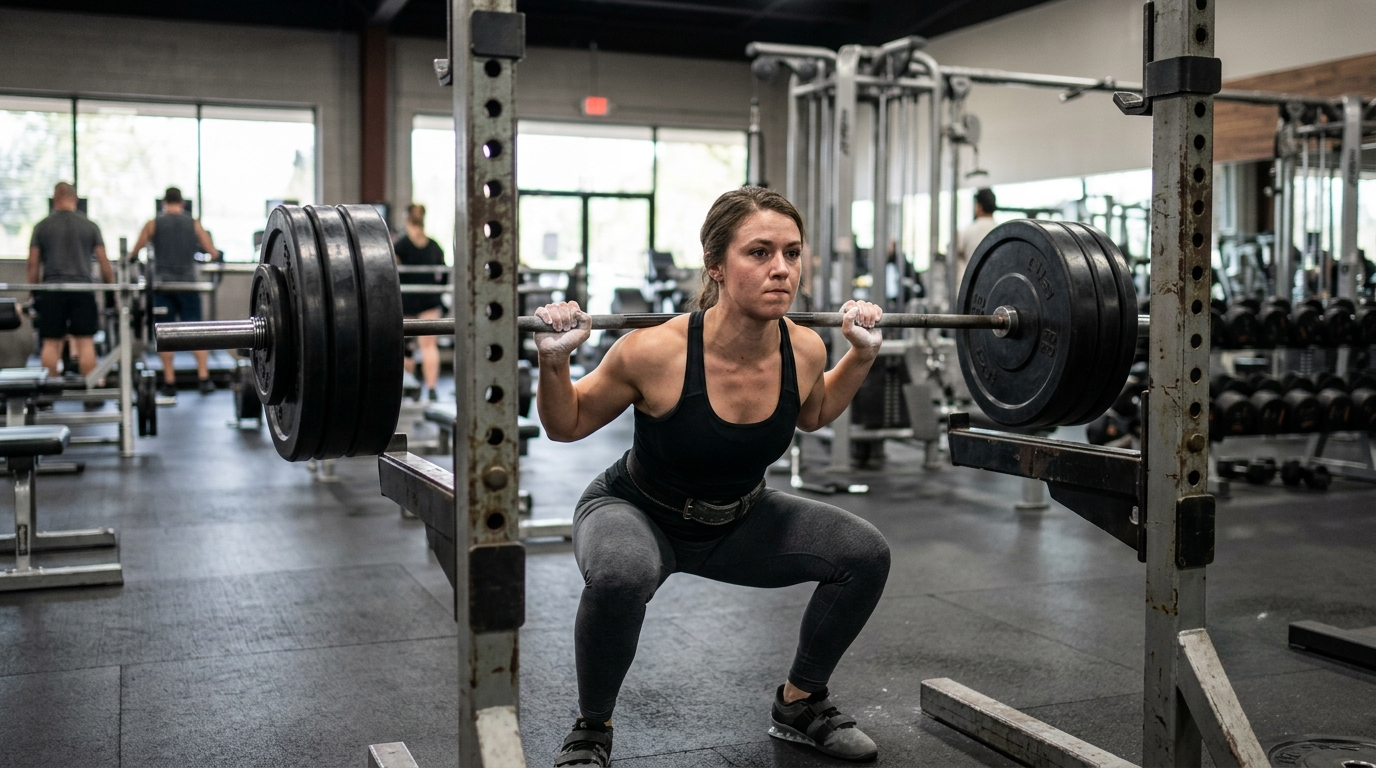
Knowing the methods is only half the job. Most people stall out trying to turn them into an actual plan, which is why guessing week to week is so common.
Start With a Baseline
Before you can progress anything, you need to know where you’re starting. Pick a handful of core exercises, whether that’s squats, presses, rows, or bodyweight movements like push ups, and record the weight, reps, and sets you can currently complete with good form. This baseline becomes the reference point for every future adjustment.
Skipping this step is one of the most common reasons people end up either stagnant or injured. Without a clear starting point, it’s nearly impossible to know whether a jump in weight is a smart, gradual progression or a reckless one.
Pick One Variable to Progress at a Time
Gradually adjusting one training variable at a time, whether that’s weight, reps, sets, or rest, reduces injury risk and makes it far easier to tell what’s actually working. Changing your weight, reps, and rest periods all in the same week makes it nearly impossible to know which change helped and which one just added unnecessary fatigue.
Pick one lever to focus on for a given block of training, whether that’s a few weeks or a full training cycle, and let the others hold steady. Once that variable stops producing easy progress, move to the next one.
Set a Realistic Weekly or Biweekly Target
Small, consistent targets beat big, occasional jumps. Aiming to add one to two reps per set when the current weight starts to feel manageable, or increasing load by roughly 2 to 5 percent every one to two weeks, keeps the stimulus strong without outpacing what your joints and nervous system can actually recover from.
Progress doesn’t need to happen in every single session to count as progressive overload. What matters is the overall trend across a training block, not whether this Tuesday was harder than last Tuesday.
Track Every Session
Tracking workouts is what separates progressive overload in theory from progressive overload in practice. Logging every set, rep, and weight used turns guesswork into an actual strategy, and it’s the only reliable way to know whether you’re truly increasing training volume over time or just repeating the same numbers under the illusion of effort.
A simple workout tracker, whether that’s a notebook or an app, also helps identify exactly when it’s time to increase intensity and when a plateau is forming before it becomes a real problem. Without that record, most people either underestimate how long they’ve been stuck at the same weight or overestimate how much they’ve actually progressed.
Tracking doesn’t need to be complicated to be useful. Even a basic log of weight, reps, and sets for your main lifts is enough to spot trends over a few weeks, which is far more valuable than trying to remember what you lifted last time and trusting that memory to guide your next session.
Plan Deload Weeks Every 10 to 12 Weeks
Deload weeks, where you intentionally reduce training volume or intensity for a short stretch, help reset accumulated fatigue and prevent overtraining before it turns into a nagging injury or a full-blown setback. Building a deload into the plan every 10 to 12 weeks, rather than only taking one once something already hurts, keeps progress more consistent over the long run.
This is often the hardest step for motivated people to accept, since backing off can feel like losing ground. In practice, a planned deload almost always leads to a stronger comeback than pushing through accumulated fatigue until the body forces a break anyway.
Common Mistakes That Stall Progressive Overload
Even with the right methods available, a handful of common mistakes are responsible for most stalled progress and most avoidable injuries.
Increasing Weight Too Fast
Jumping from a comfortable weight to a significantly heavier one before your form and joints are ready is one of the most common ways people derail their own progress. Large jumps might feel productive in the moment, but they tend to break down technique and increase injury risk far more than they add real strength.
The fix is simple in concept, even if it takes discipline in practice: keep weight increases small and gradual, and let your reps and form guide the timing rather than impatience.
Staying at the Same Weight and Reps Out of Habit
On the opposite end, some people never push past a weight that’s become comfortable, even once it stops feeling genuinely challenging. If the last few reps of your working sets no longer feel hard, that’s usually a sign your body has adapted and it’s time to progress something, whether that’s weight, reps, or another variable entirely.
Comfort is a reasonable place to build consistency, but it’s not where strength and muscle growth actually happen.
Skipping Rest Days
Muscles don’t grow during the workout itself. They grow during the recovery that follows it, which makes rest days just as important to a progressive overload workout plan as the training sessions are. Skipping recovery consistently leads to accumulated fatigue, and eventually to burnout or overuse injuries that erase months of progress.
Adequate sleep and consistent protein intake matter here too, since recovery isn’t just about what happens between sets in the gym.
A useful rule of thumb is leaving at least 48 hours before training the same muscle group again with real intensity. That window gives muscle fibers enough time to actually repair and rebuild before being asked to handle the next hard session.
Not Tracking Workouts
Without tracking, it’s nearly impossible to know whether you’re actually applying progressive overload or just repeating the same session on a loop. Tracking is what lets you diagnose a plateau early, instead of realizing three months later that your numbers haven’t moved at all.
This mistake is especially common with people who train consistently and assume that showing up is the same thing as progressing. It isn’t, and the gap between the two only becomes visible once you’re writing the numbers down.
The fix doesn’t require an elaborate system. A simple notes app entry after each session, listing weight, reps, and how the last few reps felt, is enough to start noticing patterns within a month.
Changing Too Many Variables at Once
Increasing weight, reps, and sets all in the same session might feel efficient, but it makes it nearly impossible to tell what’s actually driving progress and what’s just adding unmanaged fatigue. It also significantly raises the odds of a form breakdown, since the body is being asked to adapt to too much new demand at once.
Sticking to one clear progression at a time keeps the plan easier to evaluate and considerably safer to execute.
Letting Form Break Down for Heavier Loads
Chasing a heavier number on the bar at the expense of proper form doesn’t actually create more useful overload. It usually just shifts the stress onto the wrong muscles, joints, or connective tissue, which raises injury risk without the muscle growth benefit you were after in the first place.
Maintaining good form through a full range of motion, even if that means using a slightly lighter weight than your ego wants, is what makes the training stimulus land where it’s supposed to.
How Personal Training Turns Progressive Overload Into a Plan Instead of Guessing
The methods above are a real head start. Turning them into a personalized plan that adjusts as your body changes is a different skill entirely, and it’s where a lot of well-intentioned home programs fall apart.
A Coach Sets the Right Starting Point
A trained eye can assess your actual baseline, not just the weight you think you should be lifting, by watching your form, mobility, and movement patterns before assigning starting numbers. That starting point matters enormously, since a plan built on an inaccurate baseline tends to either stall quickly or push too hard too soon.
This matters even more for anyone coming back from time off, an old injury, or a completely new training background, where guessing at a starting weight is more likely to lead to frustration than progress.
It also removes the guesswork around which method to use first. Some clients respond better to adding reps before weight, while others progress faster by tightening up form and range of motion, and a coach can tell the difference far faster than trial and error on your own.
A Coach Knows When to Push and When to Pull Back
Progressive overload isn’t a straight line, and knowing when your body is genuinely ready for more versus when fatigue is masking a real need to back off takes more than just following a spreadsheet. A coach reading your form, your reported effort, and your recovery across sessions can catch that distinction long before it becomes a setback.
This kind of real-time adjustment is difficult to replicate from a generic online program, since it depends on watching how you’re actually responding, not just what the plan says should happen next.
A Coach Adjusts the Plan as Your Body Changes
Your capacity to recover and progress isn’t static. Life stress, sleep, and even the demands of a specific sport or activity all shift how much overload your body can handle in a given week. A structured personal training plan adjusts to that reality instead of forcing you to hit the same numbers regardless of how you’re actually doing.
That flexibility, paired with consistent tracking, is what turns progressive overload from a concept into a sustainable, personalized plan rather than a generic template applied to everyone the same way.
How Scottsdale Physical Therapy & Performance Approaches Progressive Overload

Personal Training Built Around Your Movement History
At Scottsdale Physical Therapy & Performance, personal training starts with an honest look at how you actually move, not just a generic starting weight pulled from a template. That means accounting for old injuries, current mobility limitations, and the specific sport or activity you’re training for, whether that’s golf, running, or general strength for everyday life.
From there, the plan applies the same progressive overload principles covered above, weight, reps, sets, tempo, and frequency, but sequenced around what your body is actually ready to handle rather than a one-size-fits-all schedule.
This matters for active adults juggling a full schedule just as much as it does for competitive athletes, since the goal is a plan that fits into real life and still produces consistent, measurable progress rather than one that only works in ideal conditions.
Working With Grace De Haan
Grace De Haan, the clinic’s Personal Trainer and Performance Coach, builds progressive overload plans around each client’s specific goals and starting point rather than a standardized program everyone follows the same way. That includes setting realistic weekly targets, tracking sessions closely, and adjusting the plan as strength and recovery capacity change over time.
For clients balancing training with a demanding schedule, an old injury, or simply a lack of confidence in the gym, that level of individualized attention is often the difference between a plan that actually gets followed and one that quietly falls apart after a few weeks.
That coaching relationship also means the plan doesn’t stay static. As strength builds and confidence grows, Grace can shift which method of progressive overload gets emphasized next, whether that’s finally adding load on a lift that’s been building through reps for weeks or introducing more advanced training frequency once the basics are solid.
Why Progressive Overload Looks Different After an Injury
Progressive overload after an injury needs to account for tissue that’s still healing, joints that may have lost some mobility, and confidence that hasn’t fully returned yet, none of which a generic strength program is built to consider. Scottsdale Physical Therapy & Performance’s non-surgical, performance-first approach means progression is paced around what a specific joint or muscle group can actually tolerate, not just what a spreadsheet says should happen next.
That’s part of why the clinic pairs physical therapy with personal training for active adults who want to keep building strength while still respecting an area that needs extra care.
If you’ve been stuck at the same weights for months, or you’re not sure how to structure a plan that actually progresses instead of just repeating the same workout, that’s exactly the kind of gap a personal trainer helps close. A real plan, tracked and adjusted over time, takes the guesswork out of every session and replaces it with a clear next step.
Reach out to our team to talk through where you’re starting and what a realistic plan looks like for your goals, or schedule an evaluation if an old injury or nagging limitation has been holding your training back.
Progressive Overload Workout Plan FAQs
How Fast Should I Increase Weight With Progressive Overload?
A good general guideline is increasing weight by roughly 2 to 5 percent once you can complete your current sets and reps with good form. Bigger jumps might feel productive, but they raise injury risk without adding much extra benefit compared to smaller, consistent increases.
Do I Need To Add Weight Every Single Week?
No. Progress doesn’t have to happen in every session to count. Some weeks you might add a rep, other weeks a set, and some weeks the right move is simply maintaining and recovering before pushing further.
Can Beginners Use Progressive Overload?
Yes, and it often works especially well for beginners, since the nervous system adapts quickly early on. Beginners typically see steady progress just from mastering form and adding small amounts of weight or reps consistently, without needing more advanced methods like frequency changes right away.
How Long Does It Take To See Results From Progressive Overload?
Most people notice strength improvements within a few weeks, since the nervous system gets more efficient at recruiting muscle fibers fairly quickly. Visible changes in muscle size typically take longer, often eight weeks or more, depending on training consistency, recovery, and nutrition.
Can I Apply Progressive Overload Without a Gym?
Yes. Bodyweight training can use many of the same principles, including adding reps, slowing tempo, decreasing rest, or progressing to a harder variation of a movement like a push up. The methods are the same even without free weights available.