Surgery Recovery Can Change Your Strength Faster Than Expected
Losing muscle mass after surgery is one of the most frustrating parts of the recovery process for active adults. Many people expect soreness, stiffness, or temporary limitations after surgery, but they are surprised by how quickly muscle weakness and muscle atrophy can develop once activity drops.
One week you are training, hiking, golfing, lifting weights, or handling everyday activities normally. Then surgery happens, movement becomes limited, and the body starts changing fast. Some patients notice visible muscle loss within a few weeks. Others feel unstable, fatigued, or disconnected from muscles that used to work automatically.
At Scottsdale Physical Therapy & Performance, we hear this concern often from active adults and athletes throughout Scottsdale. Patients tell us their leg feels smaller after knee surgery. Their shoulder feels weak after being in a sling. Their endurance drops quickly after an extended period of inactivity. Even simple movements like walking stairs or getting up from a chair may suddenly feel harder than expected.
Pain is only part of the challenge. Reduced movement, swelling, inflammation, and poor muscle activation all drive muscle loss independently of how much something hurts.
Research suggests muscle atrophy can begin within just two days of immobilization. In some cases, quadriceps muscle volume may decrease by around 1% per day early in recovery. That rapid decline is one reason why the right recovery strategy matters so much after surgery.
Why Muscle Loss Happens After Surgery
Muscle atrophy after surgery comes from several overlapping factors. Reduced activity is the most obvious, but the body’s stress response to the surgery itself also degrades muscle tissue independent of how much someone moves.
When the body is healing after surgical procedures, energy shifts toward tissue repair and inflammation control. At the same time, movement decreases dramatically for many patients. That combination can lead to rapid reductions in muscle volume, muscle strength, and lean body mass.
Research shows that just two weeks of inactivity can significantly affect muscle function. Some studies suggest two weeks in a cast may reduce quadriceps muscle volume by approximately 20% and muscle strength by around 25%. That amount of decline can affect balance, endurance, coordination, and recovery time.
Immobilization Reduces Muscle Activation
After surgery, patients are often placed in braces, slings, casts, or movement restrictions to protect healing tissues. While this is necessary in many cases, it also reduces normal muscle activation. The longer a muscle goes unused, the harder it becomes to maintain muscle strength and coordination. This is especially common after knee surgery, hip surgery, shoulder surgery, and ankle procedures where loading and movement become limited during the early recovery period.
Most patients assume their weakness is coming from pain. What we actually see is that the nervous system starts reducing muscle recruitment before pain fully settles, sometimes significantly.
Arthrogenic Muscle Inhibition Can Slow Recovery
Swelling and joint irritation can create something called arthrogenic muscle inhibition. This is a neurological response where muscles struggle to activate normally even when patients are trying hard to use them.
We see this often after knee surgery when the quadriceps muscle does not fully engage during movement. Patients may feel like they are trying to contract the muscle, but the nervous system is not recruiting muscle tissue efficiently. This is why the quad can stay quiet for weeks after knee surgery even when pain is no longer the limiting factor.
Surgery Places Stress on the Entire Body
Surgery creates a significant metabolic demand on the body. The recovery process requires energy, nutrients, hydration, and protein to support muscle repair and tissue healing. When nutritional needs are not met, the body breaks down muscle tissue to fuel the healing process. Some research estimates patients may lose up to 3.1 pounds of lean body mass during the first week after surgery depending on the procedure and activity restrictions involved.
Reduced appetite can make this worse. Pain medication, stress, nausea, and inactivity commonly reduce calorie and protein intake after surgery. Without enough protein, muscle protein synthesis slows down and muscle loss becomes more likely.
Why Muscle Loss Hits Older Adults Harder
Age related muscle loss already begins gradually during adulthood. Research suggests people may lose approximately 1% of muscle mass and about 3% of muscle strength per year beginning as early as their 40s. That means older adults often enter surgery with less reserve muscle tissue compared to younger individuals. A sedentary lifestyle before surgery may increase those risk factors even more.
That does not mean older adults cannot recover well. It means the strategy needs to be more deliberate from the start. Entering surgery in better physical condition may also reduce the risk of severe post-surgical muscle loss.
Signs You May Be Losing Too Much Muscle
Some muscle weakness is expected after surgery, especially during the early recovery period. But excessive muscle loss can slow progress and create compensation patterns that affect movement quality.
Patients commonly notice:
-
Reduced leg strength
-
Poor balance
-
Faster fatigue during exercise
-
Difficulty climbing stairs
-
Slower walking speed
-
Trouble performing everyday tasks
-
Lower endurance during physical activity
-
Visible changes in muscle size
For active adults in Scottsdale, one of the hardest parts is feeling disconnected from the activities that normally keep them energized and confident. Many patients also notice that surrounding muscles start compensating during movement. That can place additional stress on joints and tissues that are already recovering.
Why Pain Often Creates More Weakness
Pain changes how the body moves. When movement becomes painful, the nervous system naturally reduces muscle activation around the injured area to protect the body. That protective response is normal early in recovery, but prolonged inhibition can create additional weakness and muscle atrophy. Swelling, fear of movement, and reduced blood flow can all contribute to ongoing muscle loss after surgery.
This is why recovery is not only about rest. The body needs safe movement, progressive loading, and appropriate rehabilitation to support muscle recovery and prevent prolonged weakness.
How To Rebuild Muscle Safely After Surgery

Rebuilding muscle mass after surgery is not about jumping directly back into hard workouts. Patients often try to progress too aggressively once they start feeling better, which can increase pain and irritation. At the same time, doing too little for too long can also slow recovery.
The best recovery strategies usually combine:
-
Early mobility
-
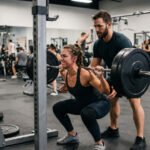
Progressive strength training
-
Movement retraining
-
Aerobic exercise
-
Proper nutrition
-
Muscle activation work
-
Gradual return to activity
The process should support healing tissues while still encouraging the body to maintain muscle function and rebuild strength safely.
Why Early Mobility Matters
One of the most effective ways to prevent muscle atrophy is early mobility. That does not mean forcing painful movement or rushing back into exercise before tissues are ready. It means introducing safe movement as early as medically appropriate. Enhanced recovery after surgery protocols often emphasize early mobilization because research consistently shows better outcomes when patients begin controlled movement sooner rather than later.
Early mobility helps:
-
Improve blood flow
-
Stimulate muscle tissue
-
Reduce stiffness
-
Support circulation
-
Improve muscle activation
-
Reduce prolonged weakness
It may also help reduce insulin resistance and systemic inflammation that can develop during extended periods of inactivity.
Simple Exercises Still Matter Early On
Basic movements matter more than patients expect. Early exercises that feel almost too easy are doing real work reconnecting the nervous system with muscles that have gone quiet. Movements like heel slides, straight leg raises, controlled weight shifting, and flexibility exercises help restore coordination and tolerance to movement. As healing improves, resistance training and progressive loading become more important for rebuilding muscle size, endurance, and overall muscle strength.
Nutrition Plays a Major Role in Muscle Recovery
Nutrition is consistently one of the most overlooked parts of post-surgical recovery. A strong rehab plan produces less when the body is not fueled to support it. Protein intake is especially important after surgery because protein supports muscle repair and muscle protein synthesis.
Research suggests a total daily protein intake around 1.6 grams per kilogram of body weight may help support muscle maintenance during recovery. In some situations, recommendations may range from 1.5 to 3.0 grams per kilogram daily depending on the procedure, activity level, and medical guidance involved. Patients who under-eat after surgery often struggle with prolonged weakness and slower recovery.
Leucine and Protein Support Muscle Repair
Leucine is an amino acid involved in stimulating muscle protein synthesis through the mTor pathway. This makes it especially important during recovery after injury or surgery. Some studies suggest combining Leucine with whey protein during meals may help support muscle maintenance during recovery. Supplements are not necessary for everyone, but they may help certain patients who struggle to meet protein needs through food alone.
Hydration matters too. Drinking enough water throughout the day supports circulation and nutrient delivery to recovering tissues.
Micronutrients Affect Healing Too
Protein is not the only nutritional factor involved in recovery. Vitamin C, Zinc, and Omega-3 fatty acids all support wound healing and anti-inflammatory responses after surgery. Nutritional deficits can impair muscle repair and prolong recovery time. Patients recovering from surgery should pay attention to overall nutrient quality rather than drastically reducing calories because activity levels temporarily decreased.
Blood Flow Restriction Therapy May Help Preserve Strength
Blood flow restriction therapy, often called BFR, has become increasingly valuable during post-surgical physical therapy. BFR allows patients to stimulate muscle strength and muscle recovery using lighter loads while partially restricting venous blood flow. Research suggests this approach may help maintain muscle volume and strength without placing excessive stress on healing tissues.
This can be especially helpful early in recovery when traditional heavy loading is not yet appropriate. At Scottsdale Physical Therapy & Performance, BFR may be integrated into rehabilitation programs when medically appropriate and cleared by the surgical team.
Electrical Stimulation Can Improve Muscle Recruitment
After surgery, some muscles struggle to activate effectively because of swelling, pain, or neurological inhibition. Electrical stimulation may help improve muscle recruitment by creating external activation signals to the muscle. This is commonly used after knee surgery when quadriceps activation becomes limited. Combined with exercise and progressive rehabilitation, electrical stimulation may help reduce muscle weakness and improve recovery outcomes.
Restimulate Health Protocols and truFlex Muscle Activation
One challenge many patients experience after surgery is that muscles do not always “turn back on” normally once pain starts improving. This is especially common after lower body surgery where weakness and muscle inhibition can continue longer than expected. In some cases, patients are medically cleared to move but still struggle to recruit muscle tissue effectively during exercise. That disconnect often slows muscle recovery and contributes to prolonged atrophy.
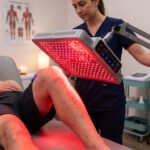
To help address this, Scottsdale Physical Therapy & Performance may integrate Restimulate Health protocols alongside progressive physical therapy and strength training. Depending on the patient and stage of recovery, this may include truFlex neuromuscular activation training to help stimulate muscle recruitment and support muscle activation when traditional loading is still limited.
Rather than replacing exercise or rehabilitation, truFlex is used as part of a broader recovery strategy focused on restoring movement quality, muscle strength, and performance safely. For active adults in Scottsdale trying to rebuild muscle mass after surgery, this combination of rehabilitation, neuromuscular activation, and progressive performance training can help bridge the gap between basic recovery and confidently returning to higher-level activity again.
Recovery Is About More Than the Surgical Site
Many patients focus only on the operated area during recovery, but inactivity affects the entire body. Reduced movement can affect endurance, metabolism, cardiovascular health, and overall conditioning. Short-term inactivity may impair insulin sensitivity and increase systemic inflammation. In some cases, those effects can linger even after activity resumes. This is one reason aerobic exercise often becomes an important part of recovery when medically appropriate. Maintaining circulation and conditioning can support both recovery and overall health.
Training the Opposite Limb Can Still Help
Interestingly, resistance exercise on the non-injured limb may help reduce muscle loss in the recovering limb. Research suggests this cross-education effect may improve glucose metabolism and release signaling chemicals that positively influence recovery. That means patients do not necessarily need to stop all exercise after surgery. A skilled physical therapist can often modify workouts safely to help maintain strength, conditioning, and movement quality during the recovery process.
How Physical Therapy Helps Rebuild Muscle Safely
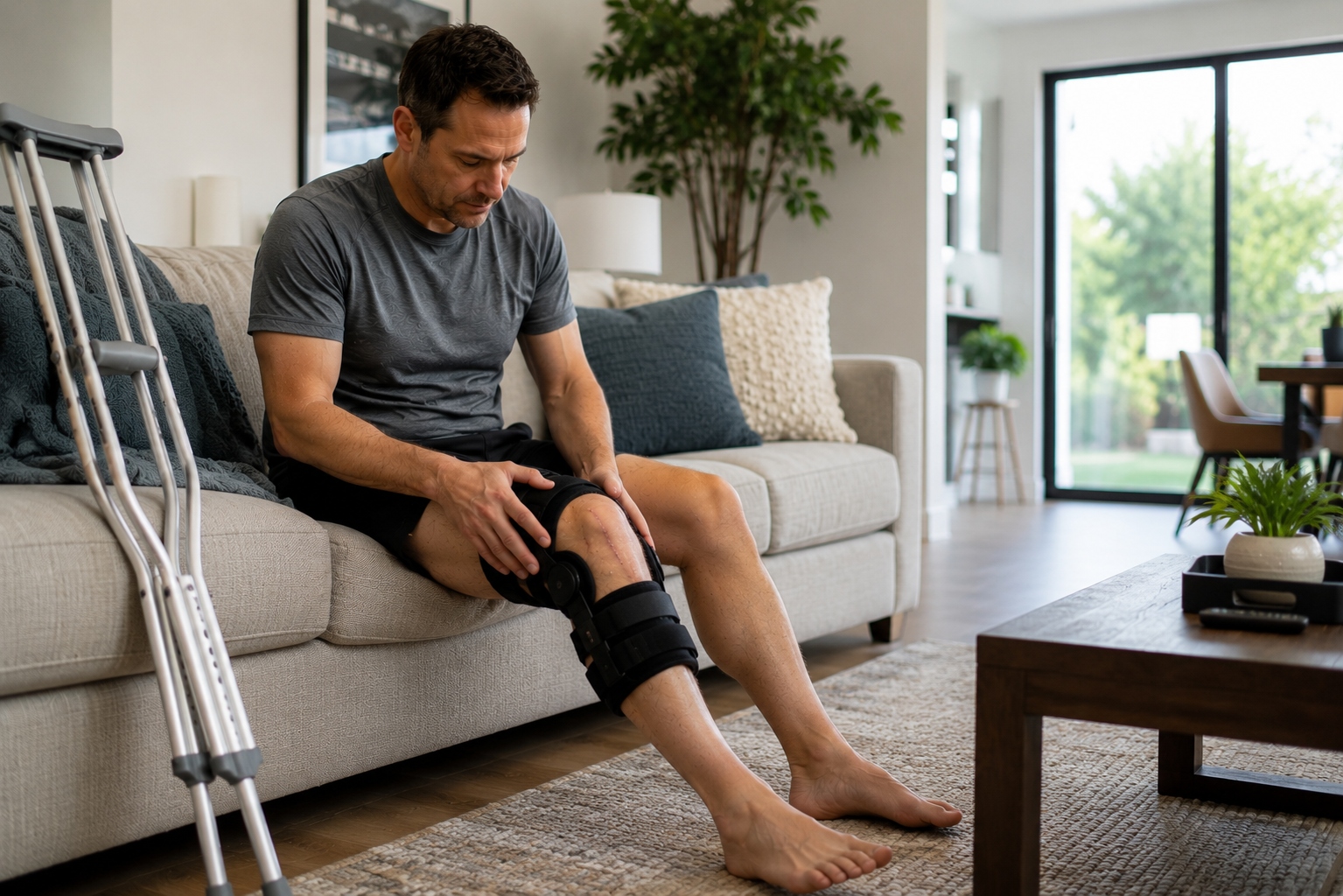
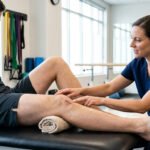
One of the biggest things physical therapy provides is structure during a period when most patients genuinely do not know what is safe and what is not. Rehab is not just running through a list of exercises. It is about knowing which stage of healing the body is in and loading it appropriately at each step.
A physical therapist evaluates:
-
Mobility limitations
-
Muscle weakness
-
Balance deficits
-
Pain levels
-
Compensation patterns
-
Movement quality
-
Activity goals
Treatment is then adjusted based on the surgery, recovery timeline, and performance goals of the patient. At Scottsdale Physical Therapy & Performance, we place a major emphasis on restoring efficient movement patterns before aggressively increasing intensity. Patients often recover better when the body relearns how to move properly rather than simply pushing harder through dysfunction.
Progression Matters More Than Intensity
Trying to rebuild muscle too aggressively can slow recovery. Patients sometimes jump directly into hard workouts before tissues are ready for that level of stress. That often increases pain, swelling, irritation, and movement compensations. A better approach is gradual progression based on tolerance, movement quality, and recovery response. For active adults in Scottsdale who want to return to golf, hiking, pickleball, CrossFit, cycling, or gym training, smart progression usually creates more sustainable long-term results.
Recovery Timelines Are Different for Everyone
There is no universal timeline for rebuilding muscle after surgery. Recovery depends on:
-
The type of surgery
-
Overall health
-
Nutrition
-
Sleep
-
Stress levels
-
Prior conditioning
-
Consistency with rehabilitation
Some patients regain strength within a few weeks. Others require several months of progressive rehabilitation before they feel fully confident again.
Waiting Too Long To Start Rehab Can Slow Progress
Some patients assume weakness will improve naturally over time without much intervention. While healing does occur gradually, prolonged inactivity often makes recovery harder.
Extended periods without movement can increase:
-
Stiffness
-
Weakness
-
Poor balance
-
Deconditioning
-
Loss of muscle strength
The longer muscle atrophy continues, the harder it becomes to fully restore muscle function and endurance. Starting physical therapy earlier often helps patients maintain better movement quality and confidence throughout the recovery process.
Returning to Activity Takes a Plan
Returning to sports, workouts, or recreational activity should be progressive rather than rushed. Even when pain improves, strength deficits and movement compensations may still exist underneath the surface. The body needs time to rebuild tissue tolerance, coordination, endurance, and force production after surgery. For many active adults in Scottsdale, the biggest milestone is not simply being cleared after surgery. It is returning to activity feeling strong, capable, and confident again.
When To Seek Help for Post-Surgical Weakness
If muscle weakness continues longer than expected, or if recovery feels stalled, it may be time for a more structured rehabilitation approach. Persistent weakness, swelling, instability, mobility restrictions, or difficulty with everyday activities are all signs that additional support may help. Working with a physical therapist can help identify the barriers slowing recovery and provide a clearer plan moving forward.
Rebuild Strength With a Smarter Recovery Strategy
Losing muscle mass after surgery can feel discouraging, especially for active adults who are used to moving well and staying independent. But muscle loss does not have to define the entire recovery process. With the right combination of physical therapy, progressive loading, and nutritional support, most patients can rebuild meaningful strength and get back to the activities they were doing before.
At Scottsdale Physical Therapy & Performance, we help patients throughout Scottsdale recover with a more individualized and performance-focused approach. If you are dealing with muscle weakness, prolonged atrophy, or slow recovery after surgery, our team can help you build a plan designed around your goals, lifestyle, and return-to-activity priorities.
Frequently Asked Questions
How Quickly Can Muscle Atrophy Happen After Surgery?
Muscle atrophy can begin within just two days of immobilization. Significant reductions in muscle volume and muscle strength may occur within the first two weeks after surgery when movement is heavily restricted.
Can You Rebuild Muscle After Surgery?
Yes. Most patients can rebuild muscle mass and muscle strength through progressive rehabilitation, exercise, proper nutrition, and consistent recovery strategies.
Is Walking Enough To Rebuild Muscle?
Walking helps improve circulation and mobility, but rebuilding muscle strength usually requires more targeted resistance training and progressive loading exercises.
Why Does My Leg Still Feel Weak Weeks After Surgery?
Weakness may come from muscle atrophy, swelling, pain-related inhibition, reduced activity, or incomplete muscle activation. Physical therapy can help identify the main contributing factors.
Does Nutrition Really Affect Muscle Recovery?
Yes. Protein, hydration, and micronutrients all support muscle repair and healing. Poor nutrition may slow recovery and contribute to additional muscle loss after surgery.