If your back has been nagging at you for months, you’ve probably tried the usual lineup: stretching, ice, maybe a heating pad after a long day. Red light therapy for back pain has become one of the more talked-about options for people who want relief without leaning on medication or waiting for surgery to become the only path forward. It’s not a cure-all, but for the right person, it can be a genuinely useful tool in a broader recovery plan.
This guide walks through how red light therapy actually works on the tissue in your back, what a session looks like, and how it fits alongside physical therapy rather than replacing it.
What Is Red Light Therapy?
Red light therapy uses specific wavelengths of red and near-infrared light to reach tissue beneath the skin. Unlike ultraviolet light, which can damage skin cells over time, these wavelengths are absorbed by your cells without heating or harming them. That’s part of why it’s grown so popular as a recovery tool for active people dealing with chronic pain, not just a passing trend.
How Red and Near-Infrared Light Work at the Cellular Level
Inside every cell are mitochondria, the structures responsible for producing energy. Red and near-infrared light stimulates these mitochondria to produce more adenosine triphosphate, or ATP, which is essentially the fuel your cells run on. With more ATP available, cells can repair themselves and function more efficiently. This is the mechanism behind most of what red light therapy is credited with, from reduced inflammation to faster tissue repair.
The light itself penetrates several centimeters into soft tissue depending on the wavelength and power output, reaching muscle and connective tissue rather than just the surface of the skin. That depth matters for back pain specifically, since much of what causes chronic discomfort sits below where a heating pad or topical cream can reach.
What a Session Feels Like
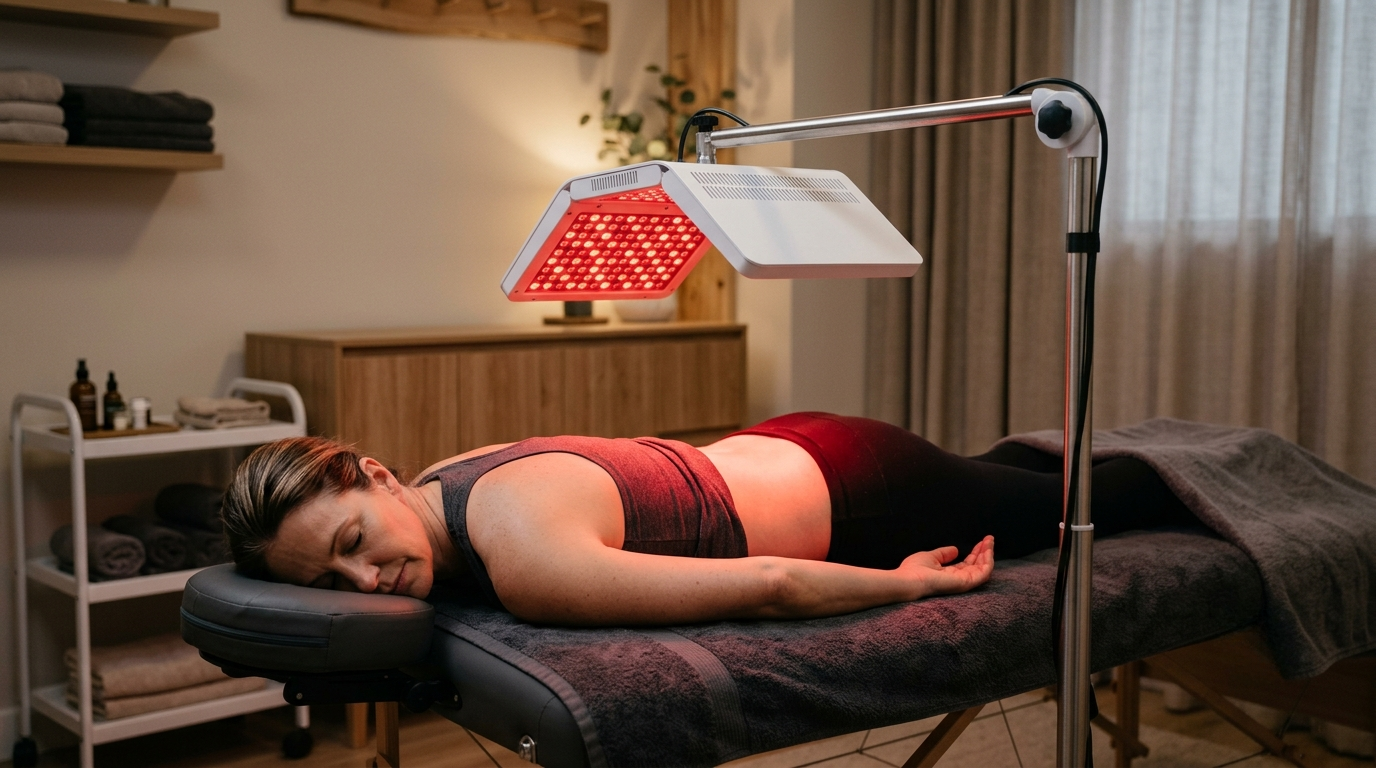
A typical red light therapy session involves lying or sitting near a panel that emits red and near-infrared light directly onto the affected area. Sessions usually last between 10 and 20 minutes. Most people feel only mild warmth, and there’s no downtime afterward, so it’s easy to fit into a normal day between workouts, work, or errands around Scottsdale.
Improvement tends to build gradually across a series of sessions rather than showing up after a single visit, which tracks with how the underlying cellular repair process works. Some people notice small changes within the first couple of weeks, while others need a longer stretch of consistent sessions before the difference becomes obvious.
How Red Light Therapy Helps With Back Pain
Back pain responds to red light therapy through a few distinct mechanisms, each one shaping what it can and can’t do on its own.
Reducing Inflammation Around Irritated Tissue
Chronic back pain is often driven by ongoing inflammation around strained muscles, irritated discs, or overworked joints. Red light therapy has been shown to reduce inflammation and swelling in the treated area, which can ease the pressure contributing to pain. Research also suggests it may lower levels of an enzyme linked to muscle damage, which matters for anyone dealing with recurring strain from training or repetitive movement.
Supporting Circulation and Tissue Repair
Better blood flow means more oxygen and nutrients reaching the tissue that needs to heal. Red light therapy enhances local blood circulation, supporting the body’s natural repair process rather than working against it. It also appears to promote tissue repair and collagen production, both of which matter for muscles, ligaments, and the connective tissue surrounding your spine.
Easing Muscle Tension and Spasm
Back pain rarely stays isolated to one spot. Surrounding muscles tend to tighten and guard in response, which can turn a minor strain into a much bigger problem. Reducing local inflammation and improving circulation can help those muscles release some of that guarding, which is part of why red light therapy is often paired with stretching and other light movement rather than used in isolation.
Where the Research Stands
Evidence shows that the effectiveness of red light therapy varies depending on treatment parameters like wavelength, dose, and frequency, so not every device or protocol produces the same results. Current research suggests it can meaningfully reduce chronic and acute pain, with some clinical trials showing significant improvement in back pain severity and studies indicating chronic back pain can drop by as much as 50 percent with consistent use. Several red light devices used in clinical and wellness settings have also been cleared by the FDA for therapeutic use, which reflects a meaningful level of established safety even as research on optimal protocols continues to evolve.
It’s worth being direct about the limits, too. Research on chronic low back pain specifically suggests red light therapy tends to provide modest, short-term relief rather than a permanent fix, which is exactly why it works best as part of a bigger plan instead of a standalone treatment. Setting that expectation up front tends to lead to a much better experience than walking in expecting a single session to undo months or years of pain.
What Causes Chronic and Recurring Back Pain
What’s actually driving your back pain determines whether red light therapy is a good fit, and what else needs to be part of the plan.
Degenerative Disc Changes
The discs between your vertebrae naturally lose some of their cushioning ability over time, a process often labeled degenerative disc disease. This doesn’t automatically mean surgery is in your future, but it does mean the surrounding tissue has to work harder to keep things stable, which is where inflammation and muscle guarding often creep in.
Muscle Strain and Overuse
Whether it’s from a heavy lift that went slightly wrong, too many reps of the same repetitive motion, or a golf swing that puts uneven load through your low back, muscle strain is one of the most common drivers of persistent back pain in active adults. It often lingers longer than expected because the muscle keeps getting reaggravated before it fully settles down.
Old Injuries That Never Fully Resolved
Sometimes chronic back pain traces back to an injury from years ago that never got a complete rehab process. The initial pain faded, but the underlying mobility limitation or strength deficit stuck around, quietly setting the stage for repeated flare-ups.
How It Shows Up in Daily Movement
For golfers, this often shows up as pain during or after the swing, especially through rotation. Runners may notice it during longer efforts or when fatigue sets in and form starts to break down. Weightlifters and CrossFitters frequently feel it during deadlifts, squats, or overhead movements where the low back has to stabilize under load.
In each case, the pain isn’t just uncomfortable, it’s actively limiting what you can do in the gym or on the course. That’s usually the point where people start modifying their training, skipping sessions they used to enjoy, or quietly avoiding certain movements altogether, which tends to make the underlying weakness or restriction worse rather than better.
Recovery and Treatment Options for Back Pain
Most chronic back pain responds well to a conservative, staged approach rather than jumping straight to aggressive interventions.
Conservative Care First
Relative rest, gentle movement, targeted stretching, and load management are usually the starting point. If your pain has a muscle-guarding component, our stretches for muscle spasms in the back are a good place to start. Complete bed rest usually makes things worse, since stiffness and guarding increase the longer you stay still.
Short walks, controlled mobility work, and gradually reintroducing activity tend to produce better outcomes than shutting everything down. Heat and cold therapy can also help take the edge off in the short term, though neither addresses the underlying cause of a recurring issue on its own.
When Red Light Therapy Fits In
Red light therapy works best as a complementary tool layered on top of this conservative approach rather than a replacement for it. It’s a wellness and recovery tool, not a standalone medical treatment, and it tends to work best when combined with the exercises, stretching, and movement retraining that address the actual cause of your pain.
Realistic Timelines
Minor strains often improve within a few weeks of consistent conservative care. More persistent issues, especially ones tied to degenerative changes or old unresolved injuries, may take longer and typically benefit from a structured evaluation rather than guesswork. If your back keeps tightening up, if home remedies only help for a few hours, or if you’re changing how you train because you don’t trust your low back anymore, that’s usually a sign it’s time for a real assessment.
How Physical Therapy Helps With Back Pain
A physical therapy evaluation does something red light therapy alone can’t: it identifies exactly which movements, muscles, and patterns are driving your specific pain.
What an Evaluation Looks At
A thorough evaluation assesses your movement patterns, strength imbalances, mobility restrictions, and how your pain responds to specific positions and loads. This matters because two people with the same diagnosis can have completely different underlying causes, and a generic stretching routine often misses the actual problem.
Building a Plan Around Your Sport or Workout
From there, a physical therapist builds a plan that addresses what’s actually overworking, what’s underperforming, and which movements your body can currently tolerate. For active people, that plan is built around getting back to your specific sport or training goals, not just eliminating pain in isolation.
How Scottsdale Physical Therapy & Performance Approaches Red Light Therapy for Back Pain
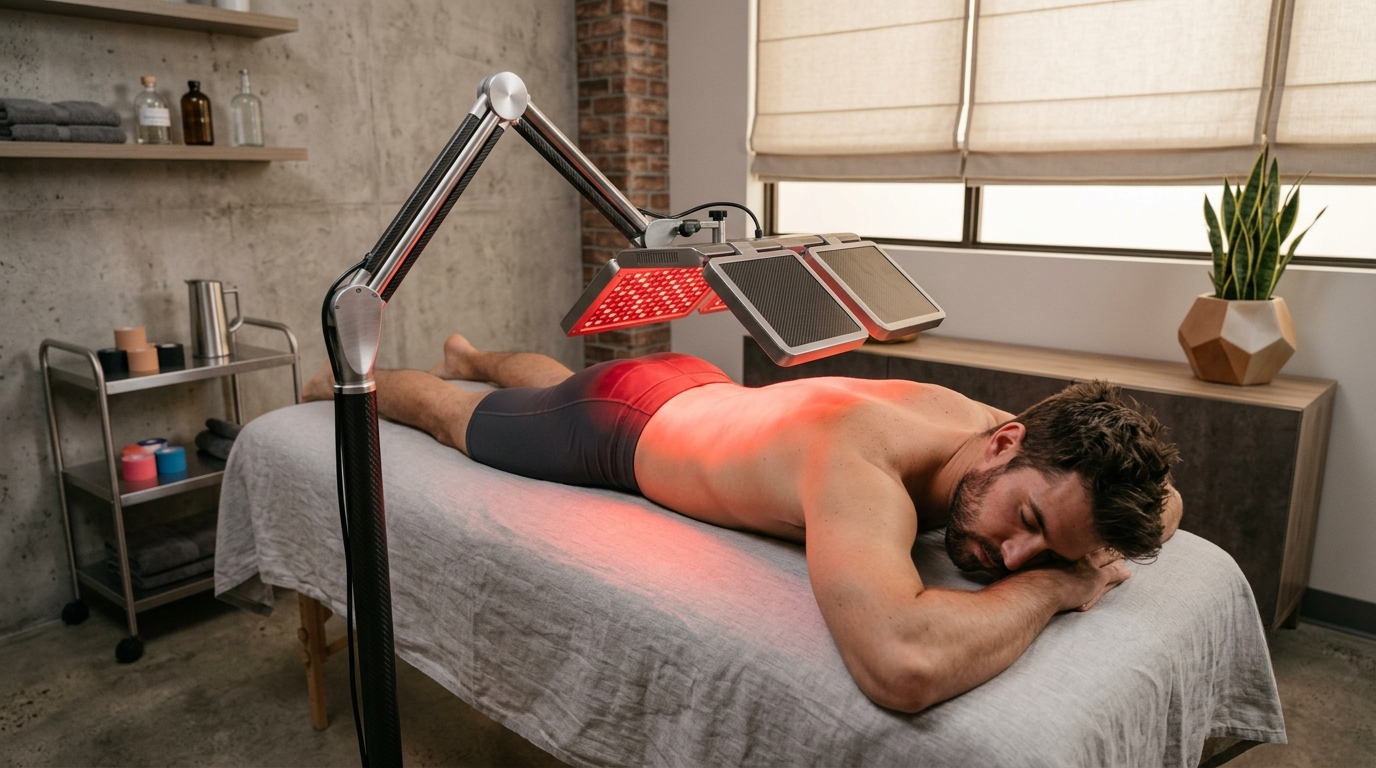
At Scottsdale Physical Therapy & Performance, red light therapy is offered as part of a broader recovery and performance strategy rather than a standalone service, and it ties directly into our back pain treatment programs for anyone dealing with a recurring issue.
Pairing Red Light Sessions With Your Treatment Plan
Our clinical-grade red light therapy sessions are designed to complement the hands-on treatment and targeted exercise you’d get through a physical therapy plan here. For golfers, runners, weightlifters, and other active adults working through back pain, this often means combining sessions with the kind of movement retraining and strength work covered in our return-to-sport programs.
A Performance-First Philosophy
We built this clinic around helping people get back to what they love without surgery, without stopping the activities that matter to them, and without relying on pain medication as the long-term answer. That philosophy shapes how we talk about red light therapy with patients: as a supporting tool, not a shortcut around the actual work of rehab.
Red light therapy fits naturally into that approach as one more tool in a plan built around your actual goals, whether that’s getting back to your swing, your long runs, or your training program. Our team works with active patients throughout Scottsdale who want a plan that gets them back to their sport, not just out of pain temporarily.
Ready to Deal With Your Back Pain Head-On?
You don’t have to keep guessing at what’s causing your back pain or which combination of tools will actually help. A real evaluation can tell you whether red light therapy makes sense for your situation, what else needs to be part of the plan, and how long a realistic recovery timeline looks like for you specifically. If your back has been holding you back from your sport, your workouts, or just getting through your day comfortably, reach out to our team to schedule an evaluation and get a plan built around your goals.
Frequently Asked Questions
How Many Red Light Therapy Sessions Will I Need Before I Notice a Difference?
Most people need several sessions before they notice meaningful change, since the underlying cellular repair process builds gradually rather than happening all at once. Some people feel a difference within the first couple of weeks of consistent sessions, while others need a longer stretch of regular use.
Is Red Light Therapy Safe to Use Alongside Physical Therapy?
Yes. Red light therapy is considered safe with minimal side effects, and it’s commonly paired with physical therapy rather than used as a replacement for it. The two address different parts of the problem: PT targets the movement patterns and strength deficits causing your pain, while red light therapy supports the tissue’s ability to heal.
Can I Use Red Light Therapy if I Have a Herniated or Bulging Disc?
Red light therapy may help reduce inflammation around an irritated disc, but it’s not a substitute for a proper evaluation if you’re dealing with disc-related symptoms like pain radiating down your leg, numbness, or tingling. Those symptoms warrant a thorough assessment before starting any new treatment.
Do I Need a Doctor’s Referral to Start Red Light Therapy or Physical Therapy in Scottsdale?
No referral is required to schedule an evaluation. You can reach out directly to get started, and we’ll help determine whether red light therapy, physical therapy, or a combination of both makes sense for your specific back pain.
Will Red Light Therapy Fix My Back Pain on Its Own?
Red light therapy is a wellness and recovery tool, not a standalone medical treatment. It works best when it’s part of a comprehensive plan that also addresses the movement patterns, strength imbalances, or old injuries actually driving your pain, which is exactly what a physical therapy evaluation is designed to uncover.