You may still be the person who trains a few times each week, walks most mornings, plays golf on the weekend, or says yes to pickleball even when your knees feel a little stiff. But lately, your body may feel different. The workouts that used to maintain muscle tone and strength no longer seem as effective. Climbing stairs may feel heavier on your legs. Long walks around Scottsdale may leave you more fatigued than expected. Even getting up from the floor may take more effort than it used to.
For many active older adults and baby boomers, that shift feels frustrating because the motivation is still there. You are still trying to stay active, but your body feels less responsive. For a lot of active adults, this gradual shift is related to sarcopenia, which is the progressive loss of muscle mass, muscle strength, and muscle function that can happen with aging, inactivity, inflammation, illness, stress, poor recovery, or reduced resistance training.
Sarcopenia treatment is not about accepting this as normal aging. It is about understanding what is driving the muscle loss and building a plan that actually addresses it. At Scottsdale Physical Therapy & Performance, the focus is not on slowing people down. The focus is on helping active adults continue doing what they enjoy with more confidence, strength, and physical resilience.
What Is Sarcopenia?
Sarcopenia refers to the progressive loss of skeletal muscle mass, muscle fibers, and physical performance that commonly occurs with aging. While some gradual muscle loss can happen naturally over time, sarcopenia becomes more concerning when it starts affecting balance, mobility, endurance, walking speed, and overall physical function.
Muscle tissue does much more than help you look fit. Healthy muscle supports balance, joint protection, posture, endurance, coordination, and recovery from physical activity. Muscle also helps your body generate force efficiently during movement. Whether you are climbing stairs, hiking uneven terrain, carrying groceries, or swinging a golf club, muscle strength and muscle function influence how well your body performs those tasks.
Most people assume sarcopenia is something that happens to sedentary or much older adults. We regularly see it in people who are still active but are not loading or fueling their body enough to keep up with the demands of aging muscle tissue. Why Muscle Loss Matters More Than Most People Realize
For active adults, sarcopenia often feels less like obvious weakness and more like reduced capability. You may still be exercising, but your endurance drops faster. Your recovery slows down. Your legs fatigue more easily during longer walks or workouts. You may feel less stable changing direction or stepping off curbs. Some adults notice they stop moving as confidently because they no longer trust how their body will respond.
Muscle health is closely tied to overall health. Healthy muscle tissue helps support metabolism, insulin sensitivity, body fat regulation, cardiovascular disease risk, and long-term independence. When muscle loss progresses, adults often notice increased fatigue, lower exercise tolerance, slower recovery, and reduced physical resilience.
This is one reason getting ahead of it matters. Waiting until strength has dropped significantly makes the recovery process slower and harder.
Common Signs of Sarcopenia
Sarcopenia usually develops gradually, which is why many people do not recognize it immediately. Instead, they notice small changes over time. Walking speed may slow down. Climbing stairs may feel harder. Carrying heavier objects may require more effort. Some adults notice more soreness after workouts or feel like their muscles no longer respond the same way during exercise.
For active adults, one common sign is reduced power and endurance. You may still complete activities, but they feel more draining than they used to. Others notice gradual loss of muscle mass around the thighs, shoulders, hips, or glutes, especially after illness, surgery, injury, or prolonged inactivity.
These changes also affect how people move without them realizing it. Adults start compensating, slowing down, or avoiding certain movements because they no longer trust how their body will respond.
Why Muscle Loss Happens With Aging
One major reason sarcopenia develops is anabolic resistance, which means the body becomes less responsive to the signals that stimulate muscle protein synthesis and muscle growth.
When you were younger, moderate exercise and average protein intake may have been enough to maintain muscle health. As adults age, the same level of exercise and nutrition may produce a weaker anabolic response. Improvement is still very possible. It just requires a more intentional approach than what worked at 40.
Several overlapping factors contribute to sarcopenia, including reduced physical activity, chronic low grade inflammation, hormonal changes, poor sleep, mitochondrial dysfunction, stress, pain, reduced blood flow, health conditions, and nutritional deficiencies.
Weight loss can also contribute to muscle loss if adults reduce calories too aggressively without enough protein intake or resistance exercise. In those situations, the body may lose lean mass along with body fat, worsening overall muscle weakness and physical function.
Chronic Inflammation, Fatigue, and Recovery
Chronic low grade inflammation, sometimes referred to as inflammaging, contributes significantly to sarcopenia. Elevated inflammatory cytokines such as TNF-α and IL-6 interfere with anabolic signaling and increase muscle protein breakdown over time.
Most adults do not directly feel this inflammation. Instead, they notice slower recovery, lower exercise tolerance, increased fatigue, stiffness, and a general sense that their body no longer bounces back from physical activity the way it used to.
Mitochondrial dysfunction also contributes to fatigue and reduced endurance. Mitochondria are responsible for producing energy inside muscle cells. As mitochondrial function declines, muscles fatigue faster and exercise feels more draining.
This is why so many adults describe their workouts as feeling harder for no obvious reason, or why their legs feel worn out long before they expected.
Regular resistance exercise and aerobic exercise can help improve mitochondrial function and support mitochondrial biogenesis, helping muscles become more efficient at producing and using energy during movement and recovery.
Neuromuscular Changes and Muscle Activation
Strength is not only about muscle size. The nervous system also plays a major role in how efficiently muscles contract and produce force.
With aging, neuromuscular junction function can decline, reducing communication between nerves and muscle fibers. This contributes to slower reaction time, weaker contractions, reduced coordination, and impaired balance.
Many adults describe this as feeling disconnected from their muscles. They may feel slower, less explosive, or less stable during movement even if they are still exercising regularly.
Resistance training stimulates neuromuscular remodeling and improves muscle recruitment, which is why sarcopenia treatment needs to focus on movement quality and activation, not just adding more exercise volume.
Why Walking Alone Usually Is Not Enough
Walking is excellent for cardiovascular health, circulation, recovery, and staying physically active. Many adults in Scottsdale walk consistently and maintain healthy lifestyles. Walking absolutely supports overall health and should remain part of most exercise routines.
But walking alone usually does not provide enough resistance to significantly improve muscle mass and strength.
Resistance training is the most direct way to increase muscle mass and prevent its loss, involving exercises like weightlifting and resistance bands. A review published in the Journal of Orthopaedic Translation concluded that resistance and physical exercise are the only interventions that reliably improve muscle strength and performance in sarcopenia.
Walking maintains endurance and keeps the joints moving, but it does not provide the loading stimulus needed to rebuild muscle mass.
How Resistance Training Helps Treat Sarcopenia
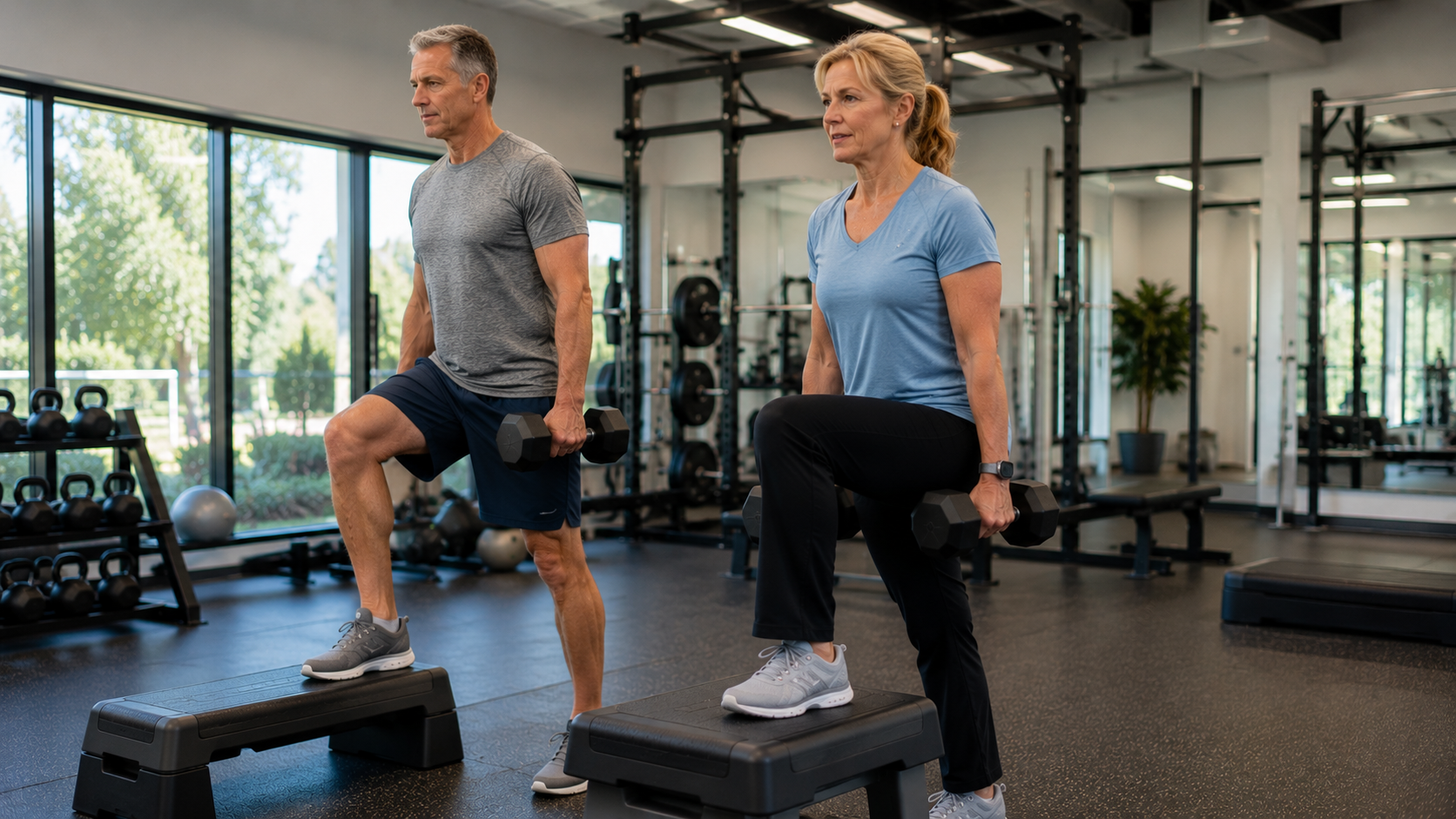
Resistance training works because muscles adapt to stress. When muscle tissue is challenged appropriately, the body responds by improving muscle protein synthesis, muscle regeneration, and force production.
Even adults later in life can regain measurable strength through progressive resistance training. Muscle cells still respond to loading when the body receives the correct stimulus consistently.
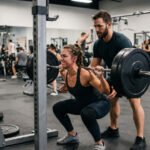
A good sarcopenia treatment plan will include squats, step-ups, rows, carries, presses, and deadlift variations. The specific exercises matter less than whether they are actually progressing. A body that stays in the same light routine has no reason to adapt.
This is one reason many adults plateau. They continue exercising, but the exercise intensity never progresses enough to improve muscle mass and strength meaningfully.
Why Exercise Dosage Matters
Exercise needs to be challenging enough to stimulate adaptation without overwhelming recovery capacity.
If exercise is too easy, muscles may not receive enough stimulus for change. If training becomes too aggressive too quickly, soreness, fatigue, pain, or joint irritation may increase.
At Scottsdale Physical Therapy & Performance, one thing we evaluate carefully is how well someone tolerates load and movement. Some adults are underloading and never challenging their body enough. Others are training too aggressively despite mobility restrictions, pain, stiffness, or poor recovery.
The right dosage matters because the body adapts best when stress and recovery are balanced appropriately.
Protein Intake and Muscle Protein Synthesis
Adequate protein intake is essential for muscle repair, muscle protein synthesis, and muscle growth. Many older adults simply do not consume enough protein to maintain muscle health effectively.
Clinical guidance commonly recommends approximately 1.0 to 1.2 grams of protein per kilogram of body weight daily for healthy older adults. Adults exercising regularly or managing acute or chronic illness may benefit from higher intakes around 1.2 to 1.5 grams per kilogram daily.
Research also supports distributing protein intake evenly across meals. Consuming approximately 20 to 35 grams of protein per meal may help stimulate muscle protein synthesis more effectively throughout the day.
High quality protein sources such as eggs, fish, poultry, dairy, whey protein, and properly combined plant proteins can help support muscle health and recovery. The amino acid leucine appears particularly important because it helps trigger anabolic signaling involved in muscle protein synthesis.
Many adults underestimate how much protein they actually consume during the day. One thing we frequently discuss during evaluations is whether nutritional habits match recovery demands and exercise goals.
Nutritional Interventions That Support Muscle Health
Protein matters, but sarcopenia treatment should also support hydration, energy production, recovery, and overall muscle metabolism.
Adults who consistently under-eat or aggressively restrict calories may struggle maintaining muscle mass even if they exercise regularly. The body needs enough fuel to support muscle regeneration and adaptation.
Vitamin D status may also influence muscle function, particularly in adults with low levels. Creatine supplementation has shown promising results for improving lean mass and muscle performance when paired with resistance training.
Most adults do not need extreme diets or complicated supplement protocols. They need more protein, consistent calories, decent hydration, and better recovery habits.
Nutrient Flow, Circulation, and Muscle Function
Muscle health also depends on nutrient delivery and circulation. Nutrient flow refers to the delivery and utilization of proteins, amino acids, vitamins, minerals, and oxygen needed to support muscle metabolism and prevent excessive muscle protein breakdown.
Age-related changes in blood flow and nutrient transport can impair anabolic responses to exercise and protein intake. This helps explain why adults may still exercise consistently but struggle maintaining muscle mass and strength.
Exercise improves circulation and helps create demand for nutrient uptake inside muscle tissue. This is one reason resistance training, aerobic exercise, nutrition, and recovery work better together than individually.
Hydration and Muscle Performance
Hydration plays a bigger role in muscle function than most people realize.
Water supports nutrient transport, blood volume, cellular metabolism, muscle contraction, and recovery. Aging often leads to reduced intracellular water and increased extracellular water, contributing to muscle weakness and reduced physical performance.
Hydration needs become especially important in Scottsdale because dry heat increases fluid demands significantly during physical activity.
General hydration guidelines commonly suggest around 1.6 liters daily for women and 2.0 liters daily for men, though needs vary based on activity level, climate, medications, and health conditions.
Electrolytes and nutrients supporting cellular hydration may also help improve muscle performance and recovery in some adults.
Gut Health and Inflammation
Recent research has explored how gut microbiota composition may influence frailty, inflammation, and sarcopenia.
Older adults often experience shifts in gut bacteria, including fewer beneficial bacteria and more pro-inflammatory microbes. Higher frailty status correlates with lower levels of anti-inflammatory short-chain fatty acid producing microbes, which may contribute to muscle loss and reduced physical function.
Dietary patterns such as the Mediterranean diet and increased fiber intake have shown promising results for supporting muscle health and reducing frailty risk.
While more research is still needed, this reinforces an important point. Muscle health is influenced by the entire system, not just isolated exercise sessions.
Can You Reverse Sarcopenia?
Many adults ask whether it is possible to reverse sarcopenia completely.
The answer depends on several factors including severity, consistency, recovery, health conditions, activity history, and nutritional support. Some adults improve muscle mass and strength significantly. Others may not completely reverse every age-related change but still regain meaningful improvements in endurance, confidence, balance, mobility, and physical function.
The adults who improve most consistently are usually the ones who train progressively, stay physically active, consume enough protein, recover appropriately, and maintain long-term consistency.
Sarcopenia treatment is rarely about one perfect intervention. The strongest outcomes typically come from the combined effects of resistance training, aerobic exercise, recovery management, nutrition, and individualized physical therapy.
Supplements, Medications, and Emerging Research
Researchers continue exploring new therapeutic interventions for sarcopenia treatment.
Creatine supplementation may help improve muscle mass and muscle strength when paired with resistance training. Whey protein may help adults who struggle meeting protein needs through food alone.
Researchers are also studying selective androgen receptor modulators, myostatin inhibitors, hormonal therapies, insulin like growth factor pathways, and anti-inflammatory compounds.
MYMD-1 has shown promising results during Phase II research involving TNF-α inhibition. Biophytis’ Sarconeos (BIO101) demonstrated mobility improvements during Phase II trials involving older adults with sarcopenia. LPCN 1148 is also being investigated for potential benefits in patients with cirrhosis.
These treatments remain under investigation and require more research before becoming standard clinical care. Current evidence still strongly supports resistance training, physical activity, and nutritional interventions as the most reliable frontline strategies.
Why Physical Therapy Helps Treat Sarcopenia
Physical therapy helps turn general advice into a structured and individualized progression plan.
Most adults know they should stay active, but many are unsure how hard to train, which exercises are safest, or how to progress without increasing pain or fatigue.
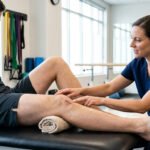
At Scottsdale Physical Therapy & Performance, evaluations look closely at how someone moves, loads their body, and tolerates exercise. Strength deficits, mobility restrictions, balance issues, walking mechanics, recovery limitations, and movement compensations are all considered when building a treatment plan.
If your primary issue is difficulty climbing stairs, treatment may focus on hip strength, balance, ankle mobility, and lower-body loading tolerance. If your goal is returning to golf or pickleball, the plan may emphasize rotational strength, endurance, trunk control, and movement efficiency.
This individualized approach helps adults improve strength while also improving confidence and long-term movement quality.
Why Movement Quality Matters
Movement quality influences how efficiently the body creates force and absorbs stress.
Adults dealing with hip stiffness, poor balance, ankle restrictions, knee pain, or prior injuries often compensate during movement. These compensations can reduce exercise effectiveness and increase joint irritation over time.
Improving movement quality helps adults tolerate resistance training more effectively while improving coordination, balance, and overall muscle recruitment.
For many active adults, this becomes the missing link between exercising consistently and actually getting stronger.
Power, Balance, and Athletic Aging
Power matters just as much as strength.
Power refers to how quickly force can be produced, which affects balance recovery, athletic movement, climbing stairs, hiking uneven terrain, and reacting during sports or unexpected movement situations.
Many adults lose power faster than raw strength. This is why people often describe themselves as feeling slower or less explosive even when they still exercise consistently.
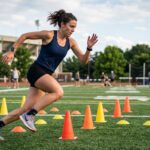
Balance training should also reflect real-world movement demands. At Scottsdale Physical Therapy & Performance, balance progression often includes stepping drills, carries, rotational movements, uneven surface work, and reaction-based movement training instead of only static exercises.
How Scottsdale Physical Therapy & Performance Approaches Sarcopenia
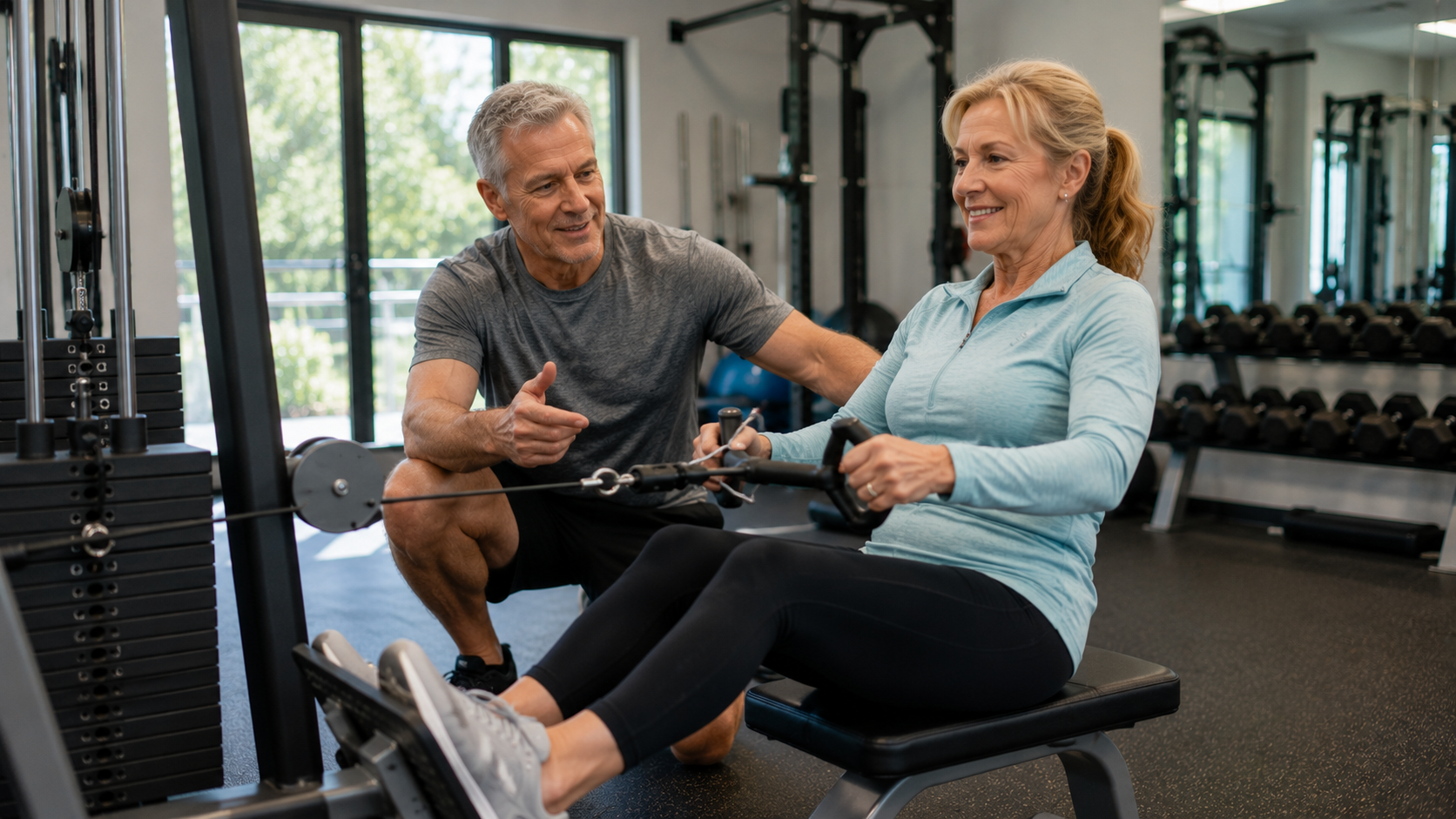
At Scottsdale Physical Therapy & Performance, sarcopenia treatment is approached from a movement and performance perspective rather than a passive aging perspective.
Many of our patients still want to golf regularly, hike confidently, train in the gym, play pickleball, travel comfortably, and maintain long-term independence. Treatment plans are designed around those real-world goals.
The process starts with understanding how your body currently moves and what limitations are contributing to weakness, reduced endurance, or declining physical performance.
Treatment may include progressive resistance training, movement quality work, aerobic conditioning, balance training, recovery management, and activity-specific progression depending on your goals and physical limitations.
This approach fits active adults better than generic senior exercise because it recognizes that many people are still trying to perform, not simply avoid decline.
Where Neuromuscular Activation Training Fits
For some adults, Neuromuscular Activation Training and Restimulate Health protocols may support the broader rehabilitation process.
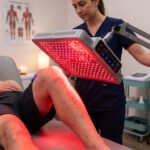
The truFlex muscle stimulation system is designed to support muscle activation, circulation, neuromuscular recruitment, and movement quality during supervised sessions. It is not a standalone cure for sarcopenia and should not replace progressive resistance training.
Instead, it may help support adults who struggle activating muscles efficiently, experience significant deconditioning, or need gradual reintroduction to exercise.
At Scottsdale Physical Therapy & Performance, these tools are used alongside active treatment strategies including strength training, mobility work, balance progression, and long-term physical activity development.
Staying Strong Later in Life
Aging changes the body, but it does not eliminate the ability to improve.
Muscle tissue still adapts to resistance. Strength still improves with progressive loading. Balance still responds to training. Endurance still improves through consistent physical activity and aerobic exercise.
The adults who maintain physical independence later in life are usually the ones who continue investing in muscle health, movement quality, recovery, and long-term consistency.
Sarcopenia treatment is about maintaining the capability to keep doing the things that matter, not about chasing performance goals that are unrealistic for this stage of life.
Ready To Start Sarcopenia Treatment in Scottsdale?
If you are noticing muscle weakness, reduced endurance, lower exercise tolerance, or gradual loss of muscle mass, it may be time for a more structured plan.
At Scottsdale Physical Therapy & Performance, we help active older adults and baby boomers improve muscle function, rebuild strength, and return to the activities they care about most. Our approach combines physical therapy, progressive resistance training, movement assessment, and performance-focused rehabilitation tailored to your goals and current ability level.
If you live in Scottsdale or the surrounding area and want guidance that goes beyond generic exercise advice, our team can help you build a plan focused on long-term strength, mobility, and independence.
Frequently Asked Questions
Can sarcopenia be reversed with exercise?
Many adults can improve muscle mass, muscle strength, endurance, and physical function with progressive resistance training and consistent physical activity. The degree of improvement depends on factors such as age, severity, recovery, nutrition, and overall health. Even when complete reversal is not possible, adults can still regain meaningful improvements in mobility, balance, and confidence.
What is the best exercise for sarcopenia treatment?
Resistance training remains the most effective exercise strategy for sarcopenia treatment. Exercises involving progressive loading, such as squats, carries, rows, presses, resistance bands, and step-ups, help stimulate muscle protein synthesis and improve muscle mass and strength over time. Aerobic exercise also supports cardiovascular health, endurance, and recovery.
How much protein do older adults need for muscle health?
Clinical guidance commonly recommends around 1.0 to 1.2 grams of protein per kilogram of body weight daily for healthy older adults. Adults who exercise regularly or manage chronic conditions may benefit from intakes closer to 1.2 to 1.5 grams per kilogram daily. Distributing protein intake evenly across meals may help support muscle protein synthesis more effectively.
Is walking enough to prevent muscle loss?
Walking is excellent for circulation, endurance, cardiovascular health, and staying active, but it usually does not provide enough resistance to significantly improve muscle mass and strength. Most adults benefit from adding progressive resistance training to help support muscle health and reduce age related sarcopenia.
How does physical therapy help with sarcopenia?
Physical therapy helps identify strength deficits, movement limitations, balance problems, recovery limitations, and exercise tolerance issues contributing to muscle weakness and reduced physical performance. Treatment plans are individualized and may include progressive resistance training, balance development, mobility work, movement quality training, and activity-specific progression.