You just finished a workout and you are wondering if you need a protein shake right now, or if dinner later is fine. You are not alone, this is one of the most common sports nutrition questions we hear from active people in Scottsdale, AZ.
In this guide, you will learn how much protein for post workout makes sense for muscle recovery, muscle growth, and performance. You will also get simple ways to hit your daily protein intake with whole foods, and how physical therapy supports muscle repair, tendon health, and long-term progress as part of a broader approach to improving sports performance.
What Is Actually Happening After You Work Out
When you lift, sprint, or do resistance training, your muscle fibers experience tiny amounts of stress. That stress is normal, and it is part of the signal your body uses to rebuild stronger.
Your body responds by turning up muscle protein synthesis, which is the process of using amino acids to rebuild muscle tissue and support muscular adaptations. Protein helps rebuild muscles and repair tissue after exercise, and protein consumption supports muscle repair, strength, and overall recovery when you work out.
Quick Answer: How Much Protein After a Workout
For most people, the recommended protein intake after a workout is at least 15 to 25 grams within about 2 hours after exercise. Studies also show that consuming a moderate amount of protein, about 20 grams of protein, shortly after exercise is generally enough to support muscle repair and muscle recovery.
If you want a simple target, start here. Eat 20 to 30 grams of protein after your workout, especially after resistance exercise or a hard conditioning session.
Protein Timing: Helpful but Not Urgent
Protein timing can enhance muscle protein synthesis and recovery, but there is no need to stress about hitting an exact window. Muscles are typically more receptive to nutrients within the first 30 to 60 minutes post-workout, though some people may benefit from eating sooner. This “anabolic window” can extend up to several hours after exercise.
Eating protein within about two hours of exercise is a practical guideline to support recovery and growth without causing alarm if delayed.
A Practical Post-Workout Protein Dosing Rule
A simple way to tailor protein intake post-workout is to aim for about 0.25 to 0.4 grams of protein per kilogram of body weight. This scales your intake based on your size and aligns with general recommendations.
For example, a 70 kg (154 lb) person would target roughly 18 to 28 grams of protein after exercise, which fits well within the 20 to 30 grams anchor target.
Daily Protein Intake Targets Based on Your Goal
Most active adults do well with 1.2 to 1.7 grams of protein per kilogram of body weight per day. That range lines up with guidance often referenced in sports medicine and the American College of Sports Medicine, and it is higher than the common recommendation of 0.8 grams of protein per kilogram for healthy adults who are not training hard.
If your main goal is muscle repair and muscle growth, aim for a total daily protein intake of 1.6 to 2.2 grams per kilogram of body weight. If your goal is weight loss, for many, a daily goal of 0.54 grams of protein per pound of body weight is a good starting point.
For older adults, protein needs can shift upward. For adults over 50, a recommended protein intake is often between 1.2 grams to 1.6 grams per kilogram to support muscle mass, function, and the immune system.
Spread Protein Throughout the Day for Better Results
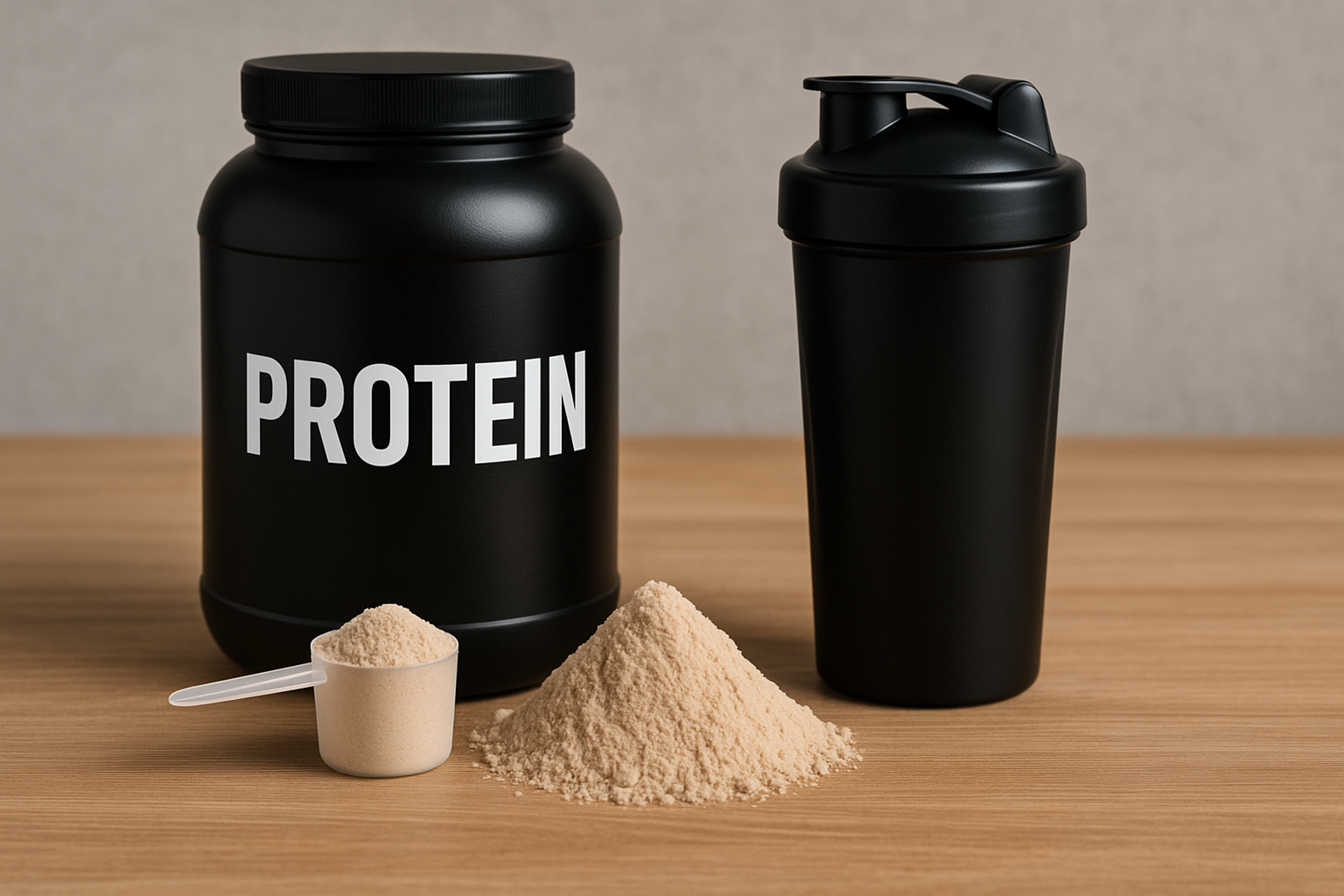
One big protein shake at night is not the best strategy for most people. It is recommended to spread protein intake throughout the day to maintain muscle-building mode.
The International Society of Sports Nutrition is often cited for a practical approach. A common recommendation is 20 to 40 grams of protein every 3 to 4 hours to improve muscle recovery and support performance. That pattern helps keep a steady supply of essential amino acids available for protein synthesis.
If you prefer simple structure, aim to eat protein with every meal, plus one protein-rich snack if needed. Eating protein-rich snacks throughout the day can help you meet your protein goals.
What Counts as High Quality Protein After a Workout
Your body uses amino acids as building blocks. High quality protein sources tend to provide a strong mix of essential amino acids, including leucine, which plays an important role in muscle protein synthesis.
Some research suggests a dose of around 2 to 2.5 grams of leucine per feeding may help signal muscle protein synthesis, but individual responses can vary. Animal based proteins and dairy often provide these amino acids, but plant-based proteins can also contribute when combined properly.
Protein is found in animal products, such as meat, fish, eggs, and dairy, as well as beans, tofu, nuts, and many vegetables. Whole foods are a great foundation, and protein supplements can be helpful when convenience matters.
Post-Workout Protein Options That Are Easy to Digest
After a tough workout, choosing easily digested foods can promote faster nutrient absorption. Fast-digesting proteins like whey isolate or high-quality whole food proteins rich in leucine are often preferred sources for post workout nutrition.
Here are simple options that work for many people:
- Whey protein or a whey protein shake mixed with milk or skim milk
- Greek yogurt with fruit
- Cottage cheese with berries
- Chicken and rice in a quick meal
- A smoothie with protein powder blended in
- Protein bars as an on-the-go backup
Whey protein digests relatively fast, which is one reason it is popular after resistance training. If dairy does not sit well, you can still consume protein from other foods or use alternative protein powder options.
Protein powder can be easily blended into smoothies or baked into foods like muffins and pancakes. Protein bars are a quick, portable option, but check calories and added sugar if weight loss is your goal.
Pair Protein With Carbs for Recovery and Muscle Growth
Protein alone helps, but pairing it with carbohydrates can be even more useful after hard sessions. Combining protein with carbohydrates after exercise can help maximize recovery and muscle growth because you are refilling energy stores while supporting muscle repair.
This does not need to be complicated. A meal with chicken, rice, and vegetables works. A protein shake plus a banana works. The goal is consistent nutrition, not perfection.
Common Causes of Poor Recovery
Sometimes, despite good protein intake, recovery can be slow or incomplete. Common factors that affect recovery include:
- Inadequate sleep, which impairs muscle repair and growth
- Sudden increases in training load or volume without proper progression
- Under-eating overall calories or protein throughout the day
- Poor hydration, which affects nutrient delivery and muscle function
- High stress levels that interfere with recovery processes
Addressing these factors alongside nutrition may help lower your risk of overuse issues over time, and incorporating sports massage therapy for recovery and performance can further support muscle tissue, flexibility, and training tolerance.
Common Mistakes We See With Post Exercise Protein Intake
You can do everything “right” and still feel sore sometimes. Still, a few patterns slow progress.
- Under-eating protein overall. You might hit 20 grams post workout but miss enough protein the rest of the day.
- Saving all your protein for one sitting. Spreading it throughout the day is usually better for protein synthesis.
- Relying only on supplements. Protein supplements can help, but whole foods bring other nutrients that support health and recovery, including muscles and joints involved in posture; targeted physical therapy exercises for posture improvement can complement smart nutrition for upper back and neck comfort.
- Ignoring total calories. If you are trying to build muscle, you may need enough calories to support muscle growth. If you are trying to lose weight, you still need enough protein to protect muscle mass.
Adequate protein may support recovery and reduce soreness, and can support tissue repair over time, but it works best when it is part of a full plan that includes sleep, smart training, and recovery.
How Physical Therapy Helps You Recover and Perform Better
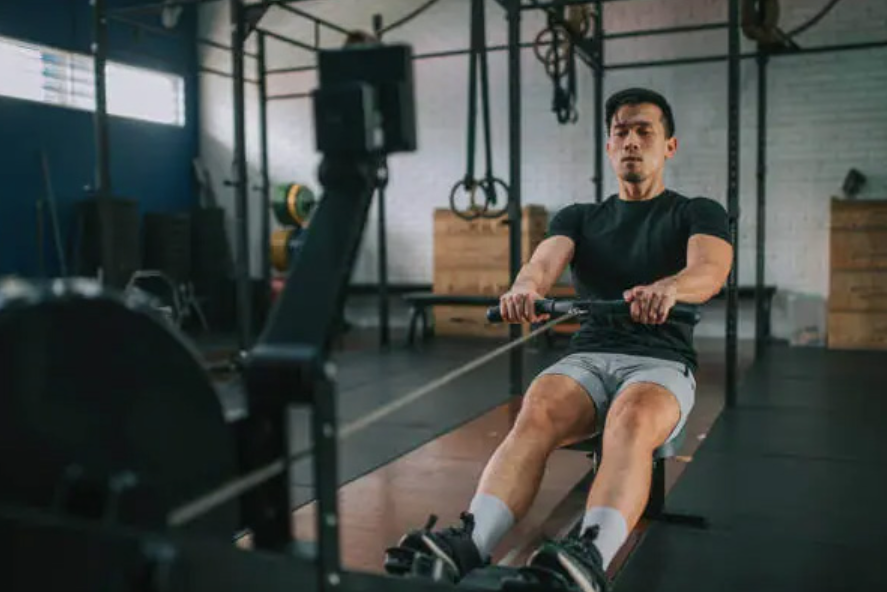
Nutrition supports tissue healing, but training quality matters too. If you are dealing with recurring soreness, stalled muscle strength, or nagging aches, Scottsdale Physical Therapy & Performance can help you figure out why.
A PT evaluation looks at how your body moves during exercise, how you load joints and tendons, and how your program matches your capacity. We also look at volume spikes, form breakdown, and whether a specific tendon or joint is taking more load than it should, including shoulder joints that may be vulnerable to rotator cuff injuries and rehab needs. You will usually get a clear plan that may include:
- Strength testing and movement screening
- Progressive resistance exercise that matches your goals
- Mobility work where it actually matters, not random stretching
- Coaching on technique and training volume, including golf-specific physical therapy and swing rehab if your pain or performance issues show up on the course
- A return-to-activity plan that builds muscle without flaring symptoms
In a performance-focused clinic, we also talk about recovery habits. That can include sleep, stress, and practical guidance on protein intake, along with a reminder that detailed nutrition planning is best done with a registered dietitian and that working with an experienced clinician like Dr. Tyler Sinda at Scottsdale Physical Therapy & Performance can help align your training and recovery strategies.
Prevention and Return-to-Training Tips
If you want better recovery and better results, focus on repeatable basics. Most of these are simple, but they are powerful when you do them consistently.
- Plan your daily protein intake, not just post workout.
- Aim for 20 to 40 grams of protein every 3 to 4 hours if you are training hard.
- Hit at least 30 grams of protein at breakfast if mornings are where you usually fall short.
- Keep protein rich foods available so you can eat on busy days.
- Adjust your training load if soreness is lasting longer than expected, and consider adding stability training for injury prevention so joints handle load more efficiently.
- If pain changes your mechanics, get it checked before it becomes a bigger issue.
Eating protein before exercise may decrease the amount you need to eat after without affecting recovery. That is helpful if you train early and do not love eating right away.
FAQ: Post-Workout Protein Questions We Hear
Do I Need a Protein Shake After Every Workout?
No. A protein shake is a convenient way to consume protein, but whole foods work well too. What matters most is enough protein across the day.
Is 20 Grams Enough After Lifting?
For many people, yes. A dose of 20 grams of protein within the first hour post-workout is often discussed as enough to stimulate muscle protein synthesis, especially for young men and people with moderate body weight.
What If I Am Trying to Lose Weight?
Keep protein high while managing calories. Many do well starting around 0.54 grams of protein per pound, then adjusting based on results, hunger, and activity level.
What About Older Adults?
Older adults may benefit from higher daily protein intake, often in the 1.2 to 1.6 grams per kilogram range. Spreading protein throughout the day can support muscle mass and function.
Is Whey Better Than Food?
Not always. Whey is fast and easy, but high quality protein can come from chicken, dairy like greek yogurt or cottage cheese, and other foods. Choose what fits your body, diet, and schedule.
Brief Medical Disclaimer
This article is for general education and is not medical advice. Protein needs can vary based on individual factors such as activity level, overall health, diet history, and medical conditions. For personalized nutrition planning, especially if you have kidney disease, eating disorders, or complex health concerns, work with your physician and a registered dietitian.
Ready for a Smarter Recovery Plan
If you are training hard but not recovering well, or if pain is limiting your workout, we can help. At Scottsdale PT & Performance, we build practical rehab and performance plans that support your body, your goals, and your schedule.
Book a performance-focused evaluation and let’s map out the next steps for recovery, muscle, and long-term progress.