Physical therapists play a crucial role in diagnosing movement and function-related problems. Unlike medical doctors who diagnose diseases and medical conditions, physical therapists focus on identifying functional impairments that affect mobility and daily activities. Understanding the scope of physical therapy diagnosis can help patients make informed decisions about their care, potentially saving time and resources.
This article explains what physical therapists can and cannot diagnose, how their diagnosis differs from medical diagnosis, and when it is appropriate to consult a physical therapist first versus seeing a doctor.
Understanding Physical Therapy Diagnosis vs. Medical Diagnosis
Yes, physical therapists diagnose but their diagnosis focuses on movement and function problems, not diseases like a physician does.
This distinction matters. When you see a PT, they identify what’s wrong with how your physical body moves, where you have functional limitations, and what’s causing your pain from a movement system perspective. They do not diagnose systemic diseases, infections, or conditions that require medication or surgery to treat.
In Arizona, including Scottsdale, you can see a physical therapist first through direct access for most musculoskeletal and pain issues, with no physician referral required in many cases. Direct access rules and insurance requirements vary, so some plans may still require authorization.
Here’s a quick way to understand the difference:
-
Medical diagnosis (from a physician): “You have a rotator cuff tear” or “lumbar disc herniation.”
-
Physical therapy diagnosis (from a PT): “You have shoulder impingement with limited overhead reach and rotator cuff weakness” or “nerve tension and limited lumbar flexion affecting your ability to sit and lift.”
Both diagnoses are valuable and describe the same problem from different perspectives.
Physical therapists are trained to assess whether your problem is appropriate for physical therapy or whether you need a doctor, imaging, or urgent care instead. If your symptoms suggest something outside PT scope, they will inform you and help direct you to the right next step.
A physical therapy diagnosis focuses on movement system problems such as balance problems:
-
Muscle imbalances
-
Joint stiffness or hypermobility
-
Poor motor control
-
Nerve irritation or tension
-
Faulty loading patterns during activity
Physical therapists are skilled at identifying these underlying issues because their training emphasizes movement science and functional impairments.
Common conditions PTs regularly diagnose functionally include:
-
Mechanical low back pain due to poor load tolerance and core stability deficits
-
Patellofemoral pain syndrome related to hip weakness and knee alignment
-
Shoulder impingement linked to posture and rotator cuff coordination problems
-
Tendinopathies (Achilles, patellar, rotator cuff) tied to training errors and tissue overload
-
Movement dysfunction following surgery or prolonged inactivity
Physical therapists use their functional diagnosis to choose specific hands-on treatments, exercises, and activity modifications. They do not prescribe medications or perform surgeries, as these are outside their scope.
Physical therapists are attentive to signs that may require medical or imaging workup and will refer patients appropriately.
Key differences between medical and physical therapy diagnoses:
|
Medical Diagnosis |
Physical Therapy Diagnosis |
|---|---|
|
Names the disease or structural problem |
Names the movement or function problem |
|
Performed by physicians |
Performed by physical therapists |
|
Guides medication, imaging, surgery decisions |
Guides exercise, manual therapy, activity modification |
|
Answers “what’s damaged?” |
Answers “what’s not working and why?” |
Physical therapists do not replace medical doctors and do not diagnose systemic diseases such as rheumatoid arthritis, heart disease, or infections.
When a patient comes in without a medical diagnosis, a PT can assess, provide a movement diagnosis, begin treatment, and refer to a physician if red flags or unusual findings appear. This approach aligns with evidence-based practice principles emphasizing patient safety and appropriate care coordination.
What Physical Therapists Actually Do (Beyond Just Exercises)
Physical therapists are movement and recovery specialists. Yes, they prescribe exercises, but that is just one part of their comprehensive approach.
At their core, PTs combine assessment, diagnosis of movement problems, and hands-on treatment to help people move better and manage pain without unnecessary interventions.
Here’s what physical therapists work on daily:
-
Evaluating pain, stiffness, and movement limitations
-
Diagnosing movement impairments and functional deficits
-
Designing customized treatment plans based on individual findings
-
Progressing exercise programs as patients improve
-
Preventing future injuries through education and training
-
Helping patients reduce the need for surgery, injections, or long-term pain medications when appropriate
At Scottsdale PT & Performance, the focus is on orthopedic and sports-related pain, post-op rehabilitation, and performance optimization for active adults who want to stay active.
Physical therapists also communicate with other healthcare professionals physicians, surgeons, and specialists to coordinate comprehensive care when needed.
How Physical Therapists Diagnose: The Evaluation Process
So what actually happens when you show up for a PT evaluation? Here’s what a 60-minute initial assessment typically looks like from your perspective.
Step 1: Detailed Conversation About Your History
The PT asks about your symptoms, when they started, what makes them better or worse, your activity level, past injuries, and your goals. This is clinical reasoning in action.
Step 2: Screening For Serious Medical Issues
Before movement testing, the PT asks specific questions to rule out red flags that would require a physician’s attention: unexplained weight loss, night pain that wakes you, fever, numbness in unusual patterns, or bowel/bladder changes.
Step 3: Movement Assessment
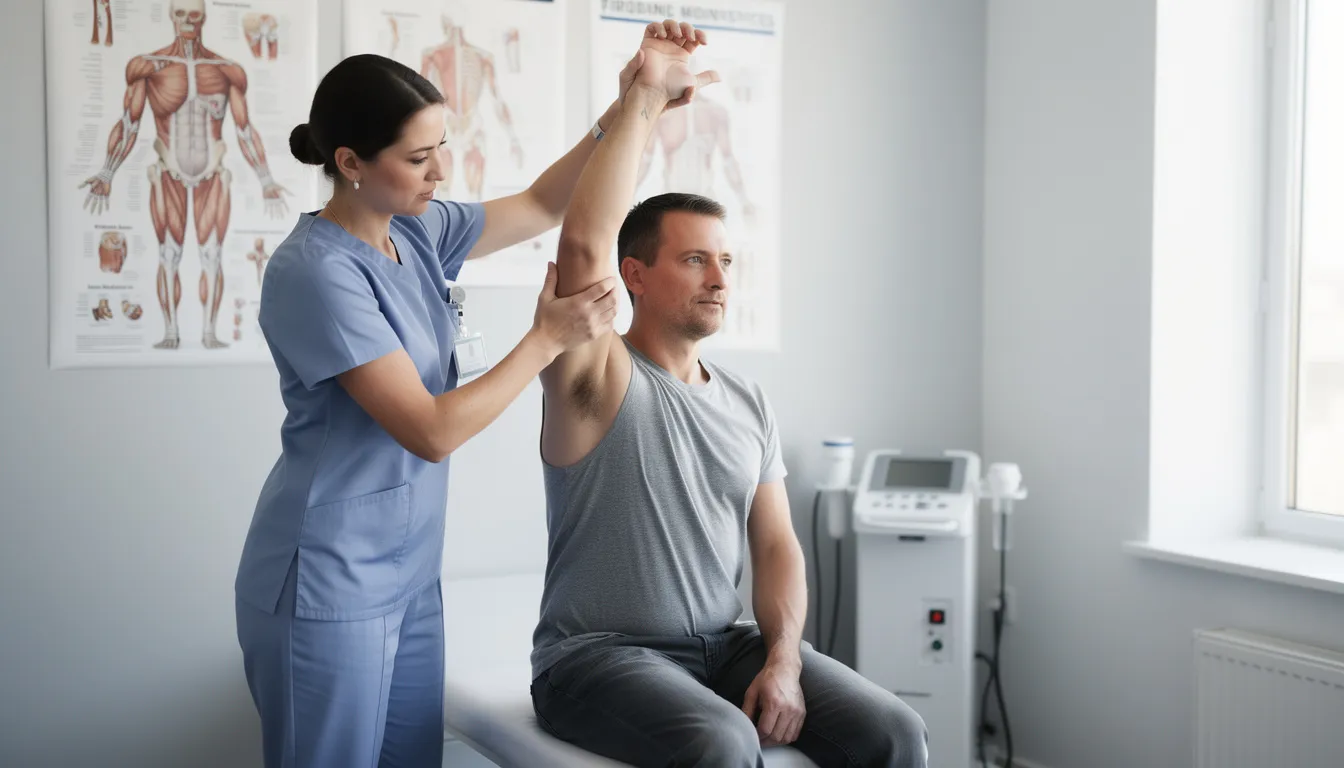
The PT observes your posture, walking, squatting, reaching overhead, or sport-specific motions like a golf swing or running gait. They look for asymmetries, compensations, and pain patterns.
Step 4: Specific Joint, Muscle, And Nerve Testing
This hands-on physical examination includes testing range of motion, muscle strength, joint stability, and special tests to narrow down the source of your symptoms. A neurological screen may be included when nerve involvement is suspected.
Step 5: Functional Testing
Depending on your goals, this might include single-leg balance tests, hop tests, step-down tests, or loaded movements that mimic your sport or daily demands. These tests reveal how your body handles real-world activities.

At the end of the evaluation, the PT explains:
-
What they think is going on (the functional diagnosis in plain language)
-
Why it likely happened (overload, mobility issue, strength deficit, or technique problem)
-
A realistic plan and timeline for improvement
This evaluation is designed to help people who are unsure what’s going on with their pain and want clarity.
What Physical Therapists Can and Cannot Diagnose
Setting clear expectations about PT scope of practice helps everyone. Here’s what’s inside and outside PT diagnostic territory.
What PTs can diagnose:
-
Most musculoskeletal and movement-related pain (sprains, strains, joint pain, tendinopathies)
-
Many overuse and sports injuries (runner’s knee, IT band issues, shoulder impingement, tennis elbow)
-
Post-surgical functional problems (stiffness, weakness, difficulty returning to sport or work)
-
Balance, coordination, and gait issues related to neurological or age-related changes (within their training)
-
Chronic conditions affecting movement when the medical diagnosis is already established
What PTs do not diagnose:
-
Systemic illnesses like cancer, autoimmune disease, or heart and lung conditions
-
Infections
-
Fractures (though they can suspect and refer)
-
Internal organ problems
-
Any condition requiring medication prescription or surgical intervention
Physical therapists are trained to spot warning signs that a condition may not be purely musculoskeletal. These include:
-
Night pain that wakes you and doesn’t change with position
-
Unexplained weight loss
-
Fever or chills
-
Rapidly worsening neurological symptoms
-
Pain that doesn’t fit typical mechanical patterns
If anything appears outside PT scope, you will be referred promptly to the appropriate medical provider, whether that’s your primary care physician, an orthopedic specialist, or emergency care.
Collaborative, team-based care is the norm. Physical therapists in Scottsdale regularly communicate with orthopedists, primary care doctors, and sports medicine physicians about shared patients. This is comprehensive care.
When to Choose Physical Therapy First or See a Doctor First
In Arizona, many patients can legally see a physical therapist without first seeing a physician. This is called direct access, designed to get you faster care for appropriate conditions.
Insurance is a separate consideration. Some plans require referrals or pre-authorization; others do not. Check your specific benefits or call the clinic to help verify.
Consider seeing a physical therapist first when:
-
You have new or recurring back, neck, or joint pain that started with a clear activity (workout, yardwork, sport)
-
You’re dealing with chronic aches that flare with movement but improve with rest
-
You’re having difficulty returning to a sport, gym routine, or hiking after an old injury
-
Your pain doesn’t involve trauma, fever, or unusual systemic symptoms
-
You want to understand what’s causing your movement limitations without waiting weeks for specialist appointments
See a doctor, urgent care, or ER first when:
-
You experienced major trauma, a fall, or a car accident
-
You suspect a fracture or dislocation (severe pain, deformity, inability to bear weight)
-
You have sudden severe headache, vision changes, chest pain, dizziness, or difficulty speaking
-
Your joint is red, swollen, hot, and you have fever
-
Symptoms don’t fit a typical musculoskeletal pattern
Even if you’re not sure where to go, starting with a PT evaluation can help direct you to the right level of care. PTs are skilled at triage.
Starting with PT for many common musculoskeletal issues can be an efficient first step.
How Physical Therapy Helps After a PT Diagnosis
Once the functional diagnosis is established, it becomes the roadmap for treatment. The diagnosis isn’t just a label; it tells the PT exactly what needs to change for you to feel better and function better.
Typical components of a treatment plan:
-
Targeted exercises to address specific weaknesses, stiffness, or control deficits
-
Manual therapy (joint mobilization, soft tissue techniques) to improve mobility and relieve pain when appropriate
-
Movement and technique coaching for lifting, running, golf, or work tasks
-
Gradual loading progressions to rebuild tolerance and confidence in the injured area
-
Balance training and coordination work when needed
-
Education about activity modification and self-management
Real-world examples:
Runner with patellar tendinopathy: Progressive loading program for the tendon, hip strengthening to improve mechanics, stride adjustments, and training load modifications to allow tissue healing while maintaining fitness.
Office worker with mechanical neck pain: Posture awareness and breaks, deep neck flexor training, shoulder blade and upper back strengthening, ergonomic adjustments at the desk, and strategies to manage pain during long work days.
Post-surgical knee patient: Restoring function through progressive range of motion, quadriceps activation, gait training, and sport-specific drills to prepare for return to activity. For further guidance, explore physical therapy exercises after knee surgery.

Progress is measured through function what you can actually do rather than just pain scores. Can you walk further? Sleep better? Return to your sport? Lift your kids without discomfort?
Treatment is collaborative. The PT and patient set goals together, review progress regularly, and adjust the plan as symptoms and capacity change. Effective treatment plans evolve as you improve.
FAQs About PT Diagnosis and Care
Can a Physical Therapist Tell Me Exactly What’s Wrong Without an MRI?
In many cases, yes. Physical therapists often diagnose common musculoskeletal problems based on history and physical examination alone. Imaging is sometimes helpful but not always required, especially for conditions like muscle strains, tendinopathies, and mechanical joint pain. If imaging would change your treatment plan, your PT will recommend it.
What If My Physical Therapist Finds Something Serious?
Physical therapists are trained to spot red flags that suggest a condition may be outside PT scope. If your PT suspects a fracture, infection, systemic disease, or other serious issue, they will refer you to the appropriate physician or emergency care immediately. Your safety comes first.
Is a PT’s Diagnosis “Official” for Insurance or Work Notes?
PT documentation is recognized for physical therapy services and billing. However, some employers or insurance companies may require a physician diagnosis for disability paperwork, work restrictions, or extended time-off documentation. Your PT can communicate with your physician to coordinate this if needed.
How Long Does It Take to Get a Diagnosis in PT?
Most patients leave their first session with a clear working diagnosis and a treatment plan. This diagnosis may be refined as you respond to treatment that is normal and expected. Appointment availability varies, so while some clinics offer same-week or next-day visits, this is not guaranteed everywhere.
Do PTs Need a Doctorate Degree?
Most physical therapists practicing today hold a Doctor of Physical Therapy (DPT) degree, which requires three years of graduate education after completing a bachelor’s degree. PTs are licensed by the state and must pass a national licensure exam. The therapists at Scottsdale PT & Performance are fully licensed and trained in current clinical practice standards.
What’s the Difference Between a Physical Therapist and an Occupational Therapist?
Both are healthcare professionals, but they focus on different things. Physical therapists specialize in restoring movement, mobility, and physical function especially for musculoskeletal and orthopedic issues. An occupational therapist focuses more on helping people perform daily living tasks and adapting activities or environments for those with disabilities or cognitive changes. For sports injuries and orthopedic pain, a physical therapist is typically the right choice.
Brief Medical Disclaimer
This article is for general educational purposes only and does not replace a one-on-one evaluation with a licensed healthcare professional. The information here cannot provide a personal diagnosis or specific medical advice for your individual situation.
If you have sudden, severe, or concerning symptoms, seek immediate medical attention or contact your physician or local emergency services. Scope of PT practice and direct access rules vary by state and insurance plan readers outside Arizona should verify local regulations.
Ready to Get Clarity? Schedule a PT Evaluation in Scottsdale
If you’re dealing with pain, stiffness, or a recent injury and want clear answers, a one-on-one evaluation at Scottsdale PT & Performance is a great next step.
Here’s what you can expect in your first visit:
-
A detailed assessment of your movement, strength, and symptoms
-
A clear explanation of what’s likely causing your problem
-
A customized treatment plan to help you get back to the activities you care about whether that’s golf, running, hiking, playing with your kids, or simply working without pain
Appointment availability varies by clinic and demand. Contact the clinic to inquire about scheduling and whether your specific situation is appropriate for starting with physical therapy.
Starting with physical therapy can be an effective first step for many common musculoskeletal issues, helping you understand your pain and move forward safely.