Sports physical therapy in Scottsdale is where active adults come when surgery feels like the only option left and they are not ready to accept that. A lingering knee injury, recurring shin splints, a sprain that never fully settled, or a strain that flares every time training picks back up can quietly push you away from the sport and the training that defines how you live. At Scottsdale Physical Therapy and Performance, your evaluation and treatment for physical therapy begin on your very first visit, so you leave day one with a clear plan focused on getting you back to sport without going under the knife.
What does Sports Physical Therapy Mean?
Sports physical therapy does more than reduce pain. It checks whether your body can handle the full demands of your sport, from absorbing impact during a run to rotating through a golf swing to decelerating on a court. The American Physical Therapy Association recognizes sports physical therapy as a specialty area, and APTA policy says clinicians may call themselves board-certified specialists only after that certification process is complete. APTA also states that board certification does not add legal rights outside the state practice act, which helps readers judge credentials in a realistic way. General rehab targets daily function, while sports medicine physical therapy asks a harder question: can you perform at the level your sport requires without breaking down again?
Active adults carry a different set of expectations into rehab. They are not measuring success by whether they can walk to the mailbox. They are measuring it by whether they can finish a round of golf, complete a training session, or get through a full game without symptoms creeping back in. We look at the whole body as a performance system, not just the structures that hurt.
Every sports injury affects how the body moves, compensates, and absorbs load during training. When those patterns go unchecked, the original problem tends to resurface under pressure. Sports physical therapy works to correct those patterns early so your body handles sport demands with control, strength, and confidence rather than bracing through pain each session.
How Sports Physical Therapists Help You Avoid Surgery Through Injury Prevention
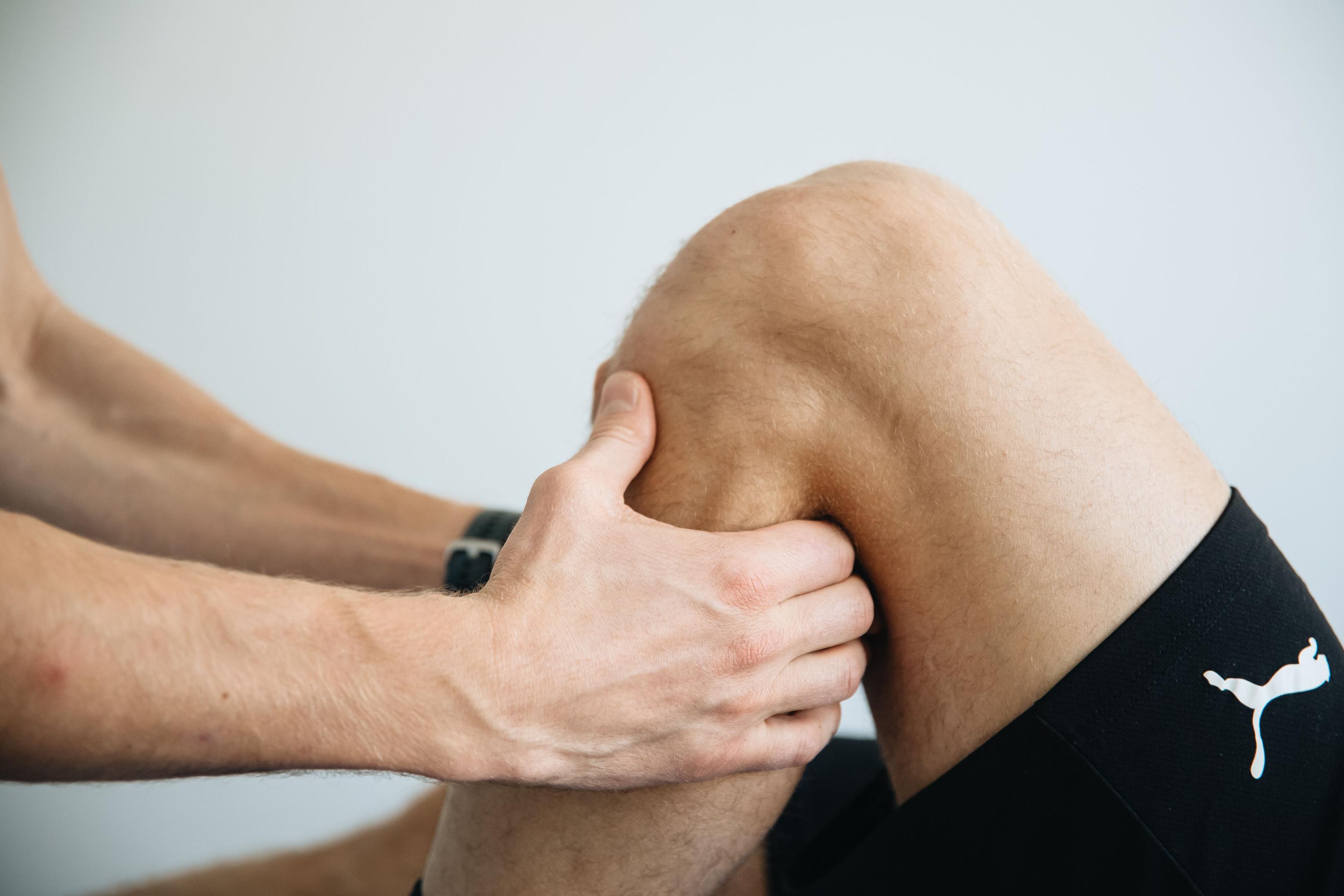
Surgery is sometimes necessary, but many sports related injuries respond well to structured physical therapy before a surgical option ever needs to be discussed. Sports medicine physical therapists assess the injury, the tissue involved, the movement pattern driving the problem, and the sport demands placed on the body to determine whether a non-surgical path is viable. Injury prevention and early rehabilitation are often the deciding factors between an athlete who recovers fully through therapy and one who ends up on an operating table.
-
Knee Injuries: Conditions such as patellofemoral pain syndrome, meniscus irritation, and ligament stress often respond to targeted strengthening, movement correction, and load management before structural damage requires surgical repair. Your physical therapist evaluates knee tracking, hip control, and landing mechanics to address the source rather than masking symptoms.
-
Shin Splints and Stress Reactions: Shin splints that go unmanaged can progress into stress fractures, but caught early, they respond well to load reduction, gait retraining, and a gradual return to running volume. Sports physical therapy intervenes before bone stress reaches a point where rest alone is no longer sufficient.
-
Sprains and Ligament Stress: Ankle and knee sprains are among the most common injuries seen in active adults, and graded rehabilitation that rebuilds proprioception, strength, and joint stability can restore full function without surgical intervention in many cases.
-
Muscle Strains and Tears: Partial muscle tears and chronic strains in the hamstrings, quadriceps, and calf respond to progressive loading protocols that stimulate tissue repair and rebuild tensile strength over time. Returning too fast or without proper guidance is what often turns a manageable strain into a recurring problem.
-
Rotator Cuff and Shoulder Stress: Many rotator cuff injuries, particularly in overhead athletes and lifters, can be managed through targeted therapeutic exercises that restore shoulder mechanics, reduce inflammation, and rebuild the strength needed to perform without pain.
-
Tendon Overuse Conditions: Patellar tendinopathy, Achilles tendinopathy, and similar overuse conditions are well-supported by evidence for non-surgical management through eccentric loading programs, activity modification, and education on training load.
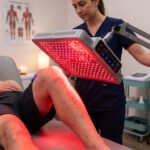
The methods we use to support non-surgical recovery are built around sports performance and recovery. This includes full-body musculoskeletal assessment, prescribed fitness programs, VALD-powered strength and movement testing, therapeutic exercises, manual therapy, sport-specific conditioning protocols, and ongoing education so you understand every step of your recovery. Every method serves a dual purpose: injury recovery and performance enhancement, because getting back to sport at a diminished level was never the goal.
When to Start Sports Physical Therapy After an Injury
Starting sports physical therapy early gives the injured area the best chance at full recovery without complications building up over weeks of unguided training. The longer you wait, the more compensation patterns set in and the harder it becomes to restore the movement quality your athletic performance depends on. If any of the following situations sound familiar, your injury recovery should start now.
Pain in the Injured Area That Changes How You Move
When pain starts altering your gait, your swing, your lift, or your landing pattern, the body is compensating in ways that raise risk across other joints and tissues. That is the point where sports physical therapy and specialized training protocols need to step in before a secondary problem develops.
Symptoms That Return Every Time Training Volume Climbs
Recurring shin splints, tendon flare-ups, or joint soreness that reappears when you push harder signal a load tolerance problem that rest alone will not fix. Structured athletic training and progressive loading through physical therapy address the root cause rather than the symptom.
Performance Goals Slipping Despite Consistent Training
When you are putting in the work but your performance goals keep moving further away due to pain or limited motion, a physical therapy evaluation can identify the gap between where you are and where your body needs to be.
Inability to Stay Active at Your Normal Training Level
Dropping sessions, skipping sport, or scaling back significantly to manage symptoms means the injured area is dictating your schedule. Sports physical therapy helps you stay active through a modified but purposeful program while recovery progresses.
Questions About Equipment Recommendations and Training Setup
Sometimes the contributing factor is external. Equipment recommendations around footwear, bracing, lifting belts, or sport-specific gear can form part of your care plan when the assessment shows that equipment is contributing to the load problem.
Access to Advanced Technology for Smarter Recovery
At Scottsdale Physical Therapy and Performance, we use advanced technology through our VALD partnership to measure strength, track movement, and assess injury risk so your return to sport is guided by data rather than estimation.
Who Benefits Most From Sports Physical Therapy
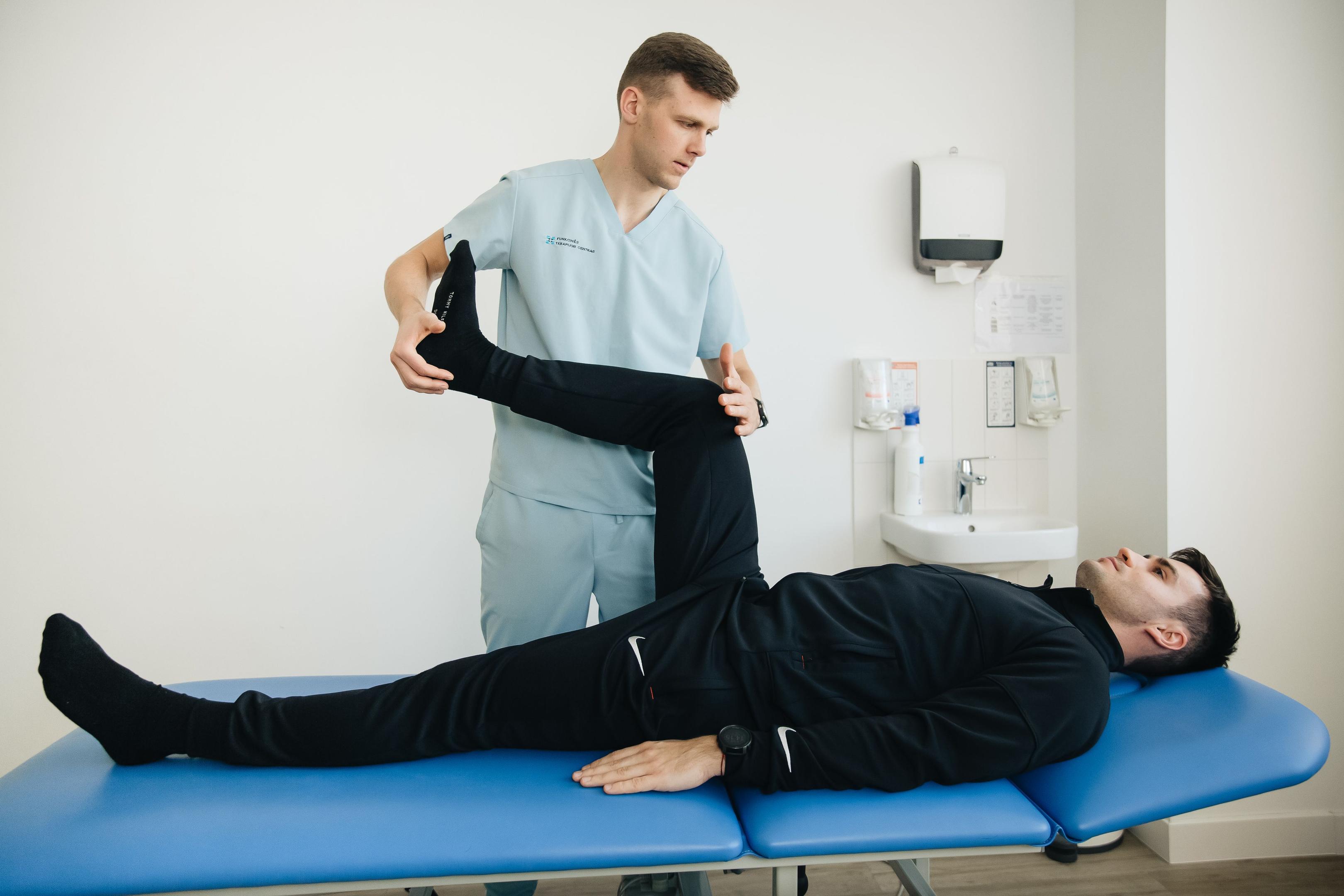
Sports medicine physical therapy works best for people who are not willing to accept surgery as the only option. Active adults across Scottsdale who want to return to sport, stay competitive, and reclaim their ability to train at the level they expect of themselves are exactly who this care is built for. Additionally, anyone whose injured area has begun limiting their range of motion, endurance, or daily training life will find more direction here than in a generic rehab setting.
Professional Athletes and Competitive Adults
Professional and competitive individuals need a return-to-sport plan that holds up under the full demands of competition, not just a quiet pain score at rest. Sports medicine physical therapy rebuilds the strength, motion, and endurance required to perform at that level again.
Weekend Warriors
The weekend warrior pushes hard on limited recovery time and often ends up injured when training load outpaces preparation. Rehab builds the range, endurance, and movement quality needed to stay in the game across the full season of life.
Golfers
Golfers deal with rotational stress that compounds across rounds and years. Sports medicine physical therapy restores the hip mobility, spinal control, and lower body strength that keep the swing consistent and the body out of pain.
Runners and Endurance Athletes
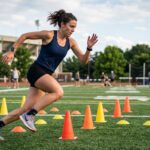
Runners who want to return to full mileage without repeating the same injury cycle benefit from a structured plan that checks mechanics, builds load tolerance, and restores the endurance base that pain has eroded.
Lifters and Gym Enthusiasts
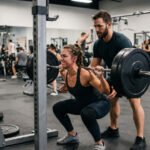
Lifters who refuse to stop training need a rehab plan that works around their sport rather than against it. Sports medicine physical therapy identifies the fault driving the pain, prescribes the right exercises, and builds strength progressively so the injured area catches up to the demands being placed on it.
FAQs
Can sports physical therapy help me return to sport without surgery?
Sports physical therapy gives active adults a structured path to reduce pain, restore function, and test whether rehab can get them back to sport before surgery needs to be considered. A staged return-to-sport plan consistently produces better long-term outcomes than rushing back or resting completely. Surgery still has a place in some cases, and your evaluation helps determine whether a non-surgical path makes sense for your specific injury and sport demands.
What happens at the first sports physical therapy visit?
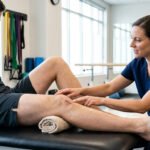
At Scottsdale Physical Therapy and Performance, your first visit includes a full evaluation and treatment. Your physical therapist reviews your symptoms, movement limits, sport demands, and recovery goals, then begins treatment the same day. You leave with a clear picture of your injury and the first phase of your care plan.
How long does physical therapy take after sports injuries?
Phase I at our clinic typically runs 8 to 12 sessions across 3 to 9 months with weekly one-hour follow-up visits. Actual recovery time depends on the sport, the injured tissue, the severity of symptoms, and how the body responds to load progression. Return to sport should rest on function and sport readiness rather than the calendar, which is why we track your progress with every visit.
Do I have to stop training during sports physical therapy?
Most active individuals continue some form of training during sports physical therapy with modifications that protect the injured area while keeping the body working. Sports rehab research supports graded participation over full rest because maintaining fitness and movement during recovery tends to produce faster and more durable return to sport outcomes. Our team evaluates what you can keep doing and builds a plan that keeps you as active as your recovery safely allows.