Most hip flexor strains heal fully with the right approach, and surgery is rarely needed. However, recovery time varies quite a bit depending on the severity of the injury and how you manage those first few weeks.
Typical Timeline by Grade
- Grade 1 (mild strains): About 1-2 weeks to feel mostly normal, though some tightness may linger for several weeks.
- Grade 2 (moderate strains): Typically 3-6 weeks before comfortable day-to-day activity, with 6-8+ weeks before returning to high-intensity sports.
- Grade 3 (severe strain or complete tear): Often 8-12+ weeks, sometimes longer if there’s a significant tear or other injury that changes the plan.
What Changes the Timeline?
Recovery depends on factors such as the severity of the strain, how quickly you modify activity, age and overall health, baseline hip and core strength, flexibility, previous injuries, and quality of treatment. Returning to activity too soon can increase the risk of reinjury, which is common when recovery is rushed.
In this article, we’ll walk through typical healing timelines, what’s actually happening in your hip muscles when they strain, what affects how quickly you bounce back, and practical steps you can take at home and with physical therapy to get moving again.
What to Expect Week by Week During Hip Flexor Strain Recovery
While the grade of your strain sets a general timeline, here’s what the recovery journey often feels like in real life:
- Week 1-2 (mild strains): You’ll notice mild pain and hip flexor muscle tension, but walking and daily activities remain manageable. Some tightness may persist, but it usually improves steadily.
- Weeks 3-6 (moderate strains): Day-to-day activities become more comfortable, but you may still feel moderate pain and weakness during more demanding movements like stairs, running, or kicking. Strength and flexibility gradually improve with guided exercises.
- Weeks 7-12+ (severe strains): Pain and weakness are significant early on, limiting running or lifting. Recovery involves structured rehab, and progress can be slower. Some cases may require additional medical intervention.
At our Scottsdale clinic, we see variations within these ranges based on age, sport, prior injury history, and adherence to treatment. A 35-year-old runner with no previous hip injury and excellent hip and core strength may recover faster than someone in their 50s with a history of low back issues.
The rest of this article covers what’s happening inside a strained hip flexor, common causes, symptoms to watch for, at-home relief strategies, and how physical therapy can help you return to the activities you love safely and efficiently.

What’s Actually Happening in a Hip Flexor Strain?
A hip flexor strain occurs when the muscle fibers that lift your knee and bend your hip get stretched beyond their capacity resulting in small to significant tears within the tissue.
The hip flexor muscles sit at the front of the hip, just below the belt line and extending toward the upper thigh. The key players include:
- Iliopsoas (the psoas major muscles combined with the iliacus) the deepest and often most affected
- Rectus femoris part of your quadriceps that also crosses the hip joint
- Sartorius the longest muscle in the body, running diagonally across the thigh
When these muscles responsible for hip flexion are overloaded, the resulting strain gets classified by severity:
- Grade 1: Microscopic tearing of muscle fibers. You’ll feel soreness and tightness, but usually no major limp. Most people can still walk normally, though quick movements may cause mild pain.
- Grade 2: Partial tear with clear pain, weakness, and noticeable difficulty with stairs, running, or kicking. Hip flexor pain felt during these activities often limits what you can do comfortably.
- Grade 3: Near-complete or complete muscle tear. Sharp pain at the moment of injury, major weakness, and often an inability to run or lift the leg easily. A visible muscle bulge or dent may appear in severe cases.
How the Body Heals
Your body repairs a hip flexor injury through three overlapping phases:
- Inflammation (first few days): Blood flow increases to the area, bringing healing cells. Swelling and tenderness are normal during this window.
- Repair (several weeks): New tissue forms to bridge the torn muscle fibers. This tissue is initially fragile and needs protected loading.
- Remodeling (weeks to months): The new tissue gradually strengthens and aligns with proper loading and movement.
Here’s what matters most: how you move and load the hip during each phase strongly impacts your recovery time and risk of future injuries. Too much rest leads to weakness and stiffness. Too much activity too soon can re-tear healing tissue.
What Affects Hip Flexor Strain Recovery Time?
Two people with the same grade of hip flexor strain can have very different recovery experiences. A runner training for a spring half marathon may need 6-8 weeks of careful progression, while a desk worker who plays recreational soccer once a week might return to light activity in 3-4 weeks.
Several factors influence how long it takes to heal a strained hip flexor:
- Severity/grade of strain: Higher grades mean more tissue damage, longer healing, and more structured rehabilitation.
- How quickly you modify activity: Stopping sprinting, kicking, or deep lunges early versus training through pain makes a significant difference. Immediate treatment with activity modification often shortens recovery by weeks.
- Age and overall health: Healing tends to slow with age. Diabetes, smoking, poor sleep, and high stress can all extend timelines.
- Hip and core strength: Better baseline strength in the surrounding muscles often translates to faster, more complete recovery.
- Flexibility and mobility: Very tight muscles or a stiff low back can prolong symptoms and make the hip flexor area work harder than it should.
- Previous hip or groin injuries: Scar tissue and prior strains may slow this recovery and increase reinjury risk.
- Treatment quality: A structured rehab plan usually lowers setback risk versus resting and guessing when to ramp up.
Common Myths That Can Delay Healing
- “Stretch as much as possible”: Aggressive stretching early on can actually irritate healing tissue. Gentle stretching exercises after the first few days work better.
- “Just rest for a few weeks and it’ll fix itself”: Complete rest leads to muscle weakness and stiffness. Controlled, progressive loading helps tissue heal stronger.
Both under-loading and over-loading can delay your return to physical activity.
Common Causes of Hip Flexor Strains in Active Adults
Hip flexor strains are common among runners, golfers, gym-goers, and weekend athletes especially those in their 30s through 60s who balance desk jobs with active hobbies.
The hip flexors handle a lot of repetitive movements and sudden loading, making them vulnerable when conditions aren’t ideal.
Common causes include:
- Sudden sprinting or acceleration: Chasing a ball, a quick burst to first base, or an unexpected sprint for the crosswalk can overload the hip flexors before they’re ready.
- High kicking or explosive change of direction: Soccer, pickleball, tennis, and martial arts all involve movements that stress these muscles through large ranges of motion.
- Rapid increase in training volume or intensity: Adding hills, speed work, or heavy squats too quickly is a frequent culprit. The tissue simply can’t adapt fast enough.
- Muscle fatigue at the end of a workout or game: Tired muscles don’t absorb force as well, leading to sloppy mechanics and strain.
- Prolonged sitting followed by intense workouts: Eight hours at a desk leaves hip flexors tight and under-prepared. Jumping into evening sprints or heavy lifts without adequate warm-up creates vulnerability.
- Previous hip, groin, or low back issues: Altered movement patterns can shift extra load onto the hip flexors.
- Muscle imbalances: Weak glutes or core muscles force the anterior hip to work overtime, increasing strain risk.
In Scottsdale, we also frequently see hip flexor strains in golfers from aggressive follow-through rotation and in hikers tackling steep uphill climbs on local trails.
These are possible contributors, not single definite causes most strains result from a combination of factors.
Hip Flexor Strain Symptoms and What They May Mean
Hip flexor strain symptoms can range from mild discomfort to intense pain that limits walking. While symptoms alone can’t definitively grade the injury, they provide useful clues about what’s happening.
Common symptoms and what they often suggest:
- Sharp pain in the front of the hip or groin when lifting your knee or stepping quickly: This is the classic presentation for hip flexor involvement.
- Pain when jogging, sprinting, kicking, or doing sit-ups/leg raises: These motions demand significant work from the hip flexors.
- A pulling or “catching” feeling when getting out of a car or low chair: The hip flexor area is working through a stretched position under load.
- Tenderness to touch along the front of the hip crease or upper thigh: Direct palpation often reproduces the familiar pain.
- Mild limp or shortened stride on the injured side: Your body naturally protects the strained muscle by limiting range of motion.
- Bruising or visible swelling: More common in moderate to severe strains, these signs often indicate a higher-grade hip flexor tear.
- Feeling of weakness or giving way when trying to sprint or climb stairs: Suggests more significant muscle fiber damage.
Other Conditions That Can Cause Similar Pain
Hip pain in the front of the hip doesn’t always mean a hip flexor strain. Similar symptoms can come from:
- Labral tears in the hip joint
- Hip joint arthritis
- Sports hernia
- Low back referral
This overlap is why a detailed assessment including a clinical exam and movement assessment is valuable when symptoms don’t match a straightforward strain pattern.
When a Hip Flexor Strain Might Be More Serious (Red Flags)
Most hip flexor strains respond well to conservative care. However, certain signs suggest it’s worth getting same-day medical evaluation rather than waiting to see if things improve.
Watch for these red flags:
- Sudden, severe pain with an audible pop and immediate inability to bear weight: This may indicate a complete tear or other serious hip injury.
- Large, rapidly spreading bruising or a visible dent/defect in the front of the hip or thigh: Could suggest significant muscle damage or avulsion.
- Fever, chills, or feeling ill along with hip pain and warmth/redness over the area: These symptoms suggest possible infection, not a simple muscle strain.
- Significant hip or groin pain after a fall or trauma, especially if you’re over 50: Important to rule out fracture or serious joint injury.
- Numbness, tingling, or weakness extending below the knee: May indicate nerve involvement requiring prompt evaluation.
- Inability to walk more than a few steps even after 24-48 hours of rest: Suggests the injury may be more severe than a typical strain.
If you’re experiencing any of these, seek care at urgent care, an emergency room, or contact your physician promptly. Don’t try to manage these situations at home.
At-Home Relief and What to Do in the First 1-2 Weeks
Many mild to moderate hip flexor strains improve significantly with smart early management. Complete bed rest is rarely necessary and can actually slow recovery by promoting stiffness and weakness.
Immediate Steps (First 48-72 Hours)
- Relative rest: Avoid sprinting, cutting, deep lunges, and painful leg raises. Easy walking is usually fine if it doesn’t worsen symptoms. The goal is to reduce swelling and pain while maintaining some gentle movement.
- Ice to reduce pain and swelling: Apply for 10-15 minutes at a time, several times per day, especially after activity. Wrap ice in a towel to protect your skin and minimize swelling effectively.
- Gentle, pain-free range of motion: Short, easy steps and small hip circles help prevent stiffness without stressing healing tissue.
After the First Few Days
- Introduce light hip flexor stretch and mobility work: Pain-free holds of 20-30 seconds for hip flexors, glutes, and hamstrings. A standing hip flexor stretch or kneeling position works well for most people. Don’t force through pain.
- Begin gentle activation exercises: Pain-free bridges with knees bent, mini-squats, and isometric hip flexion holds help relax tight muscles while rebuilding strength.
- Keep walking comfortable: Short distances on flat ground. Avoid “testing it” with sprints, hills, or sudden movements that could setback progress.
Additional Considerations
- Over-the-counter pain relief: Short-term use of NSAIDs like ibuprofen may help alleviate pain and reduce inflammation if appropriate for you. Avoid prolonged use unless guided by a clinician. Acetaminophen can help relieve pain but does not reduce inflammation. Follow package directions and consult a physician if you’re unsure about appropriate use, especially beyond 7-10 days.
- Heat therapy: After the initial inflammatory phase (typically 48-72 hours), gentle heat can help promote blood flow and relax tight muscles.
- When to seek professional help: If hip pain is still limiting daily life after 7-10 days, or if you’re unsure how hard to push activity without causing a setback, a physical therapy evaluation can provide clarity and a structured path forward.
How Physical Therapy Helps Hip Flexor Strain Recovery
At Scottsdale PT & Performance, our approach starts with understanding exactly what’s happening with your hip or with other conditions, such as plantar fasciitis physical therapy and building a stepwise plan tailored to your sport, work demands, and activity goals.
The Assessment Process
- Thorough movement evaluation: We watch you walk, squat, stand on one leg, and perform sport-specific motions to see how your hip, core, and low back are working together. This reveals compensation patterns that may have contributed to your strain.
- Strength and flexibility testing: We assess your hip flexors, glutes, hamstrings, core, and the opposite leg to spot muscle imbalances that could prolong recovery or increase reinjury risk.
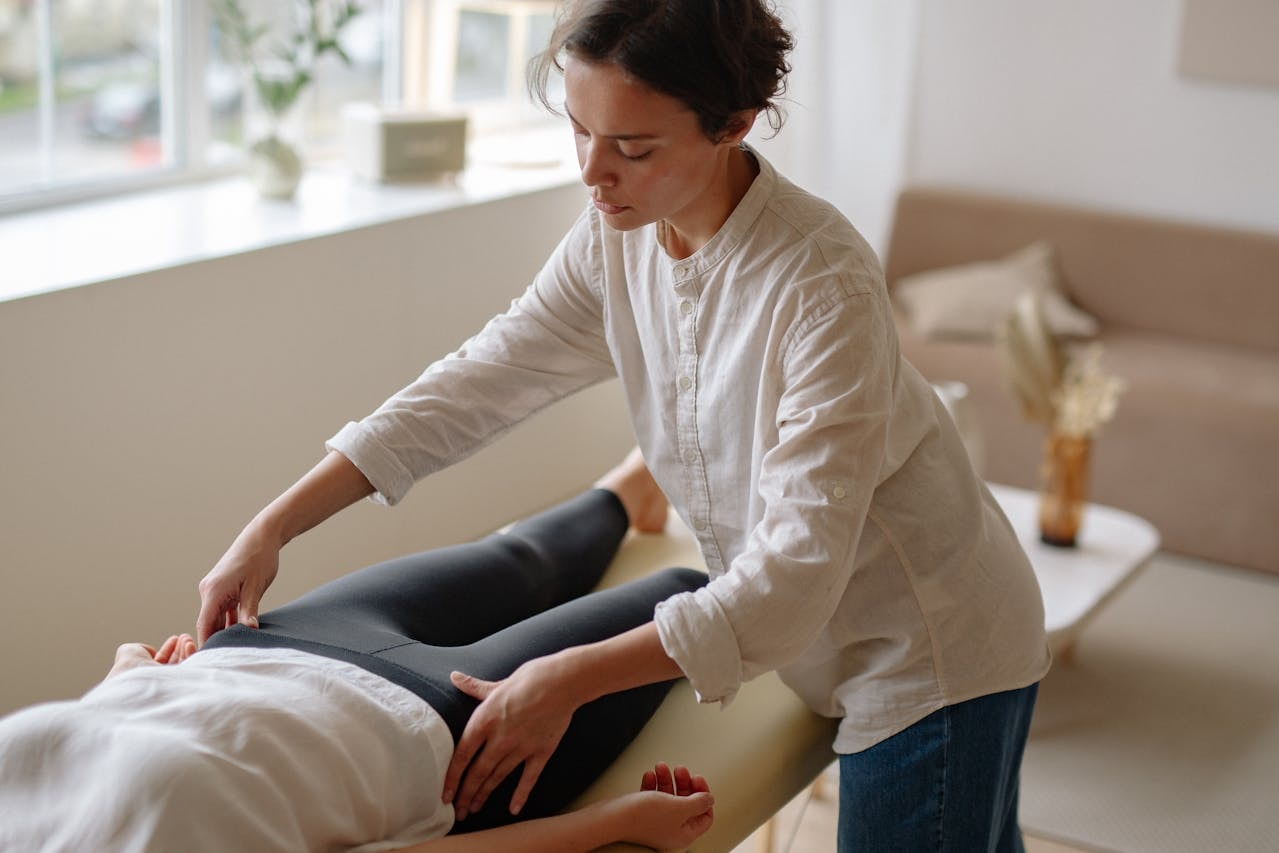
- Hands-on treatment as needed: Soft tissue work and joint mobilization may be used to reduce pain and improve mobility, enabling better participation in strengthening and movement retraining.
Progressive Exercise and Loading
The key to shortening hip flexor strain recovery time is proper dosage the right exercises, at the right intensity, progressed at the right time:
- Early phase: Gentle isometrics, low-load bridges, core stability work, and pain-free range of motion drills. The focus is protecting healing tissue while preventing deconditioning.
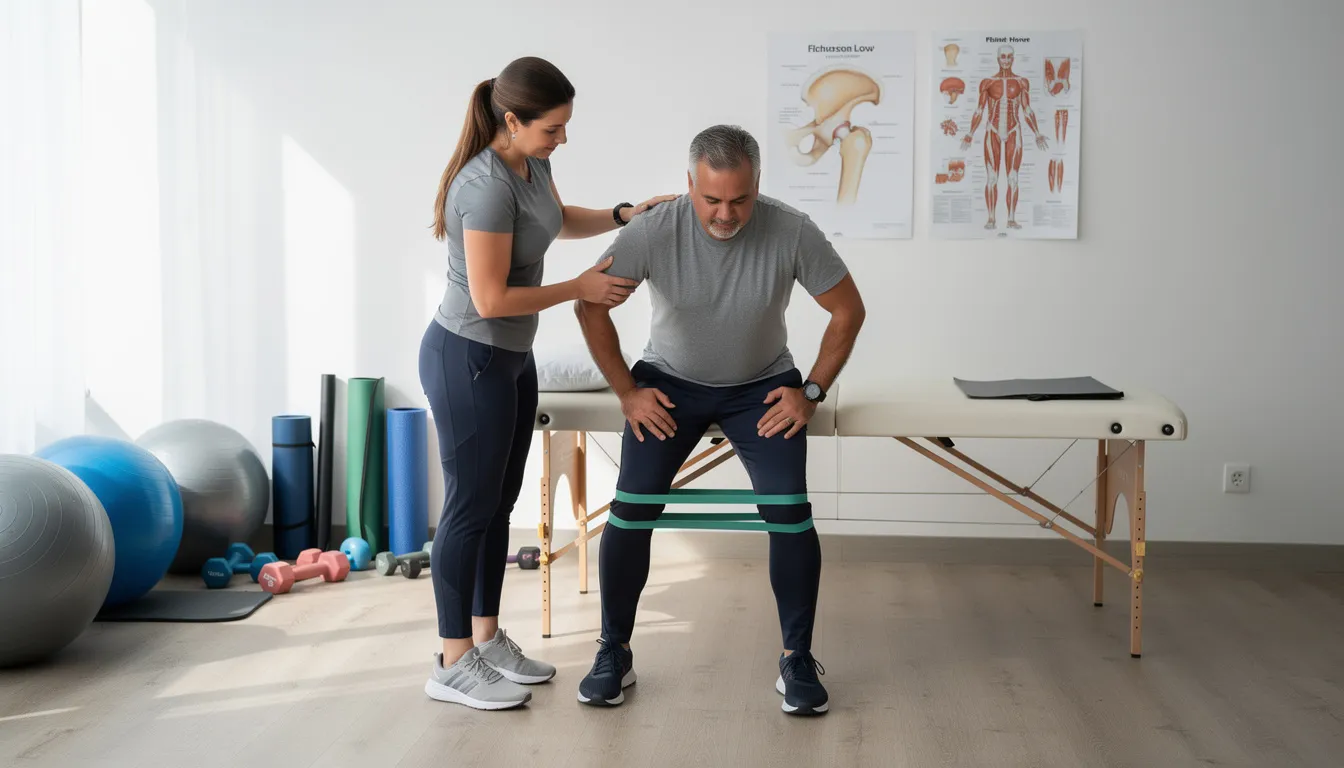
- Middle phase: Targeted hip flexor strengthening exercises, controlled step-ups, light resistance band work, and single-leg stability training. We rebuild strength and control through progressive loading.
- Late phase: Running progressions, cutting and agility drills, and sport-specific patterns. For a soccer player, that means kicking. For a pickleball enthusiast, lateral movement. For a runner, hill work and tempo runs.
Why Dosage Matters
A physical therapist’s role goes beyond prescribing exercises. We determine how many reps, how often, and when to move to the next level so you can safely treat hip flexor strain without the trial-and-error that leads to setbacks.
For active adults in Scottsdale, treatment typically involves 1-2 visits per week initially, tapering as progress and self-management skills improve. A structured rehab plan usually lowers setback risk versus resting and guessing when to ramp up.
Returning to Running, Lifting, and Sport After a Hip Flexor Strain
Pain going away doesn’t mean you’re ready for full activity. Strength, control, and tissue tolerance all need to be restored before you return to demanding physical activity.
Benchmarks Before Returning
- Pain-free range of motion comparable to the uninjured side
- Near-normal strength on the injured side, within about 90% of the other side on your key movements (as a guideline, not a rule)
- Ability to tolerate sport-specific movements without pain or instability
Mild discomfort that settles within 24 hours is usually okay, but sharp pain or next-day worsening is a sign to scale back.
Phased Return Guidelines
For runners: Foot & Ankle Exercises for Runners | Injury Prevention Guide
- Start with walk-jog intervals on flat ground (1 minute jog / 2 minutes walk)
- Train 2-3 days per week initially
- Progress distance and intensity gradually over 2-4 weeks
- Add hills and speed work only after straight-line running is comfortable
For lifters:
- Reintroduce squats, lunges, and deadlifts at lighter loads
- Use shallow depth initially with high focus on maintaining posture and form
- Progress load gradually, increasing week to week if pain-free
For court and field sports:
- Begin with straight-line drills at moderate intensity
- Add controlled change of direction before reactive movements
- Play at reduced intensity before returning to full games or competition
Prevent Future Injuries
To prevent hip flexor strains from becoming a recurring problem:
- Regular dynamic warm-up: Leg swings, marching, and light lunges before every workout to prepare the hip joint and surrounding muscles
- Ongoing hip and core strengthening: 2-3 days per week, targeting glutes, core, and hip flexors
- Avoid big jumps in training volume and intensity: Increase gradually week to week to give tissue time to adapt
- Address poor posture: Prolonged sitting creates tight muscles that are more vulnerable to strain
Hip Flexor Strain Recovery Time FAQ
These are questions we hear regularly from active adults in our clinic.
Can I Walk on a Strained Hip Flexor?
Yes, if walking is pain-controlled and not making symptoms worse. Easy walking actually helps promote healing by encouraging blood flow and preventing stiffness. If you’re limping heavily, reduce distance and consider getting an evaluation to understand what you’re dealing with.
Is It Okay to Stretch a Hip Flexor Strain?
Gentle stretching is usually helpful after the first few days, but aggressive stretching early on can slow healing by irritating damaged tissue. Focus on pain-free holds of 20-30 seconds. If stretching causes sharp pain, back off and try again in a few days.
Why Does My Hip Flexor Still Feel Tight Weeks Later?
Persistent tightness often stems from protective muscle guarding or underlying weakness not just flexibility problems. Targeted strengthening exercises plus mobility work usually help more than stretching alone. This is where working with a physical therapist can clarify what’s actually limiting you.
Will a Hip Flexor Strain Come Back?
Recurrence is common if you return to full speed without restoring strength, control, and proper training load. Physical therapy focuses specifically on reducing this risk through progressive loading and addressing the factors that led to your initial injury.
Do I Need an MRI for a Hip Flexor Strain?
Imaging is usually reserved for severe cases, suspected complete muscle tear, or when symptoms don’t improve despite proper care. Most hip flexor strains diagnosed through clinical examination respond well to conservative treatment without imaging. Your physical therapist or physician can help determine if imaging would change your treatment plan.
How Long Until I Can Run Again?
For mild strains, light jogging may be possible within 2-3 weeks. Moderate strains typically require 4-6 weeks before running feels comfortable. The key is hitting functional benchmarks pain-free range of motion, near-normal strength, and tolerance to sport-specific movements before progressing to running.
Medical Disclaimer
This article is intended for general education for adults experiencing hip pain and is not a substitute for an in-person medical evaluation. Recovery timelines and suggestions provided here are approximations based on typical presentations individual experiences vary.
Please consult your physician or a licensed physical therapist for diagnosis and a personalized treatment plan, especially if symptoms are severe, persistent, or worsening. Acute injuries with red flag symptoms warrant prompt professional evaluation.
Ready to Get Moving Again? Hip Flexor Help at Scottsdale PT & Performance
If you’re dealing with hip flexor pain that’s limiting your running, lifting, golf game, or weekend activities, you don’t have to figure it out alone.
At Scottsdale PT & Performance, we help active adults get back to the activities they love through thorough assessment, personalized treatment, and a clear step-by-step plan. Every visit includes hands-on care, a progressive home program, and guidance on when and how to safely return to training.
Ready to take the next step? Call our clinic or request an appointment through our website to schedule your evaluation.
You don’t have to guess about your hip flexor strain recovery time. With the right plan and guidance, you can return to activity with confidence and stay there.