Recovery from peroneal tendonitis varies depending on severity and how quickly treatment begins. Many people start feeling noticeably better within a few weeks, but full recovery meaning restored tendon capacity and return to sport often takes longer. Typical timelines include:
- Mild cases (early detection): 2–4 weeks to reduce pain and resume normal walking with activity modification and treatment.
- Moderate cases (symptoms for several weeks): Around 6–8 weeks for significant healing with consistent conservative care.
- Chronic or long-standing cases (3+ months): Often 3–6 months or more of structured rehabilitation to regain full tendon health and function.
- Surgical cases (for tears or subluxations): Recovery includes weeks of immobilization plus months of rehab before full activity.
What’s Actually Happening With Peroneal Tendonitis?
Understanding what’s going on beneath the skin helps explain why recovery takes time and why certain activities make things worse. The good news: this is a condition that generally responds well to the right approach.
- The two peroneal tendons (peroneus longus and brevis) run along the outside of your lower leg, wrap behind the outer ankle bone (the fibula), and attach into the midfoot and underside of your arch.
- These tendons work to stabilize your ankle, especially during side-to-side movements, and help control your foot when walking on uneven surfaces like the desert trails and gravel paths common around Scottsdale.
- Peroneal tendonitis is irritation and micro-tearing of these tendons or their surrounding tendon sheath, usually from repetitive overload rather than one specific “bad step.” It is usually the result of overuse, but it can also happen suddenly due to an acute ankle injury like a sprain.
- There’s an important distinction: tendonitis refers to more acute inflammation (newer, often more painful), while tendinopathy or tendinosis describes a more chronic, thickened tendon that develops over time and typically takes longer to heal.
- The longer the tendon has been irritated and thickened before treatment begins, the longer recovery tends to take which is why early intervention matters.
- Pain from peroneal tendonitis is often worse with activity and improves with rest.
Typical Peroneal Tendonitis Recovery Timelines
Many patients begin to feel noticeably better meaning reduced pain and improved walking ability within 2 to 3 weeks of consistent treatment. This early improvement is encouraging but does not mean the tendon has fully healed or is ready for full sports activity.
If Symptoms Are New (Less Than 2–3 Weeks)
With prompt activity modification and a structured treatment plan, mild cases often see significant pain reduction and return to normal walking within 2–4 weeks. This timeline reflects calming inflammation and beginning tendon healing. For more details, see Achilles tendonitis recovery time.
If Symptoms Have Been Hanging Around (Several Weeks)
For moderate cases where symptoms have persisted for several weeks, recovery often extends to around 6–8 weeks with consistent conservative treatment including physical therapy. This period allows for healing of tendon tissue and gradual restoration of strength and function. Most peroneal tendon injuries are treated nonoperatively, with rehabilitation consisting of ankle-specific exercises to stretch and strengthen the peroneal tendons.
If There Is a Tear or Subluxation (Surgical Cases)
More severe injuries such as partial or complete tendon tears or tendon subluxation may require surgery, depending on the severity of the injury, the level of ankle instability, and how well the condition responds to conservative rehabilitation.. Surgery for peroneal tendonitis may involve tendon repair or tendon debridement. Post-surgical recovery involves 4–6 weeks of protected weight bearing in a cast or boot, followed by several months of rehabilitation. Return to full activity may take approximately 12 weeks or longer depending on the individual case.
What Changes the Timeline?
These timelines assume:
- You modify activities to avoid further tendon irritation.
- You consistently perform prescribed home exercises and follow your treatment plan.
- You receive guidance from a physical therapist or foot and ankle specialist.
- Wearing supportive footwear and using custom orthotics can reduce stress on the peroneal tendons, aiding recovery.
Recovery may be slower if:
- Symptoms have been present for a long time before treatment.
- There is a history of repeated ankle sprains or chronic ankle instability.
- You have foot types such as high arches or hindfoot varus that increase tendon stress.
- You smoke or have other health conditions that may impair healing. Smoking reduces blood flow and significantly impairs tendon healing.
- Older adults may heal more slowly from tendon injuries due to reduced blood supply and cellular activity.
- Nutrition is inadequate, although supportive nutrients like protein and vitamin C can help collagen production during recovery.
- Mild inflammation heals faster than tendon tears or ruptures.
- For chronic cases of peroneal tendonitis, symptoms may persist for up to a year if not effectively treated.
Do You Need Imaging?
In many cases, a thorough physical exam can identify peroneal tendonitis without immediate imaging. However, imaging such as X-rays, MRI, or ultrasound may be recommended if:
- Pain is severe or worsening despite treatment.
- There is suspicion of tendon tear, subluxation, or rupture.
- Other conditions like fractures, rheumatoid arthritis, or nerve involvement need to be ruled out.
- Symptoms do not improve after several weeks of conservative care.
Your physical therapist or healthcare provider can help determine if imaging is appropriate based on your clinical presentation.
Common Mistakes That Slow Peroneal Tendonitis Recovery

Here’s a checklist of what to avoid if you want to get back to your activities in weeks rather than months:
- Returning to running, tennis, or pickleball at full intensity as soon as pain decreases. A reduction in pain does not necessarily mean the tendon has fully healed, and jumping back too quickly can cause setbacks or worsen peroneal tendon injuries.
- Running hills or trails because “it only hurts a little.” Uneven terrain increases peroneal muscle demand and may prolong irritation, worsening symptoms of peroneal tendonitis.
- Walking long distances on uneven surfaces too early. These should be reintroduced gradually, not immediately, to avoid aggravating foot or ankle pain.
- Skipping strengthening and balance exercises once pain improves. Stopping rehab early often leads to re-injury or may increase the risk of a peroneal tendon rupture.
- Ignoring tight calf muscles and poor ankle mobility, which can increase load on the peroneal tendons and delay proper healing.
- Wearing worn-out running shoes or unsupportive footwear such as flip-flops or flat sandals during recovery, which can hinder the right peroneal tendonitis treatment.
- Relying on repeated steroid injections without addressing underlying causes. Injections may provide temporary pain relief but do not strengthen the tendon or correct mechanics, and should be used cautiously if peroneal tendonitis is diagnosed.
A physical therapist can help identify and address these factors early to prevent flare-ups and guide you toward the most effective treatment options, potentially avoiding the need for peroneal tendonitis surgery.
What Typically Causes Peroneal Tendonitis In Active Adults?
This condition usually results from a combination of factors rather than a single event:
- Sudden increases in training volume or intensity without adequate adaptation.
- Repetitive ankle motions in side-to-side sports like tennis, pickleball, or basketball.
- Foot types such as high arches (pes cavus) or hindfoot varus that increase baseline tendon tension.
- Previous ankle sprains leading to residual instability or weakness.
- Frequent walking or running on cambered roads, sloped trails, or deep sand.
- Inadequate or worn-out footwear lacking lateral support.
- Weakness in hips or core muscles affecting gait mechanics and increasing peroneal load.
A comprehensive evaluation helps identify contributing factors and guide treatment.
Peroneal Tendonitis Symptoms And What They Might Mean
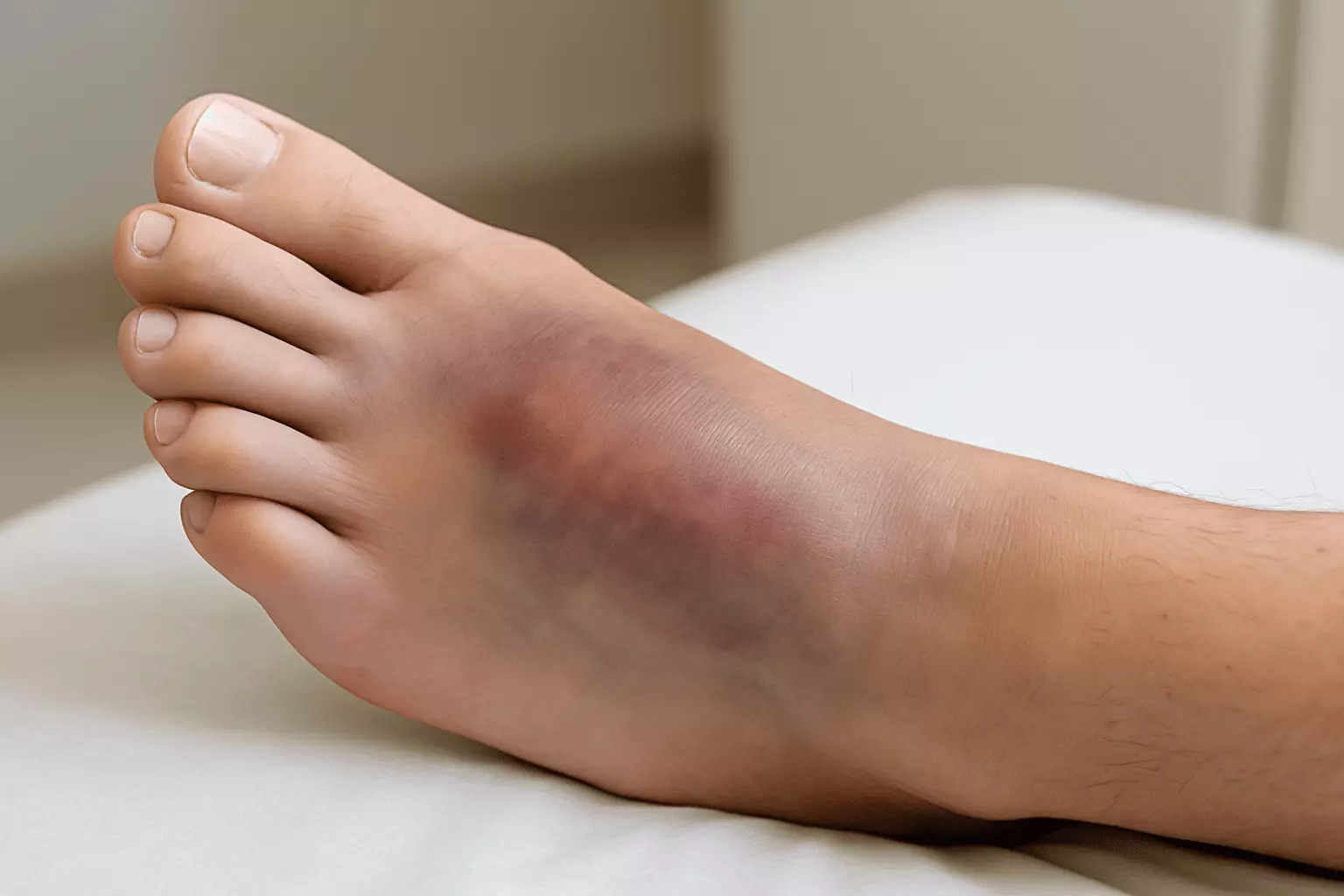
Outer ankle pain can be caused by various conditions. Signs that suggest peroneal tendonitis include:
- Pain or burning along the outside of the ankle and behind the fibula, worsened by walking, running, or cutting movements, which are forms of physical activity that can increase stress on the tendons.
- Swelling or warmth behind and below the outer ankle bone after activity, often due to inflammation that anti inflammatory medications may help reduce.
- Pain when pushing off toes, walking on uneven ground, or standing on one leg, indicating irritation in the ankle joint and surrounding peroneal tendons.
- Morning stiffness or a pulling sensation that eases with movement, often indicating tendinopathy and the ongoing healing process.
- A popping or snapping sensation behind the ankle, possibly indicating tendon subluxation or partial tear, which can lead to more serious ankle problems if not properly diagnosed.
- Ankle weakness or giving-way during weight bearing or downhill walking, signs that suggest an increased risk of further injury.
This Pattern May Not Be Peroneal Tendonitis:
- Deep foot or heel pain that worsens with each step may suggest a stress fracture or plantar fasciitis.
- Localized tenderness over the fifth metatarsal may indicate a stress fracture.
- Constant night pain unrelated to activity could signal other conditions requiring evaluation.
- Pain primarily at the back of the heel or lower calf is more typical of Achilles tendonitis.
If symptoms do not improve with rest and anti inflammatory medications, further medical assessment for a proper diagnosis is advised.
Red Flags – When To Seek Urgent Or Same-Week Medical Care
Seek prompt medical attention if you experience:
- Sudden, sharp pop along the outer ankle with immediate swelling and inability to bear weight (possible tendon rupture).
- Visible deformity, severe bruising, or ankle misalignment after ankle injury.
- Numbness, tingling, or loss of sensation in foot or toes (possible nerve damage).
- Fever, redness, or warmth with swelling (possible infection or gout).
- Pain not improving after 7–10 days of rest and basic care.
- History of osteoporosis or recent high-energy trauma.
For suspected fractures or major ligament injuries, urgent care or orthopedic consultation is appropriate.
At-Home Steps To Start Easing Peroneal Tendon Pain Now
Try these strategies while arranging an evaluation:
- Modify activity: Replace running, hills, and cutting sports with flat-ground walking or cycling that does not increase pain.
- Use pain as a guide: Many clinicians use a guideline to keep pain during activity at or below 2 out of 10 and ensure symptoms settle by the next day.
- Apply ice: 10–15 minutes over the outer ankle, 1–3 times daily, especially after weight-bearing activities.
- Wear supportive footwear: Avoid flat sandals, flip-flops, or unsupportive shoes indoors and outdoors.
- Perform gentle ankle range of motion exercises within pain-free limits.
- Avoid prolonged single-leg standing on uneven surfaces during flare-ups.
- Consider compression bandages or ankle braces for moderate pain during walking.
If pain persists beyond 1–2 weeks, seek individualized assessment.
How Physical Therapy Speeds Up Peroneal Tendonitis Recovery
A physical therapy evaluation typically includes a detailed history, movement assessment, tendon palpation, and strength and balance testing. The goal is to confirm the source of pain and rule out other conditions.
Main components of peroneal tendonitis treatment through PT:
- Load management: Guidance on safe activities and modifications based on current symptoms.
- Manual therapy: Soft tissue work, joint mobilization, and nerve glides to reduce pain and stiffness.
- Targeted strengthening: Progressive exercises for peroneals, calf, hips, and core, starting with gentle isometrics and advancing to sport-specific loading.
- Balance and proprioception: Single-leg stance progressions and dynamic drills to restore stability.
- Gait and running analysis: Adjustments to footwear and training to prevent recurrence.
- Education: Home exercise programs and flare-up management strategies.
Physical therapy often helps build tendon capacity and may shorten recovery compared with rest alone, though individual responses vary.
Return-To-Running, Hiking, And Sport: Preventing Re-Injury
Returning to activity gradually is key to preventing re-injury:
- Increase weekly running or hiking volume by about 10–15% as tolerated, recognizing this is a general guideline and individual plans vary. For more on common running injuries and effective prevention strategies, see expert advice from Scottsdale PT Performance.
- Reintroduce hills, uneven trails, and cutting movements only after flat-surface activities are pain-free.
- Maintain strength exercises for calves, peroneals, and hips 2–3 times weekly even after symptoms resolve.
- Use ankle braces or taping during early return if you have prior sprains or instability.
- Replace running shoes every 300–500 miles and check hiking shoes annually.
- Warm up with dynamic ankle, calf, and hip exercises before sports.
- For Scottsdale activities, start desert hiking on flatter terrain and use carts for golf initially; progress court sports gradually.
Peroneal Tendonitis Recovery FAQs
Can I Walk With Peroneal Tendonitis, Or Do I Need To Be Completely Off My Feet?
- Most people can walk short distances if hip pain when walking is mild and does not worsen later.
- Limping or pushing through significant pain can prolong recovery and cause compensatory issues.
- In more severe cases, assistive devices or braces may be recommended.
Is Peroneal Tendonitis Permanent?
- Peroneal tendonitis is generally treatable, especially with early and thorough care.
- Without proper rehab, repeated flare-ups can lead to chronic tendinopathy.
- Even long-standing tendinosis often improves with structured rehab.
Will I Need An MRI Or X-Ray For Outer Ankle Pain?
- Many cases can be diagnosed clinically without imaging.
- Imaging is considered if pain is severe, persistent, or if tears or other conditions are suspected.
- Coordination with physicians is common for imaging decisions.
Does Peroneal Tendonitis Ever Require Surgery?
- Surgery is rare and reserved for significant tears, subluxation, or refractory cases.
- Post-surgical recovery involves immobilization and prolonged rehab.
- Most patients improve well with conservative care.
How Do I Know If My Peroneal Tendon Is Torn, Not Just Irritated?
- Sudden popping, immediate swelling, persistent weakness, or tendon snapping sensations suggest tears.
- Imaging is needed for diagnosis and treatment planning.
- Professional evaluation is essential.
When Should I Be Concerned That It’s Something Other Than Peroneal Tendonitis?
- Achilles tendonitis causes pain at the heel and calf.
- Stress fractures cause localized bone tenderness and swelling.
- Persistent symptoms not responding to treatment warrant further assessment.
Medical Disclaimer
- This article provides general education and is not a substitute for professional medical advice.
- Individual diagnosis and treatment require examination by a licensed healthcare provider.
- Recovery timelines are averages; individual healing varies.
Ready To Get A Clear Plan For Your Ankle Pain?
If you’re in or near Scottsdale, AZ and dealing with persistent outer ankle pain, we’d be glad to help you figure out what’s going on and how to fix it.
- Pinpoint the actual source of pain through hands-on assessment.
- Identify why your peroneal tendons are overloaded.
- Create a step-by-step plan to reduce pain, restore strength, and return to your activities.
We offer in-person sessions at our Scottsdale clinic and coordinate with your physician if needed.
Don’t wait months hoping the pain disappears on its own. Call Scottsdale PT & Performance or request an appointment online to start shortening your peroneal tendonitis recovery time and get back to doing what you love.