Why Surgery Preparation Matters More Than Most People Think
Many active adults in Scottsdale spend weeks researching surgeons, procedures, and recovery timelines before surgery. What often gets overlooked is how much your condition before surgery can affect what happens afterward. If your muscles are weak, your mobility is limited, or your movement patterns are poor going into surgery, recovery can feel slower, more painful, and more frustrating.
A lot of people focus entirely on the surgery itself while ignoring the condition of the body leading into it. We see this often with active adults who stop training completely because they are worried about making the injury worse. In reality, losing strength and movement capacity before surgery can sometimes make recovery more difficult afterward.
That is where a structured prehab plan changes the equation. Instead of arriving at surgery already deconditioned, prehab prepares your joints, muscles, and nervous system before the procedure happens. For athletes, gym-goers, runners, golfers, hikers, and active adults, that preparation can improve confidence, reduce setbacks, and help you return to activity more smoothly.
At Scottsdale Physical Therapy & Performance, we often work with people before surgery, not just after. Whether someone is preparing for ACL reconstruction, shoulder surgery, hip procedures, or spinal surgery, improving strength and movement quality beforehand usually creates a stronger starting point for rehabilitation.
What Is Prehab?
Prehabilitation, or prehab, is the process of strengthening the body before surgery to improve recovery outcomes and reduce post-operative decline. Rather than starting rehabilitation from a weakened baseline, prehab gives you a head start.
Prehab exercises are proactive movements designed to strengthen weak muscles, improve joint stability, and correct imbalances before injuries occur. This approach is commonly used in sports performance settings, but it has become increasingly valuable for surgical recovery as well.
A good prehab program is not about training hard right before surgery. It is about improving movement quality and muscle activation so the body is in a better position when recovery starts.
Athletes and active adults place high demands on their bodies. When an injury develops or surgery becomes necessary, movement quality often changes long before the procedure itself. People may limp, avoid loading one leg, compensate through the hip or lower back, or lose muscle activation around a painful joint.
Those compensations can create additional stress throughout the body. A focused prehab program helps restore strength and movement before surgery rather than allowing those limitations to continue getting worse.
Why Prehab Exercise Matters Before Surgery
One major issue after surgery is rapid muscle loss. Reduced activity, swelling, pain, and limited weight bearing can all contribute to weakness. If someone already has poor quadriceps strength, calf strength, or core control before surgery, that decline becomes even more noticeable afterward.
A common issue we see is people becoming significantly weaker in the weeks leading up to surgery because they stop moving completely. Sometimes they are trying to protect the injury, but the body often responds with stiffness, instability, and additional weakness.
Research suggests that stronger and more functional muscles before surgery can lead to better rehabilitation outcomes, highlighting the importance of prehabilitation exercises. Studies also suggest patients who participate in prehab may experience fewer complications and may require less pain medication after surgery.
Movement quality matters just as much as raw strength. Improving control in the spine and major joints is crucial for enhancing stability in physical activities. When movement becomes more controlled before surgery, the body is often better prepared for rehabilitation afterward.
This becomes especially important for surgeries involving the knees, hip, ankle, shoulder, or rotator cuff. Those areas depend heavily on coordination, stability, and muscle activation to function properly.
What Makes a Good Prehab Program?
A quality prehab program should not look identical for every patient. Someone preparing for shoulder surgery needs a different approach than a runner dealing with knee instability or an athlete preparing for hip surgery.
A prehab program should consist of 3-5 exercises tailored to individual performance requirements and common injury risks, and should be evaluated and adjusted regularly for effectiveness. The right exercises depend on pain levels, mobility restrictions, strength deficits, movement compensations, and surgical timelines.
A well-rounded prehab program includes mobility work, stability and activation drills, resistance training, and balance training. Each component serves a different purpose in preparing the body for surgery and recovery.
Mobility work helps restore range of motion and reduce stiffness. Stability drills improve joint control. Resistance training helps improve strength in vulnerable muscle groups. Balance training improves coordination and body awareness.
To effectively incorporate prehab exercises into your routine, aim to perform them at least two to three times a week, ideally during warm-ups or cool-downs to mobilize and activate muscles. Consistency matters more than intensity. Showing up regularly for shorter sessions will outperform sporadic hard efforts followed by days off.
Common Areas That Benefit From Prehab
Knee Surgery
Knee procedures are some of the most common surgeries we see in Scottsdale physical therapy clinics. ACL injuries, meniscus repairs, and total knee replacements can all benefit from prehab. Single-leg exercises like split squats and single-leg squats build strength around the knee and improve the stability deficits that often contribute to runner’s knee and other common overuse injuries.
Building quadriceps strength before surgery often helps patients regain walking mechanics more efficiently afterward. Hamstring strength and calf strength also play major roles in knee stability and recovery progress. We also see better confidence during rehabilitation when patients already have good single-leg control before surgery. That becomes important when returning to hiking, lifting, running, pickleball, or recreational sports around Scottsdale.
Shoulder Surgery
Shoulder stability is critical for overhead athletes, golfers, swimmers, lifters, and active adults who want to return to training after surgery. Weak rotator cuff muscles, poor scapular positioning, and limited mobility all contribute to dysfunction that makes shoulder surgery recovery harder. Exercises targeting shoulder rotation and scapular control, such as rotator cuff strengthening variations, reduce strain during rehabilitation and improve mechanics for overhead athletes.
Exercises that improve shoulder control can reduce strain during rehabilitation and improve movement mechanics long term. This matters for people who want to return to pressing movements, tennis, golf, or overhead lifting after surgery.
Hip Procedures
Hip surgery recovery depends heavily on glute strength, pelvis control, and lower body stability. Weakness around the hip often changes how people walk, squat, sit, or perform daily activities. We commonly see patients compensate through the lower back or opposite leg without realizing it. Over time, those movement changes can create additional pain and stiffness elsewhere in the body.
Prehab exercises focused on glutes, core stability, and one leg control can improve movement efficiency before surgery while reducing compensations throughout the body.
Spine and Back Surgery
Core stability becomes especially important before spine procedures. A strong core improves balance and protects the lower back during dynamic sports activities. Improving spinal control before surgery may help reduce stress on surrounding muscles and improve confidence during rehabilitation afterward.
For active adults, this often means focusing on posture, hip mobility, core activation, and controlled movement patterns rather than simply trying to strengthen the back directly.
Why Prehab and Injury Prevention Are Closely Connected
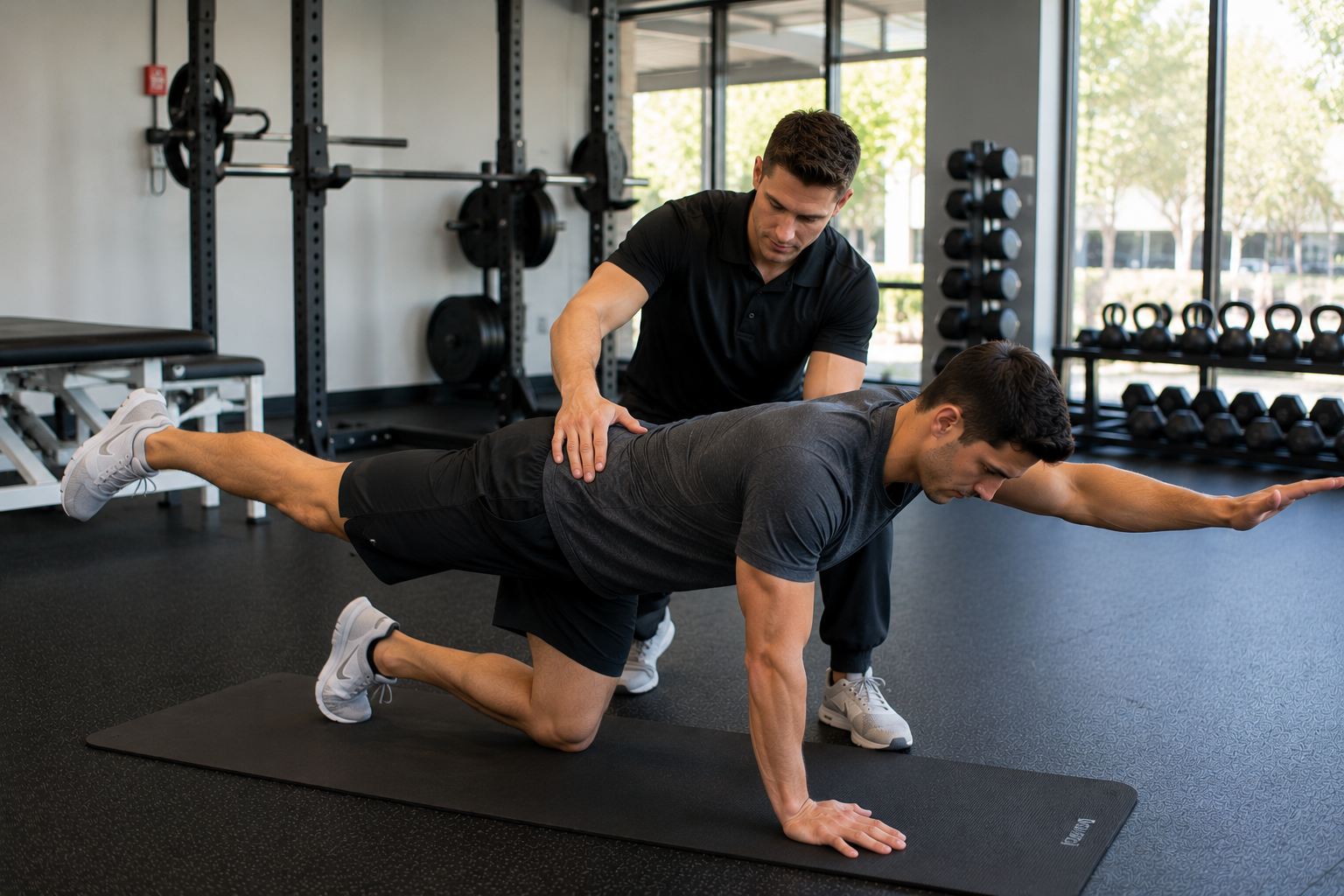
Prehab is not only useful before surgery. Many athletes use it year-round for injury prevention and performance support. Prehabilitation consists of proactive exercises designed to address muscle imbalances, weaknesses, and joint instability before they lead to injury. Including prehab exercises in your training can help improve joint stability, core strength, and overall movement quality, which are essential for injury prevention and performance enhancement.
Prehab targets weak links that general fitness routines often miss. The problem is rarely just the painful area. Poor ankle mobility, weak glutes, or limited core control can all affect movement patterns further up or down the chain. This is one reason prehab remains valuable even outside of surgery preparation. Better movement quality can improve performance while also helping athletes avoid repetitive stress issues.
Prehab helps prevent repetitive strain injuries common in sports like running or tennis by strengthening commonly stressed areas. Athletes often repeat the same movement patterns for years. Over time, stress accumulates in vulnerable tissues if mobility or stability deficits are ignored. Prehab focuses on major joints and smaller stabilizing muscles to create a stable foundation and enhances mobility and range of motion to help athletes move more efficiently.
Best Prehab Exercises Before Surgery
Glute Bridges
Glute bridges are a great exercise for improving posterior chain activation and pelvis stability. They help strengthen the glutes while reducing excessive strain on the lower back. Start on the ground with knees bent and feet flat. Push through the heels while lifting the hips upward. Keep the core engaged and avoid arching the back excessively. Slowly lower back to the starting position with control.
This movement can improve hip strength, support lower body mechanics, and prepare patients for weight bearing activity after surgery.
Single-Leg Romanian Deadlifts
Single-leg Romanian deadlifts challenge balance, hip control, and hamstring strength simultaneously. They also improve coordination between the core, pelvis, and lower body. Exercises like glute bridges, single-leg Romanian deadlifts, and band pull-aparts are effective for enhancing strength and stability in vulnerable areas.
Stand tall on one foot while maintaining a slight bend in the knee. Keep the pelvis level as the opposite leg moves backward. Maintain control throughout the movement rather than rushing through repetitions. This exercise is especially useful for runners, athletes, and active adults who need better balance and hip stability before returning to activity after surgery.
Band Pull-Aparts
Band pull-aparts help strengthen the upper back and improve shoulder blades positioning. This movement is commonly included in shoulder prehab programs because it supports posture and rotator cuff control. Athletes involved in overhead activities often lose stability around the shoulder due to repetitive stress. Better muscle activation around the shoulder complex may help reduce injury risk during training and sports. This exercise is simple, but it can be extremely effective for improving posture and shoulder stability before surgery.
Single-Leg Squats
The Single-Leg Squat is an effective exercise for building unilateral leg strength, which is crucial for improving performance in activities that involve running, jumping, or changing direction quickly. This exercise improves knee control, hip stability, and ankle coordination simultaneously. Keep the body aligned while lowering slowly on one leg. Avoid letting the knee collapse inward. Control the descent and maintain balance through the foot and toes. Many people notice quickly that one side feels less stable than the other. Identifying those asymmetries before surgery can help guide rehabilitation more effectively afterward.
Harop Curls
The Nordic hamstring curl targets the hamstrings eccentrically, which is important for deceleration control and reducing ACL injury risk, particularly in cutting and pivoting sports. Strengthening the hamstrings is crucial for injury prevention, as stronger hamstrings can decrease the likelihood of ACL injuries, particularly in female athletes. Hamstring weakness often contributes to poor deceleration mechanics and knee instability. Including hamstring-focused exercises in prehab may improve long run joint protection and athletic performance.
Core Stability Drills
Effective prehab exercises prioritize joint stability, core resilience, and muscle activation to prepare the body for rigorous activity. Core training should focus on control rather than simply creating fatigue. Stability through the trunk helps support movement throughout the rest of the body.
Dead bugs, planks, carries, and anti-rotation drills are often included in prehab programs. These exercises improve body awareness while helping athletes maintain control during movement. For many active adults, improving core stability before surgery also improves confidence during lifting, walking, and daily movement.
Balance and Foot Stability Work
Incorporating prehab exercises into your routine can help strengthen and mobilize joints, improve balance, and reduce the risk of injury during physical activities. Balance work becomes especially important before surgeries involving the ankle, knee, or hip.
Simple drills such as standing on one leg, reaching movements, and controlled step-down exercises can improve stability and coordination. These movements train the foot, ankle, calf, and hip to work together more efficiently. This type of training is especially important for people returning to hiking trails, uneven ground, recreational sports, or athletic training after surgery.
What To Expect During Physical Therapy Prehab
A physical therapist starts by evaluating movement patterns, mobility restrictions, balance, strength deficits, and pain triggers. Understanding how the entire body moves helps identify compensations that may interfere with surgery recovery. At Scottsdale Physical Therapy & Performance, we often assess squat mechanics, single-leg control, shoulder stability, gait mechanics, mobility restrictions, and core function depending on the injury and surgery type.
Once deficits are identified, exercises are selected based on the patient’s needs and current abilities. Some people need more mobility work while others need strength or stability training. New exercises are introduced gradually to improve progress without increasing irritation or fatigue. The process should challenge the body without pushing pain levels excessively high.
Rest days remain important during prehab. Muscles still need time to recover and adapt between training sessions. Overtraining before surgery can create additional soreness and inflammation that interfere with preparation. The right balance between training and recovery helps patients stay healthy while continuing to improve strength and movement quality.
Scottsdale Physical Therapy & Performance’s Approach to Prehab
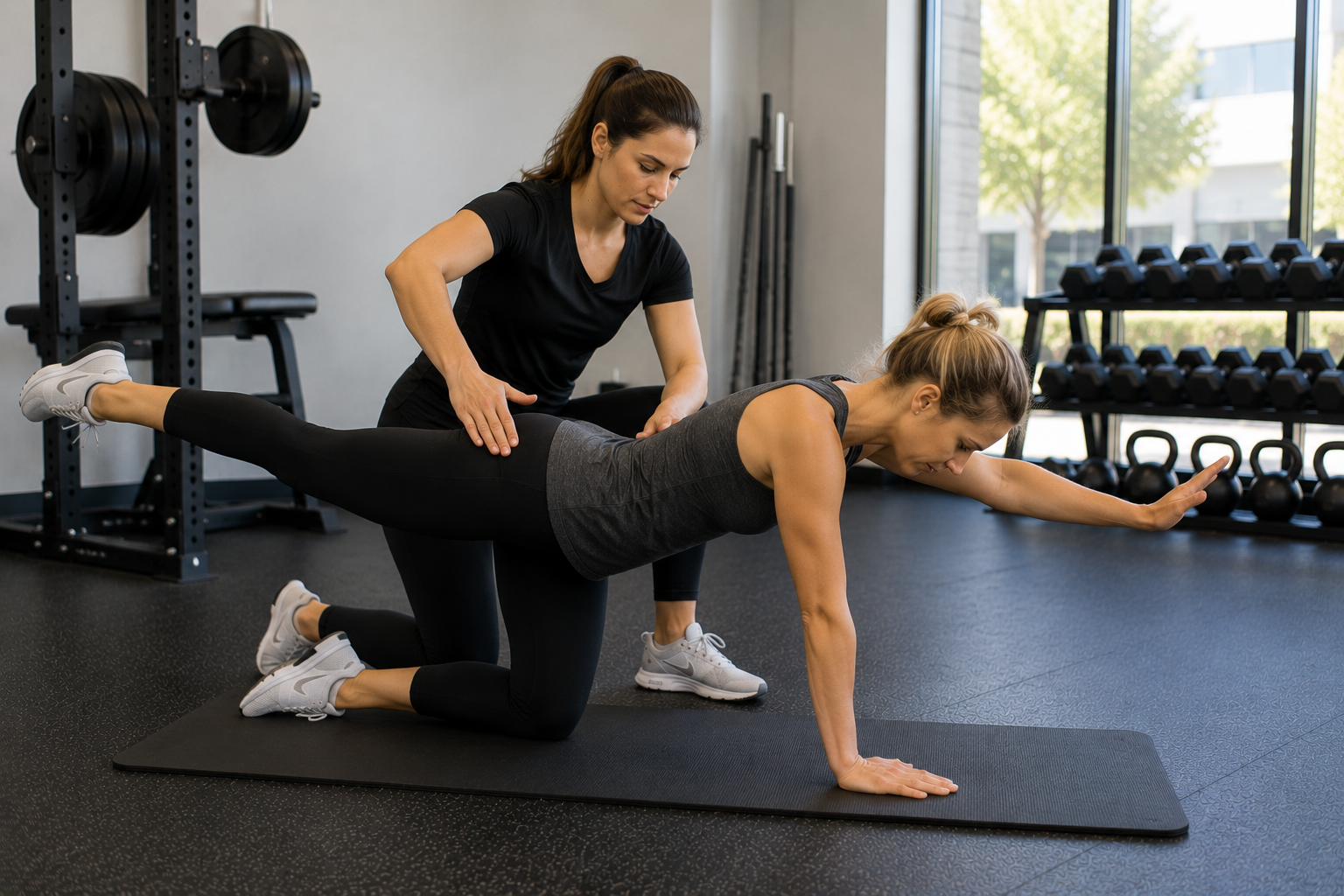
At Scottsdale Physical Therapy & Performance, we approach prehab through both rehabilitation and performance lenses. We are not simply trying to get someone through surgery. We are preparing them to return to the activities they care about afterward. For some patients, that means getting back to golf without pain. For others, it means hiking Camelback Mountain again, returning to CrossFit workouts, or rebuilding confidence after an ACL injury.
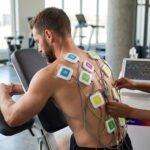
That process may involve mobility work, strength training, balance work, movement retraining, and sport-specific preparation depending on the patient. In some cases, we also incorporate Restimulate Health protocols and the truFlex device to improve muscle activation before surgery. This can be especially valuable for patients dealing with pain, limited loading tolerance, or muscle shutdown around the knee, hip, or core. By improving muscle recruitment and helping patients maintain strength before surgery, these protocols can help patients feel more prepared entering rehabilitation and recovery.
We place heavy focus on movement control rather than simply adding more workouts. How someone moves matters. If movement patterns are poor before surgery, recovery often becomes more difficult afterward.
Improving control through the hip, knees, ankle, core, and shoulder complex can improve overall function and reduce compensations. Many of our patients in Scottsdale are active adults who want to continue lifting, running, training, golfing, or staying involved in fitness long term. Prehab gives them an opportunity to protect their body before surgery rather than waiting until afterward to address weaknesses.
When To Start Prehab Before Surgery
Many people wait until the final week before surgery to think about preparation. In reality, starting earlier usually creates better outcomes because it gives the body time to adapt. Even a few weeks of focused prehab can improve strength, mobility, confidence, and overall readiness for rehabilitation.
People preparing for surgery often notice pain, stiffness, instability, or weakness beforehand. Others feel limited during workouts, walking, or sports activity. If you notice movement limitations, balance problems, reduced strength, or ongoing discomfort, prehab may help improve function before surgery and support recovery afterward.
Confidence going into surgery is more important than most people expect. Patients who arrive physically prepared tend to start rehabilitation with less hesitation and push through the hard early weeks more consistently.
Staying Consistent With Prehab
One of the biggest predictors of success is consistency. Performing exercises regularly usually matters more than trying to do everything perfectly immediately. Building strength, mobility, and stability takes repetition over time. The body adapts gradually through consistent movement and training.
Many people either push too hard or stop moving completely before surgery. Neither extreme tends to work well. A balanced approach that includes structured exercises, controlled progression, proper rest, and movement quality often produces better long-term results.
Prehab Exercise Can Improve Recovery and Confidence
Surgery preparation is not just about the procedure. It is about what the body can do when rehabilitation starts. A structured prehab plan improves strength, mobility, and muscle activation so recovery begins from a stronger baseline.
At Scottsdale Physical Therapy & Performance, we help active adults and athletes build resilient movement patterns before surgery so they can recover more effectively and return to the activities they enjoy. Whether you are preparing for knee surgery, shoulder rehabilitation, hip procedures, or another orthopedic issue, our team can help create a personalized prehab program designed around your body, goals, and recovery timeline.
Frequently Asked Questions (FAQ)
How Often Should I Perform Prehab Exercises?
Most people benefit from performing prehab exercises two to three times per week. The exact schedule depends on your surgery timeline, current fitness level, and recovery needs.
Can Prehab Reduce Pain Before Surgery?
Often, yes. Improving mobility, muscle activation, and joint stability can reduce mechanical stress on irritated tissues, which frequently improves movement comfort before surgery.
Is Prehab Only For Athletes?
No. Athletes commonly use prehab, but active adults, older adults, and patients preparing for orthopedic surgery can all benefit from it.
Should I Work With A Physical Therapist For Prehab?
Working with a physical therapist helps ensure your exercises match your specific injury, surgery, movement limitations, and recovery goals.