Athletes often face unexpected aches and pains during training. A sharp twinge in the hip during a deep squat, a knee that catches when changing direction, or a shoulder that flares up when pressing or throwing. Many try to push through, stretch more, or rest briefly, hoping the discomfort fades. Sometimes it does; other times, the pain returns at the worst moments, hindering performance.
This is where a professional sports therapist steps in. Their role goes beyond just easing pain they focus on rebuilding the athlete’s physical ability to meet the demands of their sport, enabling a confident and safe return to peak performance. Specializing in sports medicine, these therapists are experts in injury prevention, treatment, and rehabilitation tailored specifically for athletes.
In this article, we explore what a professional sports therapist is, how their specialized education and sports medicine experience benefit athletes, and when it’s essential to seek their care. Whether you’re a professional athlete, part of a professional team, or a dedicated sports enthusiast, understanding the role of a sports therapist can be key to faster recovery and improved athletic longevity.
Understanding Sports Injuries: The Balance of Load and Capacity
Injuries often arise when the physical stress placed on the body exceeds its ability to adapt. While muscles, tendons, bones, and the nervous system strengthen and adjust with consistent training, sudden increases in workload or changes in movement patterns can overwhelm these systems. Common causes include:
- Rapid increases in training volume or intensity
- Adopting new techniques or equipment (like a new coach or shoes)
- Scheduling multiple competitions with insufficient recovery
- Returning to sport too quickly after rest or injury
- Fatigue revealing weaknesses in strength or control
Pain serves as a warning sign, signaling irritation or overload such as lower back pain after basketball but it doesn’t always pinpoint the exact damage. A professional sports therapist evaluates these symptoms carefully, considering the athlete’s unique context and the complexity of human bodies to develop a personalized, evidence-based recovery plan.
Who Is a Professional Sports Therapist?
In the United States, a professional sports therapist is typically a licensed physical therapist (PT/DPT) with advanced training and sports medicine experience in sports physical therapy. Many hold board certification as Sports Clinical Specialists (SCS), demonstrating expertise in managing athletic injuries. These therapists often collaborate closely with Certified Athletic Trainers (ATCs), coaches, doctors, and other healthcare professionals to provide comprehensive care.
Key Qualifications to Consider
When choosing a professional sports therapist, look for:
- Valid PT/DPT licensure ensuring clinical competence
- Specialized experience with sports-related injuries and athletic training
- Use of return-to-sport assessments to guide safe progression
- Integration of strength and conditioning principles into rehab
- Coordination with your broader sports medicine team, including the head athletic trainer and professional team staff
How Sports Therapy Differs from General Rehabilitation
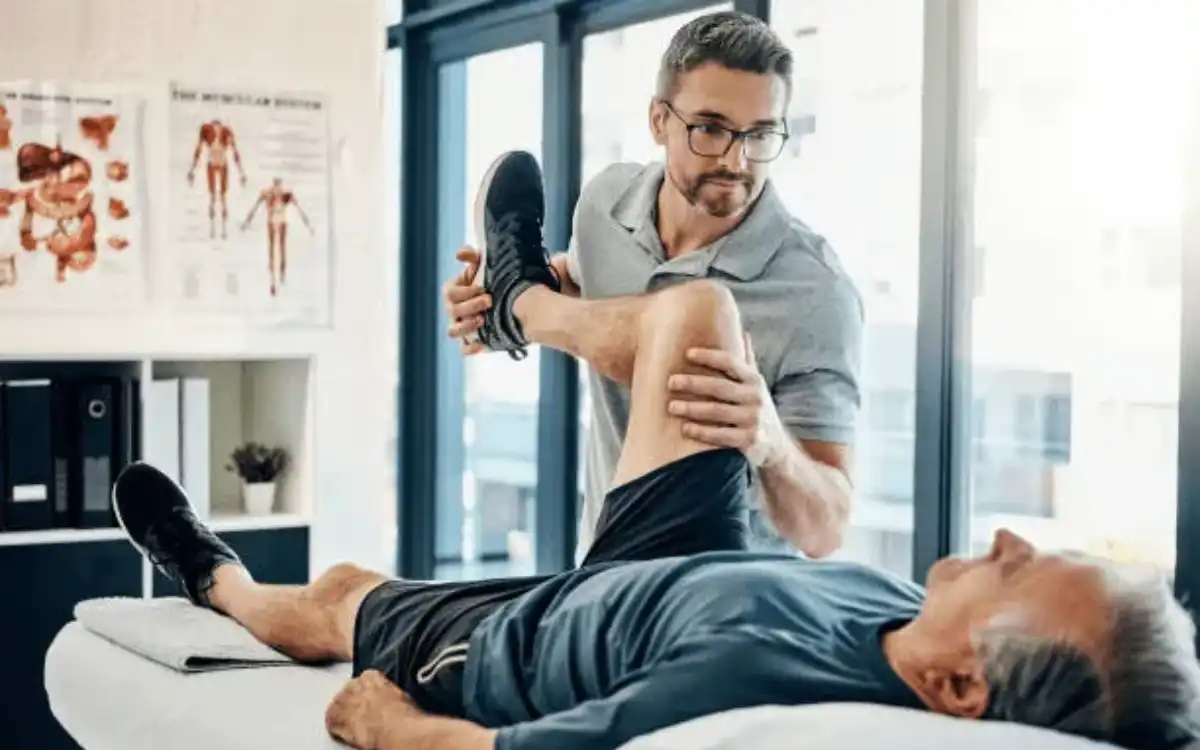
While general physical therapy provides valuable care, sports therapy is uniquely tailored to the demands of athletic performance. Differences include:
- Linking rehabilitation goals directly to sport-specific movements and skills
- Measuring progress beyond pain, including strength, endurance, power, and skill tolerance
- Using progressive training protocols rather than recommending rest alone
- Planning for the complex realities athletes face, such as balancing practice, travel, and life
Sports therapists design targeted programs that enhance strength, flexibility, and conditioning to reduce injury risk and optimize performance.
Common Reasons Athletes Seek Sports Therapy
Athletes pursue sports therapy for various issues, including:
Acute Injuries
- Sprains, strains, and sharp muscle pulls
- Joint irritations following falls or awkward landings
- Immediate movement changes like limping or avoiding positions
Overuse Injuries
- Tendon pain (e.g., Achilles, patellar, rotator cuff)
- Running-related discomfort in knees, hips, shins, or calves
- Stress injuries from repetitive rotational sports like golf or throwing
Recurring Problems
- Symptoms that ease with rest but return when activity increases
- Persistent tightness or discomfort localized to one area
- Issues related to load management rather than flexibility
Performance Concerns Without Injury
- Weakness or instability during training sessions
- Loss of speed, power, or control
- Feeling “off” without sharp pain
When to Seek Urgent Care
Immediate evaluation is necessary if you experience:
- Visible deformity or inability to bear weight after injury
- Rapid swelling, severe pain, or joint instability
- A popping sound with immediate swelling and inability to continue activity
- Numbness, worsening weakness, or loss of sensation
- New bowel or bladder issues or groin numbness
- Chest pain, shortness of breath, or unexplained limb swelling
- Signs of infection such as fever, chills, or redness around a joint
- Head injury accompanied by confusion or repeated vomiting
Managing Symptoms at Home
Initial care aims to reduce pain while maintaining movement and activity. Key steps include:
- Avoid activities that worsen symptoms for prolonged periods
- Modify training by reducing volume before intensity rather than stopping completely
- Use symptom relief methods like ice, heat, compression, elevation, or massage strategically
- Begin gentle mobility exercises that do not aggravate symptoms
- Incorporate early strength exercises such as isometrics and slow-tempo repetitions
- Prioritize sleep and recovery as part of your rehab
What to Expect During a Sports Therapy Evaluation

A comprehensive evaluation typically involves:
- A detailed discussion about your sport, training routine, and goals
- Screening for any serious red flags
- Movement and strength tests comparing both sides of the body
- Functional assessments tailored to your sport
- Development of a clear, actionable treatment plan
The Sports Rehabilitation Process: Key Steps
Step 1: Establish a Working Diagnosis
Therapists identify the likely cause based on symptoms, movement patterns, and tissue responses, adjusting the diagnosis as recovery progresses.
Step 2: Control Symptoms Without Over-Resting
Early rehab focuses on reducing irritation and restoring confident movement through manual therapy, soft tissue techniques, taping, and gentle exercises.
Step 3: Manage Load to Maintain Fitness
Rather than complete rest, therapists help adjust activities to keep athletes fit while healing, often working with athletic trainers for on-field care.
Step 4: Progressive Strengthening
Customized exercises rebuild tissue tolerance, gradually increasing load, volume, range of motion, speed, and complexity based on the athlete’s sport and injury.
Step 5: Develop Movement Skills
Improving control in critical positions reduces injury risk, focusing on areas like hip and trunk stability, landing mechanics, cutting, rotation, and scapular function.
Step 6: Conduct Return-to-Sport Testing
Objective assessments such as strength, endurance, hop tests, sprint tolerance, and sport-specific drills ensure readiness to safely resume competition.
Step 7: Rebuild Performance
Final rehab stages emphasize power, speed, plyometrics, conditioning, and fatigue resistance to prepare athletes for full competition demands.
How Professional Sports Therapists Help You Return Faster at Scottsdale PT & Performance
Scottsdale PT & Performance, our professional sports therapists specialize in helping athletes in the Scottsdale area recover efficiently and safely. We combine expert knowledge with personalized care to support your journey back to peak performance.
Here’s what you’ll get with us:
- Comprehensive sport-specific testing to identify your unique needs
- Customized strength and conditioning plans tailored to your injury and sport
- Objective return-to-sport metrics to track your progress confidently
- Seamless coordination with your coach and training schedule for integrated care
If you want a plan you can trust, a sports PT evaluation can provide clear next steps to guide your recovery and performance goals.
Frequently Asked Questions
Do I Need a Referral to See a Sports Physical Therapist?
In many areas, including Arizona, you can access physical therapy without a physician referral, but insurance policies vary. Check with your provider.
How Many Visits Are Typically Required?
The number of sessions depends on injury severity, duration, training demands, and consistency. Mild issues may resolve in a few visits; complex or post-surgical cases require longer rehab.
Should I Rest Until Completely Pain-Free?
Not necessarily. Modified training combined with progressive rehabilitation usually leads to better outcomes than complete rest.
Is Sports Therapy Only for Professional Athletes?
No. Sports therapy benefits all athletes from elite pro athletes to recreational players aiming to improve performance and prevent injury.
Will I Need Imaging Like MRI?
Often, imaging is not immediately necessary. Skilled clinical evaluation guides treatment, with imaging reserved for unclear cases, red flags, or surgical planning.
What Should I Bring to My First Appointment?
Bring details about your symptoms, training schedule, goals, relevant equipment, and any previous imaging or medical reports. Also, be ready to share any advice or recommendations you have received from your doctor or athletic training staff.
Conclusion
A professional sports therapist offers a specialized, evidence-based approach to help athletes recover safely, prevent future injuries, and enhance sports performance. Whether you compete professionally or play recreationally, partnering with a qualified sports therapist from your local community can accelerate your recovery and keep you performing at your best.
Take the Next Step in Your Recovery
If pain limits your training or you’re unsure about your return-to-sport timeline, a sports-focused evaluation can help you:
- Identify the root causes of your symptoms
- Develop a tailored plan aligned with your sport and schedule
- Progress from rehabilitation to peak performance
- Use measurable milestones to track readiness
Book an evaluation with a professional sports therapist today and move beyond uncertainty start your journey to stronger, safer athletic performance.