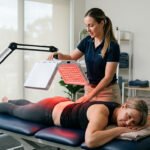
If you’re dealing with stiffness or mild discomfort in your back or neck, you’re not alone. Many people experience these issues at some point, and gentle stretching can be a helpful way to ease tension and improve mobility. This guide will walk you through practical stretching exercises designed to support spinal health and reduce discomfort safely.
What’s Happening With Your Spine?
Your spine is a complex structure made up of bones, discs, muscles, and nerves. The lumbar spine, located in the lower back, supports much of the body’s weight and is crucial for movement and stability. When back muscles, such as the latissimus dorsi and spinal extensors, around the spine become tight or imbalanced, it can limit your range of motion and contribute to feelings of stiffness or pain. Stretching can help you feel looser and move more comfortably, encouraging better posture.
These stretching exercises target the lumbar, thoracic, and cervical spine, aiding in mobility and pain reduction.
Common Causes of Spinal Stiffness, Discomfort, and Low Back Pain
- Muscle tightness: Prolonged sitting or poor posture can cause muscles like the hip flexors and erector spinae to become tight. Tightness in these muscles can contribute to low back pain.
- Muscle imbalances: When some muscles are stronger or tighter than their counterparts, it can pull the spine out of alignment.
- Sedentary lifestyle: Lack of movement reduces flexibility and can increase discomfort.
- Mild spinal conditions: Early signs of issues like herniated discs or spinal stenosis may cause stiffness but require professional evaluation.
- Stress and tension: Emotional stress can lead to muscle tightness, especially in the neck and upper back.
Regular stretching is important for maintaining mobility and preventing pain as we age.
Symptoms You May Notice
- Reduced range of motion in the back or neck
- Mild to moderate stiffness or aching
- Occasional muscle spasms or tightness
- Discomfort when changing positions or after prolonged sitting
- Sensation of tension around the shoulder blades or lower spine
When to Seek Urgent Care
- New or worsening numbness or weakness in your legs or arms
- Loss of bladder or bowel control
- Severe, unrelenting pain that does not improve with rest
- Sudden onset of pain after trauma or injury
- Pain accompanied by fever or unexplained weight loss
If you experience any of these, please consult a healthcare professional promptly. If your pain persists beyond a few days or is accompanied by other symptoms, it is important to seek medical attention.
What to Avoid With Common Symptoms and Conditions
- If pain shoots below the knee, numbness, tingling, or weakness increases, stop stretching and get assessed by a healthcare professional.
- If extension movements worsen symptoms, as is common with spinal stenosis, avoid backbends like the Sphinx pose and prioritize gentle forward flexion stretches.
- If twisting increases pain during flare-ups, avoid spinal twists until symptoms improve.
How to Stretch Your Spine Safely
Safety should always come first when stretching, especially if you’re dealing with back or neck pain. Choose a quiet, comfortable space where you can focus on your body without distractions. Begin each session with slow, gentle movements, and avoid stretching cold muscles—consider a brief warm-up, like walking or dynamic movements, to get your blood flowing.
As you move through each stretch:
- Take deep breaths in through your nose and out through your mouth to help your muscles relax and your body stay calm.
- Never push into painful positions or force a stretch; if you feel new pain or discomfort, stop immediately and consult a healthcare professional.
- Focus on controlled movements and holding stretches for 15–30 seconds, repeating 2–3 rounds as comfortable.
- Pay attention to what you should feel: a gentle pulling or loosening sensation, but no sharp pain.
- Watch for common compensations like holding your breath, arching your lower back excessively, or shrugging your shoulders, and adjust to maintain proper form.
By listening to your body and prioritizing gentle, mindful movement, you can stretch safely and effectively.
A Simple 10-Minute Spine Mobility Routine
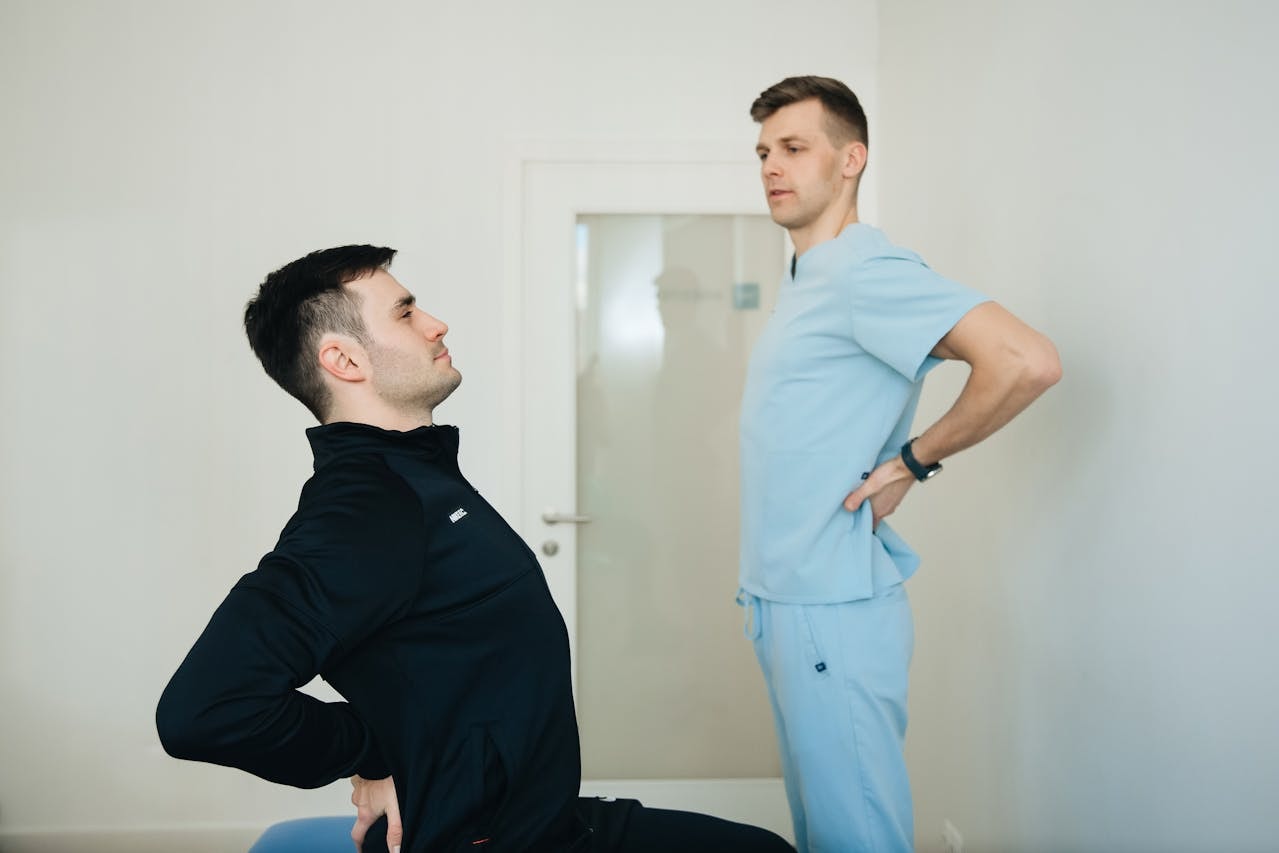
Here is a clinician-designed routine that targets key areas to improve spinal flexibility and reduce tension. Perform each stretch for 15–30 seconds, 2–3 rounds, with deep, steady breaths. Switch sides as instructed to ensure balanced mobility.
Spine Mobility (Low Risk)
- Cat-Cow Stretch: On hands and knees, alternate arching and rounding your back slowly while breathing deeply. You should feel gentle movement through the mid and low back, not pinching. Focus on moving through the full range without forcing. This stretch improves spinal flexibility and relieves tension.
- Pelvic Tilts: Lie on your back with knees bent and feet flat on the floor. Gently tilt your pelvis upward by engaging your deep abdominal muscles, then release. This stabilizes the lumbar spine and strengthens core support. You should feel your lower back gently pressing into the floor during the tilt.
Hip Mobility That Helps the Spine
- Figure Four Stretch: Lie on your back, cross one ankle over the opposite knee (crossed leg), then gently pull the opposite knee toward your chest. This targets the hip and glute muscles, which support spinal alignment. Switch legs. You should feel a stretch in the hip and buttock of the crossed leg.
- Pigeon Pose (Optional): From all fours, bring one knee forward and place it behind your wrist, with the other leg extended straight back. This opens the hips and relieves lower back tension. Switch legs. For a gentler alternative, use the supine figure four stretch described above.
Core Stability to Support the Spine
- Bird-Dog Exercise: Start on all fours. Extend the opposite arm and leg while maintaining a neutral spine. You should feel your trunk working, not your low back arching. Hold for 15–30 seconds, then switch sides. This improves spinal stability and balance.
- Side Plank: Lie on your side and prop yourself up on one forearm, stacking your feet. Keep your body in a straight line from head to feet. Hold for 15–30 seconds, then switch sides. For a modification, you can bend your knees and keep them on the floor while maintaining a straight line from head to knees. This strengthens the obliques and supports lateral spine stability.
Spine Rotation (Optional Stretches)
- Seated Spinal Twist: Sit with your legs extended. Cross your left leg over your right, placing your left foot outside your right knee. Rotate your torso in the opposite direction, using your right arm to gently press against your left knee. Switch sides. Avoid this if twisting increases pain. You should feel a gentle stretch around your spine and hips.
- Child’s Pose: Kneel with the tops of your feet flat on the floor, sit back on your heels, and extend your arms forward with hands extended, allowing your spine to lengthen. Breathe deeply to enhance relaxation. You should feel a gentle stretch along the back and shoulders.
- Sphinx Pose: Lie on your stomach with your forearms on the floor and elbows under your shoulders. Slowly bring your chest up, keeping your pelvis grounded. This gentle backbend strengthens and stretches the spine, buttocks, and chest. Avoid if extension worsens symptoms. You should feel a mild stretch in the lower back and chest.
When Stretching Is Not Enough: The Role of Physical Therapy
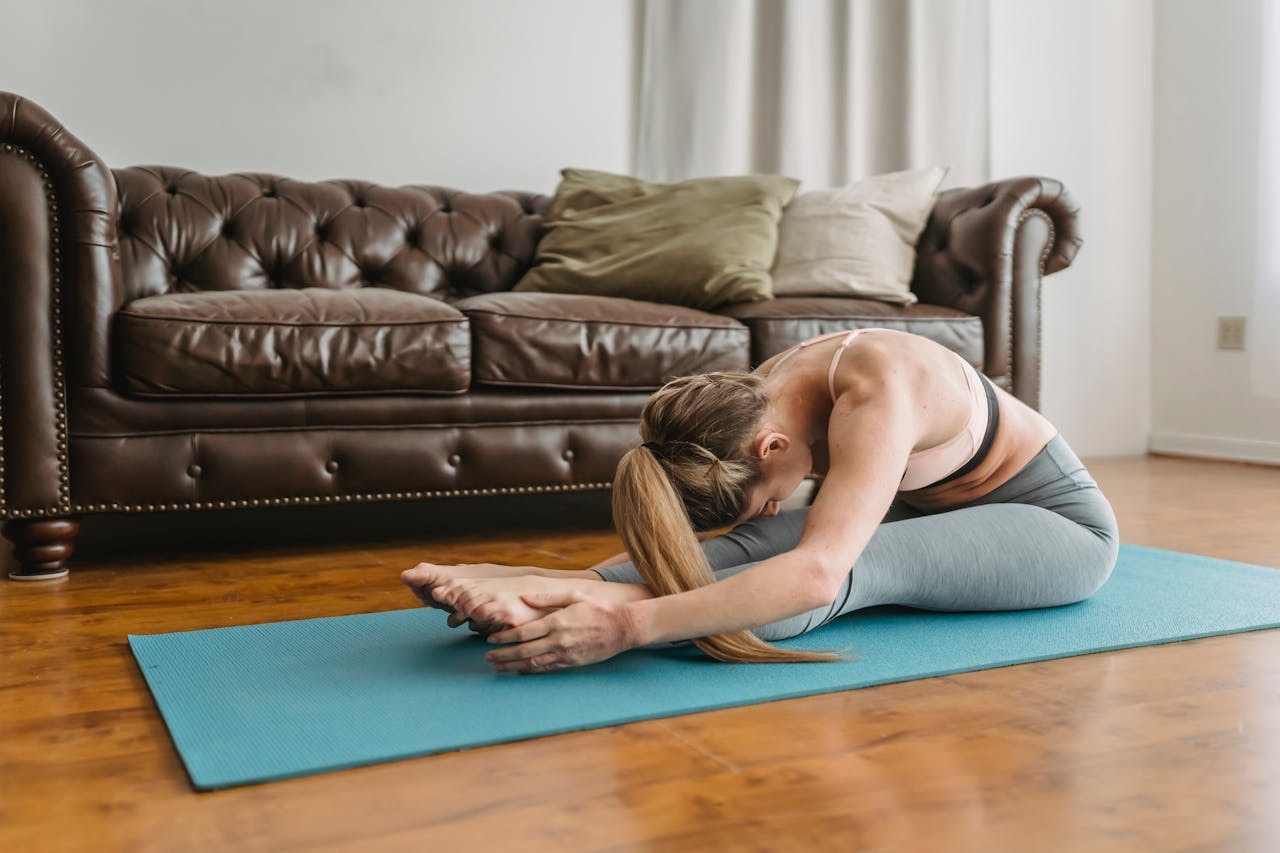
While these stretches can provide relief and improve mobility, some cases require more comprehensive care. If pain persists despite consistent stretching, or if you experience neurological symptoms like numbness or weakness, a physical therapist can help.
At Scottsdale PT & Performance, our therapists perform detailed assessments to identify muscle imbalances, posture issues, and movement patterns contributing to your discomfort. We restore spinal health and prevent future problems. We combine targeted stretching with strengthening exercises and movement control strategies to restore spinal health and prevent future problems.
How to Keep Results (Without Overdoing It)
Maintaining spinal health requires consistent but balanced effort. Many people do well with stretching 3–5 days per week. Daily stretching is fine if it feels good and symptoms do not increase. The best times to stretch are after a light warm-up or following physical activity when muscles are more pliable.
Progress gradually by increasing stretch duration or rounds as comfort allows. During flare-ups, reduce intensity or frequency, focus on gentle movements, and avoid stretches that worsen symptoms. Always listen to your body and modify as needed to prevent overuse.
Frequently Asked Questions
How Often Should I Stretch My Spine?
Many people find that stretching their spine 3–5 days per week provides significant benefits in flexibility and pain relief. However, if daily stretching feels comfortable and does not increase symptoms, it can be safely incorporated into your routine. The key is to listen to your body and adjust frequency based on how your spine responds.
Can Stretching Make My Back Pain Worse?
Stretching should always be done gently and mindfully, avoiding any movements that cause sharp or new pain. Pushing too hard or forcing your body into painful positions can exacerbate back pain or cause injury. If you notice your pain worsening during or after stretching, it is important to stop immediately and consult a healthcare professional for guidance.
Do I Need Special Equipment For These Stretches?
Most of the stretching exercises for the spine can be performed with minimal or no equipment, making them accessible for home practice. However, certain stretches, such as hamstring stretches, may be easier or more effective when using simple tools like a strap, belt, or towel to assist with reaching your foot comfortably.
When Will I Notice Improvement?
Improvement timelines vary depending on the individual and the severity of symptoms. Many people experience noticeable relief and increased mobility within a few weeks of consistent stretching and following a proper routine. Patience and regular practice are essential, as gradual progress leads to better long-term spinal health.
Is Physical Therapy Necessary For All Back Pain?
Physical therapy is not required for all cases of back pain, especially mild or occasional discomfort. However, it can provide valuable personalized assessment and treatment, especially for persistent or complex pain. A physical therapist can tailor stretching and strengthening exercises to your specific needs, helping to accelerate recovery and prevent future issues.
Ready to Improve Your Spine Health?
If you’re in Scottsdale, AZ, and want personalized support to reduce back stiffness and improve mobility, Scottsdale PT & Performance is here to help. Our experienced physical therapists combine expert assessment with individualized stretching and strengthening programs designed to fit your lifestyle and goals. Schedule an evaluation if you want a plan tailored to your symptoms and goals.
*Medical Disclaimer: This information is intended for educational purposes and does not replace professional medical advice. If you have severe pain, neurological symptoms, or other concerns, please seek evaluation from a healthcare provider.